

Close Menu
LawFilesLawFiles

    Subscribe to Updates

    Get the latest creative news from FooBar about art, design and business.

    What's Hot

    Dowry Law and Victim Protection: Supreme Court Clarifies Immunity for Wife and Her Family

    April 17, 2026

    Women’s Reservation Law Notified: Reform Realised or Deferred Constitutional Promise?

    April 17, 2026

    Supreme Court Notice on Muslim Personal Law: Reopening the Constitutional Debate on Gender Equality and Faith

    April 16, 2026
    Facebook X (Twitter) Instagram Threads
    Friday, April 17
    LawFilesLawFiles
    Facebook X (Twitter)
    • Home
      • Who We Are
      • Our Mission
      • Advisory board
      • Contact US
    • Supreme Court
    • High Courts
      • Gujarat High Court
      • Jharkhand High Court
      • Rajasthan High Court
      • Karnataka High Court
      • Andhra Pradesh High Court
      • Allahabad High Court
      • Himachal Pradesh High Court
      • Chhattisgarh High Court
      • Jammu & Kashmir and Ladakh High Court
      • Kerala High Court
      • Punjab and Haryana High Court
      • Patna High Court
      • Madhya Pradesh High Court
      • Madras High Court
      • Bombay High Court
      • Orissa High Court
      • Calcutta High Court
      • Meghalaya High Court
      • Delhi High Court
      • Manipur High Court
      • Gauhati High Court
    • Corporate
    • Taxation Laws
      • Income Tax
      • GST
      • Customs & Excise
    • Global Affairs
    • Articles
      • Former Judge’s’ Views
      • Senior Advocate
      • Policy Analysis
      • Tax Expert
    • PILS
      • Free/Affordable Legal Aid
      • PIL Cell
      • Law student Volunteer Cell (research & Drafting)
      • NGO & Legal services Authority Tie-ups
      • Online Legal Formats
      • Online Legal Help Form
    Subscribe Premium
    LawFilesLawFiles
    Home»High Courts»Punjab & Haryana High Court Examines Absence of Separate Jail Facilities for Transgender Persons, Flags Institutional Gaps
    High Courts

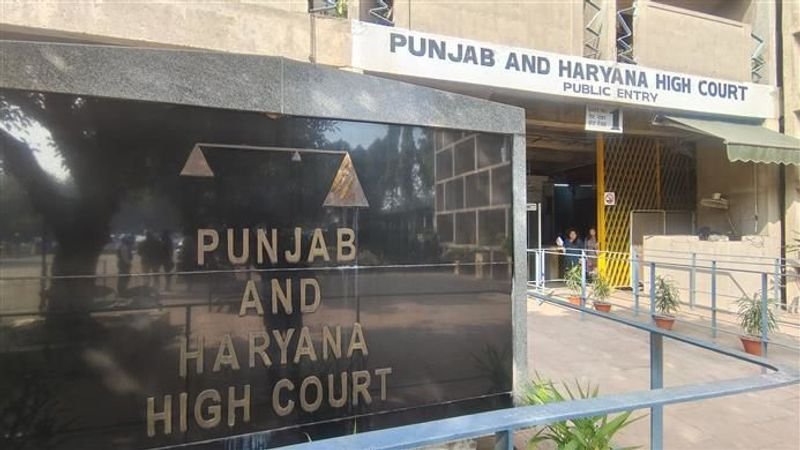
    Punjab & Haryana High Court Examines Absence of Separate Jail Facilities for Transgender Persons, Flags Institutional Gaps

    Anvita DwivediBy Anvita DwivediApril 7, 2026No Comments4 Mins Read
    WhatsApp Facebook Twitter Copy Link
    Share
    Facebook Twitter Pinterest Copy Link WhatsApp

    In a significant development highlighting the intersection of custodial rights, gender identity, and constitutional dignity, the Punjab & Haryana High Court has taken note of the absence of separate cells and facilities for transgender persons in jails and police lockups across Punjab, raising concerns over systemic gaps in protecting vulnerable communities within custodial settings.

    The matter arose from a Public Interest Litigation seeking directions for creation of separate wards, lockups, and toilets for transgender persons in prisons and police stations, along with mechanisms for gender identification and dedicated protection systems. In response to earlier directions issued by the High Court, the State of Punjab filed an affidavit acknowledging that no separate lockups currently exist for transgender persons in police stations.

    The State further informed the Court that field units have been directed to assess requirements and infrastructure needs, and based on such assessment, a proposal amounting to approximately ₹25.86 crore has been prepared for establishing gender-segregated facilities.

    This admission effectively confirms a structural vacuum in custodial infrastructure for transgender individuals. The petition underscores that transgender persons recognized as a distinct gender category by the Supreme Court in National Legal Services Authority v. Union of India are entitled to full constitutional protection, including Article 14 – Equality before law, Article 15 – Protection against discrimination and Article 21 – Right to life with dignity

    The absence of separate facilities, it is argued, exposes transgender persons in custody to heightened risks of harassment, violence, and indignity, thereby violating these guarantees. The High Court’s inquiry is not limited to infrastructure alone. It also extends to mechanisms for accurate identification of gender at the time of custody, creation of transgender protection cells at district and state levels and ensuring safe and non-discriminatory detention conditions.

    Such concerns reflect an evolving judicial recognition that custodial environments must be inclusive and rights-compliant, particularly for marginalised communities. The issue is not isolated to Punjab. Judicial and policy discourse across India has repeatedly flagged the lack of dedicated facilities for transgender persons in prisons and police stations.

    Courts have previously noted that housing transgender persons with male inmates can expose them to sexual violence and mental trauma, necessitating structural reforms. Further, advisory frameworks and judicial interventions have emphasised the need for separate cells, sanitation facilities, and privacy protections in custodial settings.

    The present case, therefore, fits into a larger constitutional movement towards institutional recognition of transgender rights beyond formal legal identity. While the recognition of transgender identity has been firmly established in constitutional jurisprudence, the present proceedings highlight a crucial gap implementation at the ground level.

    The High Court’s ongoing scrutiny signals that recognition of rights must translate into tangible institutional safeguards, custodial systems must evolve from binary frameworks to inclusive models. State inaction in such contexts may amount to constitutional non-compliance. The State’s proposal of ₹25.86 crore for establishing separate facilities indicates policy acknowledgment of the issue, yet also reflects that no immediate infrastructure exists implementation and remains prospective rather than operational

    This raises questions about delay in compliance with existing constitutional mandates, especially in light of the passage of the Transgender Persons (Protection of Rights) Act, 2019. The case brings into sharp focus a fundamental principle that the Supreme Court has consistently held that prisoners do not shed their fundamental rights at the prison gate. Extending this logic, the High Court’s intervention emphasizes that transgender persons in custody are entitled to dignity, safety, and equality in treatment.

    The proceedings before the Punjab & Haryana High Court represent a critical step in bridging the gap between formal recognition of transgender rights and their lived realities within State institutions. As the matter progresses, it may pave the way for nationwide standards on custodial treatment of transgender persons, reinforcing a vital constitutional message that dignity is not conditional it must be preserved, even behind prison walls.


    Flags Institutional Gaps Punjab & Haryana High Court Examines Absence of Separate Jail Facilities for Transgender Persons
    Share. WhatsApp Facebook Twitter Pinterest Email
    Anvita Dwivedi

    Related Posts

    Free Speech or Incitement? Calcutta High Court Plea Against Suvendu Adhikari Rekindles Debate on Political Speech Limits

    April 16, 2026

    Fair Reporting or Media Trial? Sikkim High Court Draws Constitutional Line on Press Freedom

    April 15, 2026

    Retirement Before Removal: Justice Shekhar Yadav’s Exit Exposes Structural Gaps in Judicial Accountability

    April 15, 2026
    Add A Comment
    Leave A Reply Cancel Reply

    Demo
    Top Posts

    Wrongful Claim Rejection Amounts to Deficiency in Service: Delhi Consumer Commission Holds Star Health Liable

    March 16, 202655 Views

    Bombay High Court Quashes POCSO Case, Directs Accused to Fund MacBook for Victim’s Education

    February 28, 202648 Views

    Siyahat Meri Syahi Se: A Journey That Transforms Travel into Thought and Entrepreneurship

    March 18, 202636 Views

    Welfare or Electoral Strategy? Supreme Court’s Sharp Take on Pre-Poll Cash Schemes

    February 20, 202624 Views
    Don't Miss

    Dowry Law and Victim Protection: Supreme Court Clarifies Immunity for Wife and Her Family

    By Anvita DwivediApril 17, 2026

    In a significant clarification of dowry law jurisprudence, the Supreme Court has held that a…

    Women’s Reservation Law Notified: Reform Realised or Deferred Constitutional Promise?

    April 17, 2026

    Supreme Court Notice on Muslim Personal Law: Reopening the Constitutional Debate on Gender Equality and Faith

    April 16, 2026

    Free Speech or Incitement? Calcutta High Court Plea Against Suvendu Adhikari Rekindles Debate on Political Speech Limits

    April 16, 2026
    Stay In Touch
    • Facebook
    • Twitter

    Subscribe to Updates

    Get the latest creative news from SmartMag about art & design.

    Top Posts

    Wrongful Claim Rejection Amounts to Deficiency in Service: Delhi Consumer Commission Holds Star Health Liable

    March 16, 202655 Views

    Bombay High Court Quashes POCSO Case, Directs Accused to Fund MacBook for Victim’s Education

    February 28, 202648 Views

    Siyahat Meri Syahi Se: A Journey That Transforms Travel into Thought and Entrepreneurship

    March 18, 202636 Views
    Don't Miss

    Dowry Law and Victim Protection: Supreme Court Clarifies Immunity for Wife and Her Family

    By Anvita DwivediApril 17, 2026

    In a significant clarification of dowry law jurisprudence, the Supreme Court has held that a…

    Women’s Reservation Law Notified: Reform Realised or Deferred Constitutional Promise?

    April 17, 2026

    Supreme Court Notice on Muslim Personal Law: Reopening the Constitutional Debate on Gender Equality and Faith

    April 16, 2026

    Free Speech or Incitement? Calcutta High Court Plea Against Suvendu Adhikari Rekindles Debate on Political Speech Limits

    April 16, 2026
    Stay In Touch
    • Facebook
    • YouTube
    • TikTok
    • Instagram
    Top Trending
    About Us
    About Us

    LawFiles.in is a comprehensive legal news platform delivering real-time updates from the Supreme Court, High Courts, Tribunals, Corporate and Tax law, Regulators, Politics, Crime, Consumer cases, and Global Affairs.

    Email Us: lawfilesoffical@gmail.com
    Contact: +91 8800026066

    Contact Us:
    India International Centre
    40, Max Mueller Marg
    Lodhi Estate, New Delhi-110003

    Facebook X (Twitter)
    Our Picks

    Dowry Law and Victim Protection: Supreme Court Clarifies Immunity for Wife and Her Family

    April 17, 2026

    Women’s Reservation Law Notified: Reform Realised or Deferred Constitutional Promise?

    April 17, 2026

    Supreme Court Notice on Muslim Personal Law: Reopening the Constitutional Debate on Gender Equality and Faith

    April 16, 2026

    Free Speech or Incitement? Calcutta High Court Plea Against Suvendu Adhikari Rekindles Debate on Political Speech Limits

    April 16, 2026

    Seat vs Venue in Arbitration: Supreme Court Reaffirms Jurisdictional Clarity in a Fragmented Jurisprudence

    April 16, 2026
    Most Popular

    ED Can Arrest Even If FIRs Are Added to ECIR Later: Punjab & Haryana High Court

    January 30, 20260 Views

    Non-Disclosure Of QCBS Criteria In Tender Alone Not Enough To Allege Malafides: Gauhati High Court

    January 31, 20260 Views

    Anticipatory Bail For Proclaimed Offenders: Evolution Of Law

    January 31, 20260 Views

    January 2026 Monthly Digest: Important Rulings of the Jammu & Kashmir and Ladakh High Court

    February 2, 20260 Views

    Custodial Death and State Liability : A Critical Analysis of the Allahabad High Court’s ₹10 Lakh Compensation Judgment

    February 22, 20260 Views
    © 2026 LawFiles. Owned by Varta24 Media.
    • Articles
    • Careers
    • Corporate
    • Global Affairs
    • Law Firms & Lawyers
    • PILS
    • Regulatory

    Type above and press Enter to search. Press Esc to cancel.