


New Delhi, 26 February 2026: The Lok Sabha Speaker, Om Birla, has reconstituted the three-member parliamentary inquiry committee tasked with examining the allegations of corruption and misconduct against Justice Yashwant Varma, currently a judge of the Allahabad High Court. This move comes in light of the upcoming retirement of one of the committee’s original members and ensures continuity in the ongoing probe under the Judges (Inquiry) Act, 1968.
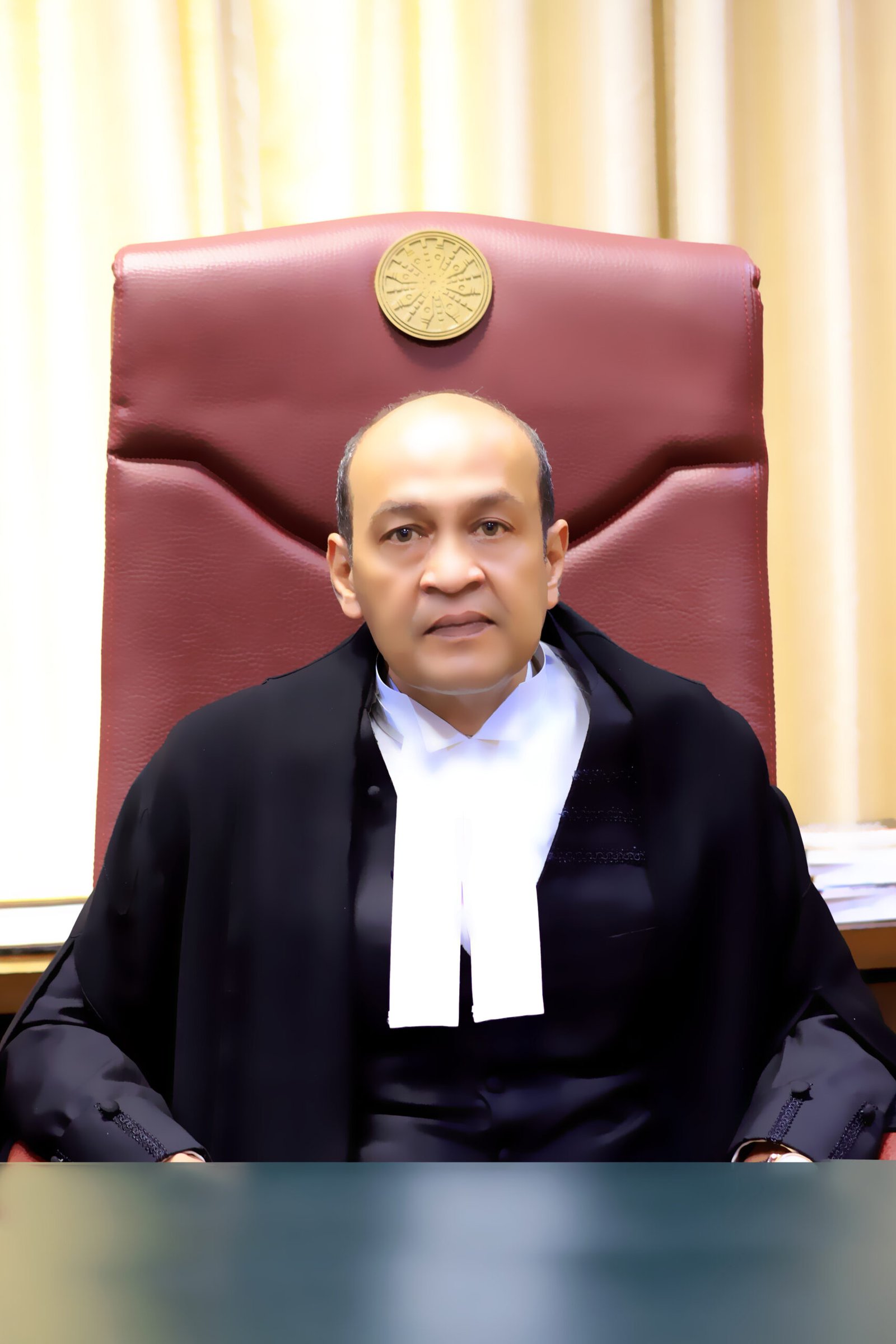
According to an official notification issued by the Lok Sabha Secretariat, the inquiry committee will be reshaped with effect from 6 March 2026. Justice Shree Chandrashekhar, Chief Justice of the Bombay High Court, has been inducted into the panel, replacing Chief Justice Manindra Mohan Shrivastava of the Madras High Court, who is set to retire on 5 March.
The committee’s chairperson remains Justice Aravind Kumar, a sitting judge of the Supreme Court of India, and Senior Advocate B.V. Acharya continues as the third member. This core leadership retains institutional continuity as the panel proceeds with its mandate.
The inquiry panel was originally constituted in August 2025 after a motion calling for Justice Varma’s removal was admitted in the Lok Sabha following the discovery of a large quantity of burnt and unaccounted currency notes at the outhouse of his official residence in Delhi during a firefighting operation on 14 March 2025.
The fire incident triggered extensive public scrutiny and led the former Chief Justice of India Sanjiv Khanna to initiate an in-house inquiry into the matter. That internal committee reportedly found prima facie evidence of misconduct, and despite advice from the then CJI to resign, Justice Varma declined, prompting the referral of the matter to the President of India and the Prime Minister for initiating a formal removal process.
Under Section 3 of the Judges (Inquiry) Act, 1968, a parliamentary committee is appointed when a notice signed by a requisite number of Members of Parliament moves for the impeachment of a judge on grounds of proved misbehaviour or incapacity. The Lok Sabha Speaker’s reconstitution of this committee ensures that the inquiry proceeds without interruption even as statutory retirements occur.
Earlier challenges to the legal validity of the parliamentary panel by Justice Varma in the Supreme Court were dismissed, with the apex court holding that the panel’s constitution was in accordance with law. Justice Varma has also contested aspects of the in-house inquiry findings.
The reconstituted committee will continue its deliberations on the evidence and circumstances underlying the impeachment motion against Justice Varma. Its findings may ultimately inform parliamentary debate on whether to recommend removal a process requiring a two-thirds majority of members present and voting in both Houses of Parliament.
This development underscores the functioning of constitutional mechanisms for judicial accountability in India balancing the independence of the judiciary with parliamentary oversight when serious allegations arise concerning a sitting judge.
