


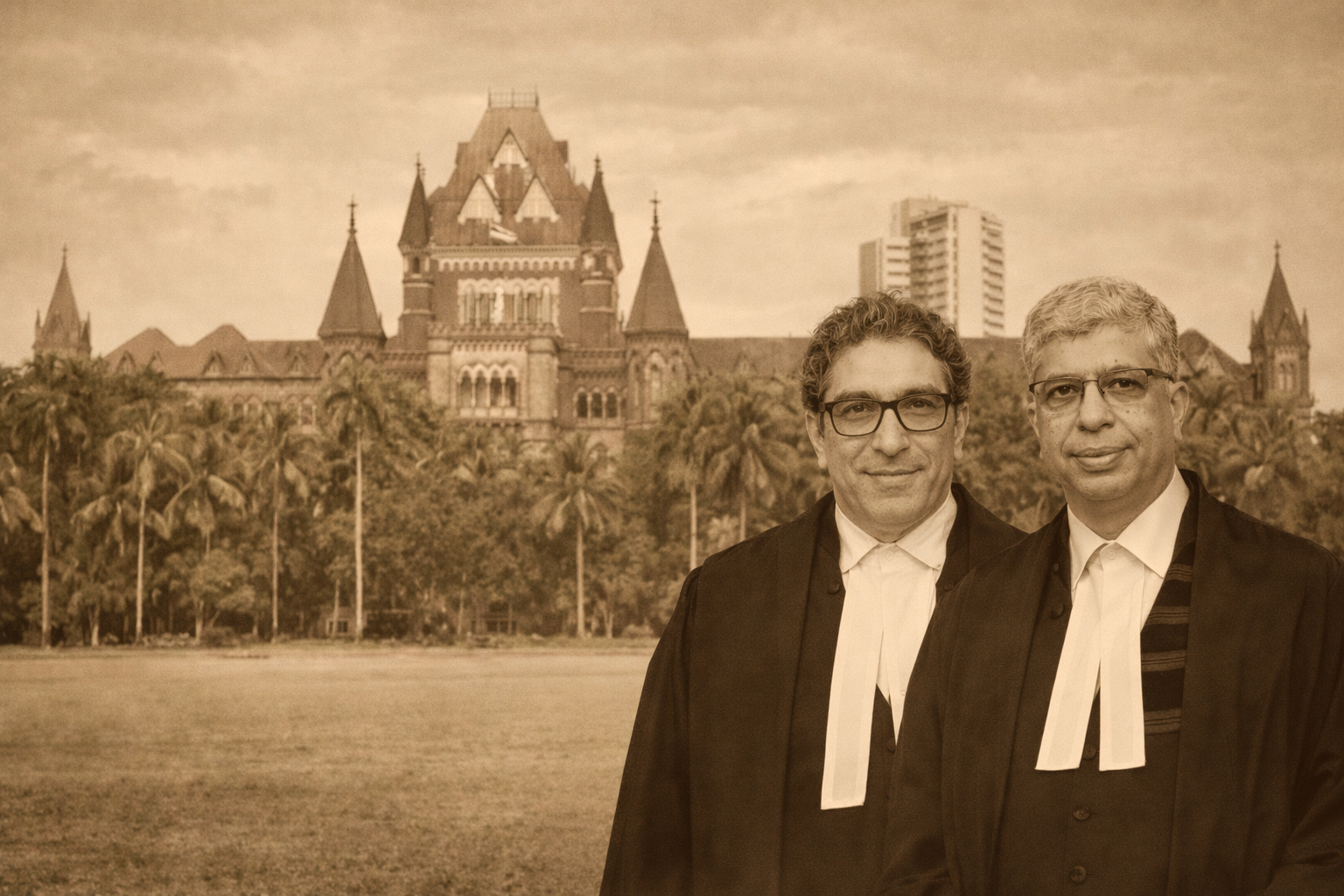
Mumbai, 5 March 2026: The Bombay High Court has declined to grant permission to taxi, autorickshaw and app-based cab drivers seeking to offer namaz near the Chhatrapati Shivaji Maharaj International Airport in Mumbai, holding that security considerations at a high-sensitivity zone such as an airport must take precedence over religious accommodation.
The order came while the court was hearing a petition filed by the Taxi-Rickshaw Ola-Uber Men’s Union, which sought restoration of a prayer space or the creation of a temporary shed near the airport premises so that Muslim drivers and passengers could perform prayers during the holy month of Ramadan.
The dispute traces back to April 2025, when authorities demolished a makeshift prayer shed located near the airport area that had been used for years by drivers waiting for passengers. Following the demolition, several drivers claimed they were left without a nearby place to offer prayers during working hours.
The union argued before the court that a large number of taxi, autorickshaw and app-cab drivers operate in and around the airport zone and often spend extended hours waiting for passengers, making it difficult to travel far to perform daily prayers. The petition therefore sought either restoration of the earlier structure or allocation of an alternative prayer space nearby.
A division bench of Justices B.P. Colabawalla and Firdosh Poonawalla ultimately refused to grant relief after considering submissions from the state authorities and airport operators.
The court observed that airport premises and surrounding areas constitute highly sensitive security zones, where large congregations or temporary structures could potentially create safety concerns. It therefore held that security cannot be compromised, irrespective of the religious nature of the request.
Authorities also informed the court that the airport area regularly witnesses VIP movement and high passenger traffic, making it necessary to strictly regulate any public gathering. The state further submitted that mosques and other prayer facilities exist in the surrounding areas, which could be used by those wishing to offer namaz.
Before rejecting the plea, the High Court had earlier asked the Mumbai Metropolitan Region Development Authority (MMRDA) and other authorities to examine whether a temporary prayer space could be provided on humanitarian grounds during Ramadan.
However, after reviewing the security assessment and submissions of the authorities, the court concluded that granting permission near the airport was not feasible.
The case highlights the ongoing legal tension between freedom of religion under Article 25 of the Constitution of India and public order and security considerations. While Article 25 guarantees individuals the freedom to profess and practice religion, courts have consistently held that the right is not absolute and remains subject to public order, morality and health.
In this instance, the High Court emphasised that critical infrastructure such as airports demands heightened security, and the State is entitled to impose restrictions where necessary to maintain safety and operational integrity.
Legal observers note that the decision reflects a cautious judicial approach in matters involving religious practice in sensitive public spaces. Rather than denying the religious right itself, the court effectively ruled that the specific location sought by the petitioners could not be permitted due to security concerns.
The ruling also signals that administrative authorities must balance religious accommodation with infrastructure security, particularly in areas like airports, railway stations, and other strategic public facilities.
