

Close Menu
LawFilesLawFiles

    Subscribe to Updates

    Get the latest creative news from FooBar about art, design and business.

    What's Hot

    Supreme Court Declines To Extend Pawan Khera’s Transit Anticipatory Bail: Reasserting Jurisdictional Discipline in Bail Law

    April 17, 2026

    Dowry Law and Victim Protection: Supreme Court Clarifies Immunity for Wife and Her Family

    April 17, 2026

    Women’s Reservation Law Notified: Reform Realised or Deferred Constitutional Promise?

    April 17, 2026
    Facebook X (Twitter) Instagram Threads
    Friday, April 17
    LawFilesLawFiles
    Facebook X (Twitter)
    • Home
      • Who We Are
      • Our Mission
      • Advisory board
      • Contact US
    • Supreme Court
    • High Courts
      • Gujarat High Court
      • Jharkhand High Court
      • Rajasthan High Court
      • Karnataka High Court
      • Andhra Pradesh High Court
      • Allahabad High Court
      • Himachal Pradesh High Court
      • Chhattisgarh High Court
      • Jammu & Kashmir and Ladakh High Court
      • Kerala High Court
      • Punjab and Haryana High Court
      • Patna High Court
      • Madhya Pradesh High Court
      • Madras High Court
      • Bombay High Court
      • Orissa High Court
      • Calcutta High Court
      • Meghalaya High Court
      • Delhi High Court
      • Manipur High Court
      • Gauhati High Court
    • Corporate
    • Taxation Laws
      • Income Tax
      • GST
      • Customs & Excise
    • Global Affairs
    • Articles
      • Former Judge’s’ Views
      • Senior Advocate
      • Policy Analysis
      • Tax Expert
    • PILS
      • Free/Affordable Legal Aid
      • PIL Cell
      • Law student Volunteer Cell (research & Drafting)
      • NGO & Legal services Authority Tie-ups
      • Online Legal Formats
      • Online Legal Help Form
    Subscribe Premium
    LawFilesLawFiles
    Home»Articles»Supreme Court Seeks Status Report on Implementation of Shariat Act Rules Across States and UTs
    Articles

    Supreme Court Seeks Status Report on Implementation of Shariat Act Rules Across States and UTs

    Anvita DwivediBy Anvita DwivediFebruary 27, 2026No Comments3 Mins Read
    WhatsApp Facebook Twitter Copy Link
    Share
    Facebook Twitter Pinterest Copy Link WhatsApp

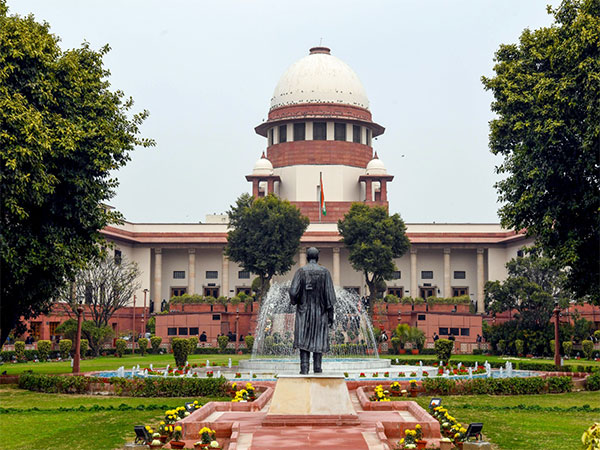
    New Delhi, February 27, 2026: The Supreme Court of India has raised serious procedural questions about the nationwide enforcement of the Muslim Personal Law (Shariat) Application Act, 1937 (“Shariat Act”), directing all States and Union Territories (UTs) to file a consolidated report outlining the status of rules framed under the statute.

    A Bench comprising Justice Sanjay Karol and Justice Augustine George Masih expressed concern that several States/UTs have not framed the requisite rules under Section 4 of the 1937 Act, effectively leaving the law inoperative in crucial aspects for Muslim citizens seeking its protections.

    Under the Shariat Act, a Muslim individual has the statutory option to elect to be governed by Muslim personal law in matters such as marriage, maintenance, inheritance, guardianship and succession. Section 3 empowers a Muslim to make such a declaration before a prescribed authority. However, Section 4 places a specific duty on State Governments to promulgate rules that designate the authority and procedural mechanism for accepting these declarations. Without these rules, the statutory pathway remains practically inaccessible.

    This legal design means that, on paper, the right exists but in practice, its exercise depends entirely on procedural infrastructure that many States have failed to provide.

    The Supreme Court took note of submissions in a pending civil appeal that the absence of Section 4 rules has created a statutory vacuum, raising constitutional and procedural questions. One of the primary contentions in the case Smt. Gohar Sultan v. Sheikh Anis Ahmad & Anr. is that a deceased Muslim woman could not file a Section 3 declaration simply because the State Government (here, Uttar Pradesh) never framed the rules enabling such a filing. As a result, her estate was subjected to the secular Indian Succession Act, 1925, rather than Muslim personal law.

    The Bench noted that until States and UTs frame rules under Section 4, the mechanism for citizens to avail themselves of the Shariat Act will remain theoretical rather than operational.

    The Supreme Court issued directions to the standing counsel for all States and UTs to collect and confirm the factual position on rule-making under the Shariat Act. The information is to be submitted to Additional Solicitor General Archana Pathak Dave, who will compile a comprehensive status report for the Court ahead of the next hearing, scheduled for March 18, 2026.

    This judicial demand places the responsibility on both the States and the central legal machinery to clarify whether they have complied with a nearly 90-year old law and if not, to explain why procedural rules have not been promulgated despite clear statutory obligations.

    The Supreme Court’s intervention underscores a recurring theme in Indian jurisprudence: the gap between law on the books and law in action. A statute that remains dormant due to lack of executive action effectively denies citizens their legal rights  especially where personal laws intersect with statutory law.

    For Muslim citizens who wish to opt into the Shariat Act regime, the absence of rules means that their personal law rights are instead governed by general secular statutes like the Indian Succession Act, which may impose more stringent requirements. This incongruity raises questions about equal access to personal law regimes and uniformity in legal frameworks across jurisdictions.

    By seeking empirical data and rule-making timelines, the Supreme Court appears poised to consider whether the absence of rules itself amounts to a denial of statutory rights, potentially attracting constitutional scrutiny under Articles 14 and 21 of the Constitution.


    1937 Muslim Personal Law (Shariat) Application Act Supreme Court Seeks Status Report on Implementation of Shariat Act Rules
    Share. WhatsApp Facebook Twitter Pinterest Email
    Anvita Dwivedi

    Related Posts

    Supreme Court Declines To Extend Pawan Khera’s Transit Anticipatory Bail: Reasserting Jurisdictional Discipline in Bail Law

    April 17, 2026

    Dowry Law and Victim Protection: Supreme Court Clarifies Immunity for Wife and Her Family

    April 17, 2026

    Women’s Reservation Law Notified: Reform Realised or Deferred Constitutional Promise?

    April 17, 2026
    Add A Comment
    Leave A Reply Cancel Reply

    Demo
    Top Posts

    Wrongful Claim Rejection Amounts to Deficiency in Service: Delhi Consumer Commission Holds Star Health Liable

    March 16, 202655 Views

    Bombay High Court Quashes POCSO Case, Directs Accused to Fund MacBook for Victim’s Education

    February 28, 202648 Views

    Siyahat Meri Syahi Se: A Journey That Transforms Travel into Thought and Entrepreneurship

    March 18, 202636 Views

    Welfare or Electoral Strategy? Supreme Court’s Sharp Take on Pre-Poll Cash Schemes

    February 20, 202624 Views
    Don't Miss

    Supreme Court Declines To Extend Pawan Khera’s Transit Anticipatory Bail: Reasserting Jurisdictional Discipline in Bail Law

    By Anvita DwivediApril 17, 2026

    In a fresh setback to Congress leader Pawan Khera, the Supreme Court has declined to…

    Dowry Law and Victim Protection: Supreme Court Clarifies Immunity for Wife and Her Family

    April 17, 2026

    Women’s Reservation Law Notified: Reform Realised or Deferred Constitutional Promise?

    April 17, 2026

    Supreme Court Notice on Muslim Personal Law: Reopening the Constitutional Debate on Gender Equality and Faith

    April 16, 2026
    Stay In Touch
    • Facebook
    • Twitter

    Subscribe to Updates

    Get the latest creative news from SmartMag about art & design.

    Top Posts

    Wrongful Claim Rejection Amounts to Deficiency in Service: Delhi Consumer Commission Holds Star Health Liable

    March 16, 202655 Views

    Bombay High Court Quashes POCSO Case, Directs Accused to Fund MacBook for Victim’s Education

    February 28, 202648 Views

    Siyahat Meri Syahi Se: A Journey That Transforms Travel into Thought and Entrepreneurship

    March 18, 202636 Views
    Don't Miss

    Supreme Court Declines To Extend Pawan Khera’s Transit Anticipatory Bail: Reasserting Jurisdictional Discipline in Bail Law

    By Anvita DwivediApril 17, 2026

    In a fresh setback to Congress leader Pawan Khera, the Supreme Court has declined to…

    Dowry Law and Victim Protection: Supreme Court Clarifies Immunity for Wife and Her Family

    April 17, 2026

    Women’s Reservation Law Notified: Reform Realised or Deferred Constitutional Promise?

    April 17, 2026

    Supreme Court Notice on Muslim Personal Law: Reopening the Constitutional Debate on Gender Equality and Faith

    April 16, 2026
    Stay In Touch
    • Facebook
    • YouTube
    • TikTok
    • Instagram
    Top Trending
    About Us
    About Us

    LawFiles.in is a comprehensive legal news platform delivering real-time updates from the Supreme Court, High Courts, Tribunals, Corporate and Tax law, Regulators, Politics, Crime, Consumer cases, and Global Affairs.

    Email Us: lawfilesoffical@gmail.com
    Contact: +91 8800026066

    Contact Us:
    India International Centre
    40, Max Mueller Marg
    Lodhi Estate, New Delhi-110003

    Facebook X (Twitter)
    Our Picks

    Supreme Court Declines To Extend Pawan Khera’s Transit Anticipatory Bail: Reasserting Jurisdictional Discipline in Bail Law

    April 17, 2026

    Dowry Law and Victim Protection: Supreme Court Clarifies Immunity for Wife and Her Family

    April 17, 2026

    Women’s Reservation Law Notified: Reform Realised or Deferred Constitutional Promise?

    April 17, 2026

    Supreme Court Notice on Muslim Personal Law: Reopening the Constitutional Debate on Gender Equality and Faith

    April 16, 2026

    Free Speech or Incitement? Calcutta High Court Plea Against Suvendu Adhikari Rekindles Debate on Political Speech Limits

    April 16, 2026
    Most Popular

    ED Can Arrest Even If FIRs Are Added to ECIR Later: Punjab & Haryana High Court

    January 30, 20260 Views

    Non-Disclosure Of QCBS Criteria In Tender Alone Not Enough To Allege Malafides: Gauhati High Court

    January 31, 20260 Views

    Anticipatory Bail For Proclaimed Offenders: Evolution Of Law

    January 31, 20260 Views

    January 2026 Monthly Digest: Important Rulings of the Jammu & Kashmir and Ladakh High Court

    February 2, 20260 Views

    Custodial Death and State Liability : A Critical Analysis of the Allahabad High Court’s ₹10 Lakh Compensation Judgment

    February 22, 20260 Views
    © 2026 LawFiles. Owned by Varta24 Media.
    • Articles
    • Careers
    • Corporate
    • Global Affairs
    • Law Firms & Lawyers
    • PILS
    • Regulatory

    Type above and press Enter to search. Press Esc to cancel.