

Close Menu
LawFilesLawFiles

    Subscribe to Updates

    Get the latest creative news from FooBar about art, design and business.

    What's Hot

    Supreme Court Reaffirms Finality of CoC-Approved Resolution Plans: Why This Judgment Matters for Future Insolvency Professionals

    June 1, 2026

    Supreme Court Reaffirms Finality of CoC-Approved Resolution Plans: Why This Judgment Matters for Future Insolvency Professionals

    June 1, 2026

    NUSRL Ranchi Invites Submissions for “Kautilya’s Take” Policy Blog: A Valuable Opportunity for Law Students and Young Researchers

    June 1, 2026
    Facebook X (Twitter) Instagram Threads
    Monday, June 1
    LawFilesLawFiles
    Facebook X (Twitter)
    • Home
      • Who We Are
      • Our Mission
      • Advisory board
      • Contact US
    • Supreme Court
    • High Courts
      • Gujarat High Court
      • Jharkhand High Court
      • Rajasthan High Court
      • Karnataka High Court
      • Andhra Pradesh High Court
      • Allahabad High Court
      • Himachal Pradesh High Court
      • Chhattisgarh High Court
      • Jammu & Kashmir and Ladakh High Court
      • Kerala High Court
      • Punjab and Haryana High Court
      • Patna High Court
      • Madhya Pradesh High Court
      • Madras High Court
      • Bombay High Court
      • Orissa High Court
      • Calcutta High Court
      • Meghalaya High Court
      • Delhi High Court
      • Manipur High Court
      • Gauhati High Court
    • Corporate
    • Taxation Laws
      • Income Tax
      • GST
      • Customs & Excise
    • Global Affairs
    • Articles
      • Sitting Judge’s’ Views
      • Senior Advocate
      • Policy Analysis
      • Tax Expert
    • PILS
      • Free/Affordable Legal Aid
      • PIL Cell
      • Law student Volunteer Cell (research & Drafting)
      • NGO & Legal services Authority Tie-ups
      • Online Legal Formats
      • Online Legal Help Form
    Subscribe Premium
    LawFilesLawFiles
    Home»Corporate»Supreme Court’s Refusal To Interfere In Cobrapost-Anil Ambani Defamation Dispute Signals Judicial Caution Against Procedural Forum-Shifting
    Corporate

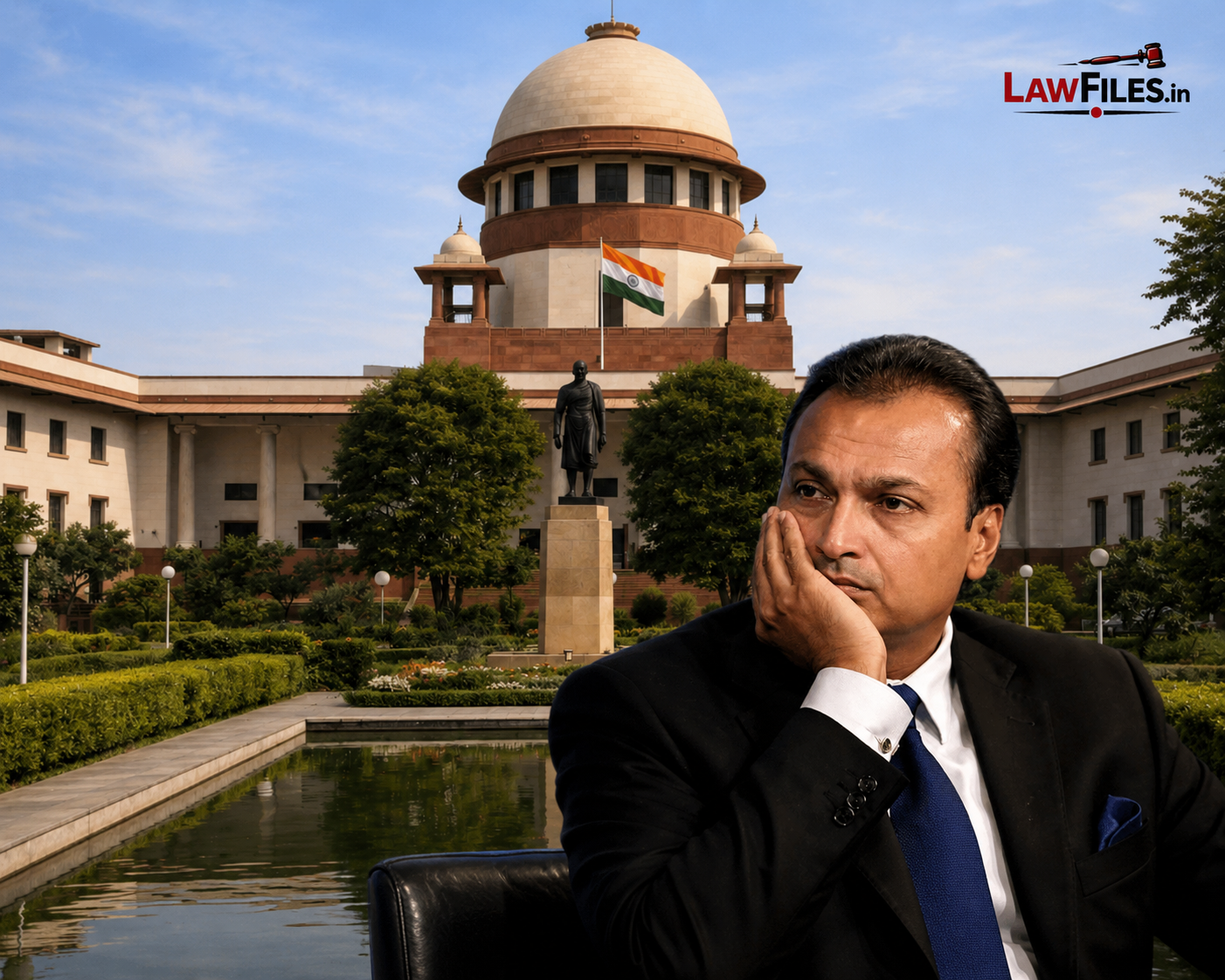
    Supreme Court’s Refusal To Interfere In Cobrapost-Anil Ambani Defamation Dispute Signals Judicial Caution Against Procedural Forum-Shifting

    Anvita DwivediBy Anvita DwivediMay 30, 2026No Comments6 Mins Read
    WhatsApp Facebook Twitter Copy Link
    Share
    Facebook Twitter Pinterest Copy Link WhatsApp

    The Supreme Court’s recent refusal to entertain a plea filed by investigative news portal Cobrapost against a trial court order permitting industrialist Anil Ambani to withdraw his defamation suit with liberty to institute a fresh proceeding has once again brought into focus the uneasy intersection between reputation, media freedom, and procedural strategy in defamation litigation. The controversy stems from reports published by Cobrapost and other media organizations alleging that companies linked to Ambani were involved in financial irregularities amounting to over ₹41,000 crore allegations that Ambani has consistently disputed as false, malicious and defamatory.

    The litigation history itself is significant. Ambani had originally approached a Delhi trial court seeking injunctive relief against Cobrapost, The Economic Times and other media entities. He sought urgent judicial intervention to restrain further dissemination of reports which, according to him, caused grave reputational harm. However, the trial court declined to grant ex parte interim relief, holding that media organisations could not be restrained without first being heard. The court observed that determining whether the publications were inaccurate, malicious or irresponsible required adjudication after hearing all parties and that premature interference could trench upon constitutional protections available to the press under Article 19(1)(a) of the Constitution.

    Following the refusal of interim protection, Ambani withdrew the suit in December 2025. The Delhi court permitted withdrawal while granting liberty to file a fresh suit on the same cause of action. It is this aspect of the order that triggered resistance from Cobrapost. The media portal argued that allowing a plaintiff to withdraw proceedings after suffering an adverse order on interim relief and then permitting a fresh suit could potentially undermine procedural finality and encourage strategic litigation tactics. The challenge eventually reached higher judicial forums, culminating in the Supreme Court’s decision not to entertain Cobrapost’s plea.

    Although the Supreme Court has not entered into the substantive merits of the dispute, the refusal to interfere is legally noteworthy. The Court appears to have adopted its traditional restraint in matters involving discretionary procedural orders passed by subordinate courts. Appellate intervention is ordinarily reserved for jurisdictional errors, manifest perversity or grave miscarriage of justice. Orders allowing withdrawal of suits with liberty to file afresh are generally treated as procedural determinations governed by the Civil Procedure Code, particularly Order XXIII Rule 1. Consequently, unless the discretion exercised by the trial court is demonstrably arbitrary, superior courts are often reluctant to substitute their own view. The Supreme Court’s stance is therefore consistent with its broader jurisprudence favouring limited interference in interlocutory procedural disputes.

    At a deeper level, however, the case raises a significant question regarding the strategic use of defamation law by powerful corporate actors. Modern defamation litigation increasingly functions not merely as a mechanism for vindicating reputation but also as a tool capable of imposing substantial financial and procedural burdens on media organisations. Around the world, legal scholars have characterised certain categories of such litigation as “SLAPP” actions Strategic Lawsuits Against Public Participation where the litigation process itself becomes punitive irrespective of eventual success. Indian courts have not formally adopted an anti-SLAPP framework, yet judicial sensitivity towards press freedom has become increasingly visible in recent years.

    The Delhi trial court’s earlier refusal to issue an ex parte injunction reflected precisely this constitutional concern. Prior restraints on publication have historically been viewed with suspicion because they prevent speech before a judicial determination of falsity. The court’s observation that directing removal of content without hearing the defendants could amount to an unwarranted intrusion into freedom of expression demonstrates the judiciary’s awareness of the chilling effect that sweeping interim orders can have on investigative journalism.

    From the perspective of media law, Cobrapost’s challenge was not entirely without force. The portal’s apprehension appears to stem from the possibility that a litigant dissatisfied with the trajectory of one proceeding may withdraw and re-litigate in a manner that effectively neutralises unfavourable interim observations. Such concerns relate to the doctrine of abuse of process, which seeks to prevent repetitive or strategically manipulated litigation. Yet the countervailing argument is equally important: litigants must retain the procedural freedom to rectify defects in pleadings, restructure causes of action or pursue remedies through a more legally sustainable framework where genuine grounds exist. Balancing these competing considerations remains one of the most delicate functions of civil procedure.

    Another notable dimension is the broader context surrounding the allegations themselves. Reports concerning alleged financial irregularities involving Reliance Group entities emerged amid ongoing scrutiny of corporate governance and banking-related disputes involving companies associated with Ambani. While the truth or falsity of the allegations remains legally untested in the defamation proceedings, the controversy demonstrates how corporate reputation battles increasingly unfold simultaneously in courtrooms, media platforms and public discourse.

    The Delhi High Court has separately issued notice on Cobrapost’s challenge to the trial court order allowing withdrawal of the suit, indicating that the procedural questions surrounding the litigation have not entirely concluded. The High Court’s eventual determination may provide greater clarity regarding the circumstances in which withdrawal with liberty to file afresh ought to be permitted, particularly where substantive interim proceedings have already occurred.

    Ultimately, the Supreme Court’s refusal to entertain Cobrapost’s plea should not be read as an endorsement of either side’s substantive position. Rather, it reflects judicial caution against converting every procedural disagreement into a constitutional controversy. Yet the dispute remains important because it touches upon larger themes that increasingly define contemporary media law: the protection of reputation, the autonomy of investigative journalism, the limits of interim censorship, and the procedural safeguards necessary to prevent litigation from becoming an instrument of strategic pressure.

    As Indian courts continue to navigate high-profile defamation disputes involving influential public figures and media organisations, the evolving jurisprudence will likely determine whether the legal system can preserve both constitutional speech protections and legitimate reputational interests without allowing either value to eclipse the other. In that sense, the Cobrapost-Anil Ambani litigation is no longer merely a private dispute; it has become a test case in the continuing constitutional conversation about power, accountability and press freedom in India.

    Supreme Court’s Refusal To Interfere In Cobrapost-Anil Ambani Defamation Dispute Signals Judicial Caution Against Procedural Forum-Shifting
    Share. WhatsApp Facebook Twitter Pinterest Email
    Anvita Dwivedi

    Related Posts

    Supreme Court Reaffirms Finality of CoC-Approved Resolution Plans: Why This Judgment Matters for Future Insolvency Professionals

    June 1, 2026

    Supreme Court Reaffirms Finality of CoC-Approved Resolution Plans: Why This Judgment Matters for Future Insolvency Professionals

    June 1, 2026

    NUSRL Ranchi Invites Submissions for “Kautilya’s Take” Policy Blog: A Valuable Opportunity for Law Students and Young Researchers

    June 1, 2026
    Add A Comment
    Leave A Reply Cancel Reply

    Demo
    Top Posts

    Wrongful Claim Rejection Amounts to Deficiency in Service: Delhi Consumer Commission Holds Star Health Liable

    March 16, 202667 Views

    Bombay High Court Quashes POCSO Case, Directs Accused to Fund MacBook for Victim’s Education

    February 28, 202650 Views

    Siyahat Meri Syahi Se: A Journey That Transforms Travel into Thought and Entrepreneurship

    March 18, 202643 Views

    Banking Negligence and Consumer Accountability: Supreme Court Reinforces Duty of Care in Cheque Handling

    April 16, 202635 Views
    Don't Miss

    Supreme Court Reaffirms Finality of CoC-Approved Resolution Plans: Why This Judgment Matters for Future Insolvency Professionals

    By Anvita DwivediJune 1, 2026

    In a significant ruling under the Insolvency and Bankruptcy Code, 2016 (IBC), the Supreme Court…

    Supreme Court Reaffirms Finality of CoC-Approved Resolution Plans: Why This Judgment Matters for Future Insolvency Professionals

    June 1, 2026

    NUSRL Ranchi Invites Submissions for “Kautilya’s Take” Policy Blog: A Valuable Opportunity for Law Students and Young Researchers

    June 1, 2026

    Allahabad High Court’s Intervention in Conversion Plea Rekindles Debate on Religious Freedom, Administrative Power, and UP’s Anti-Conversion Law

    June 1, 2026
    Stay In Touch
    • Facebook
    • Twitter

    Subscribe to Updates

    Get the latest creative news from SmartMag about art & design.

    Top Posts

    Wrongful Claim Rejection Amounts to Deficiency in Service: Delhi Consumer Commission Holds Star Health Liable

    March 16, 202667 Views

    Bombay High Court Quashes POCSO Case, Directs Accused to Fund MacBook for Victim’s Education

    February 28, 202650 Views

    Siyahat Meri Syahi Se: A Journey That Transforms Travel into Thought and Entrepreneurship

    March 18, 202643 Views
    Don't Miss

    Supreme Court Reaffirms Finality of CoC-Approved Resolution Plans: Why This Judgment Matters for Future Insolvency Professionals

    By Anvita DwivediJune 1, 2026

    In a significant ruling under the Insolvency and Bankruptcy Code, 2016 (IBC), the Supreme Court…

    Supreme Court Reaffirms Finality of CoC-Approved Resolution Plans: Why This Judgment Matters for Future Insolvency Professionals

    June 1, 2026

    NUSRL Ranchi Invites Submissions for “Kautilya’s Take” Policy Blog: A Valuable Opportunity for Law Students and Young Researchers

    June 1, 2026

    Allahabad High Court’s Intervention in Conversion Plea Rekindles Debate on Religious Freedom, Administrative Power, and UP’s Anti-Conversion Law

    June 1, 2026
    Stay In Touch
    • Facebook
    • YouTube
    • TikTok
    • Instagram
    Top Trending
    About Us
    About Us

    LawFiles.in is a comprehensive legal news platform delivering real-time updates from the Supreme Court, High Courts, Tribunals, Corporate and Tax law, Regulators, Politics, Crime, Consumer cases, and Global Affairs.

    Email Us: lawfilesoffical@gmail.com
    Contact: +91 8800026066

    Contact Us:
    India International Centre
    40, Max Mueller Marg
    Lodhi Estate, New Delhi-110003

    Facebook X (Twitter)
    Our Picks

    Supreme Court Reaffirms Finality of CoC-Approved Resolution Plans: Why This Judgment Matters for Future Insolvency Professionals

    June 1, 2026

    Supreme Court Reaffirms Finality of CoC-Approved Resolution Plans: Why This Judgment Matters for Future Insolvency Professionals

    June 1, 2026

    NUSRL Ranchi Invites Submissions for “Kautilya’s Take” Policy Blog: A Valuable Opportunity for Law Students and Young Researchers

    June 1, 2026

    Allahabad High Court’s Intervention in Conversion Plea Rekindles Debate on Religious Freedom, Administrative Power, and UP’s Anti-Conversion Law

    June 1, 2026

    Supreme Court Rejects Demolition of Navi Mumbai Mall, Signals Shift from Punitive Urban Governance to Proportional Justice

    June 1, 2026
    Most Popular

    ED Can Arrest Even If FIRs Are Added to ECIR Later: Punjab & Haryana High Court

    January 30, 20260 Views

    Custodial Death and State Liability : A Critical Analysis of the Allahabad High Court’s ₹10 Lakh Compensation Judgment

    February 22, 20260 Views

    Gujarat High Court Commutes Death Sentence in Child Rape-Murder; Reinforces Capital Sentencing Standards in Light of MP High Court Precedent

    February 23, 20260 Views

    Delhi Family Court Rules Against Enforcement of Australian Property Orders in Shikhar Dhawan Matrimonial Dispute

    February 25, 20260 Views

    Supreme Court Stays Criminal Proceedings Against Jharkhand CM Hemant Soren Over Alleged ED Summons Defiance

    February 25, 20260 Views
    © 2026 LawFiles. Owned by Varta24 Media.
    • Articles
    • Careers
    • Corporate
    • Global Affairs
    • Law Firms & Lawyers
    • PILS
    • Regulatory

    Type above and press Enter to search. Press Esc to cancel.