

Close Menu
LawFilesLawFiles

    Subscribe to Updates

    Get the latest creative news from FooBar about art, design and business.

    What's Hot

    Dowry Law and Victim Protection: Supreme Court Clarifies Immunity for Wife and Her Family

    April 17, 2026

    Women’s Reservation Law Notified: Reform Realised or Deferred Constitutional Promise?

    April 17, 2026

    Supreme Court Notice on Muslim Personal Law: Reopening the Constitutional Debate on Gender Equality and Faith

    April 16, 2026
    Facebook X (Twitter) Instagram Threads
    Friday, April 17
    LawFilesLawFiles
    Facebook X (Twitter)
    • Home
      • Who We Are
      • Our Mission
      • Advisory board
      • Contact US
    • Supreme Court
    • High Courts
      • Gujarat High Court
      • Jharkhand High Court
      • Rajasthan High Court
      • Karnataka High Court
      • Andhra Pradesh High Court
      • Allahabad High Court
      • Himachal Pradesh High Court
      • Chhattisgarh High Court
      • Jammu & Kashmir and Ladakh High Court
      • Kerala High Court
      • Punjab and Haryana High Court
      • Patna High Court
      • Madhya Pradesh High Court
      • Madras High Court
      • Bombay High Court
      • Orissa High Court
      • Calcutta High Court
      • Meghalaya High Court
      • Delhi High Court
      • Manipur High Court
      • Gauhati High Court
    • Corporate
    • Taxation Laws
      • Income Tax
      • GST
      • Customs & Excise
    • Global Affairs
    • Articles
      • Former Judge’s’ Views
      • Senior Advocate
      • Policy Analysis
      • Tax Expert
    • PILS
      • Free/Affordable Legal Aid
      • PIL Cell
      • Law student Volunteer Cell (research & Drafting)
      • NGO & Legal services Authority Tie-ups
      • Online Legal Formats
      • Online Legal Help Form
    Subscribe Premium
    LawFilesLawFiles
    Home»Tribunals»India’s Tribunal Crisis: Supreme Court Questions Who Guards the Guardians
    Tribunals

    India’s Tribunal Crisis: Supreme Court Questions Who Guards the Guardians

    Hemalatha MahurBy Hemalatha MahurMarch 10, 2026No Comments3 Mins Read
    WhatsApp Facebook Twitter Copy Link
    Share
    Facebook Twitter Pinterest Copy Link WhatsApp

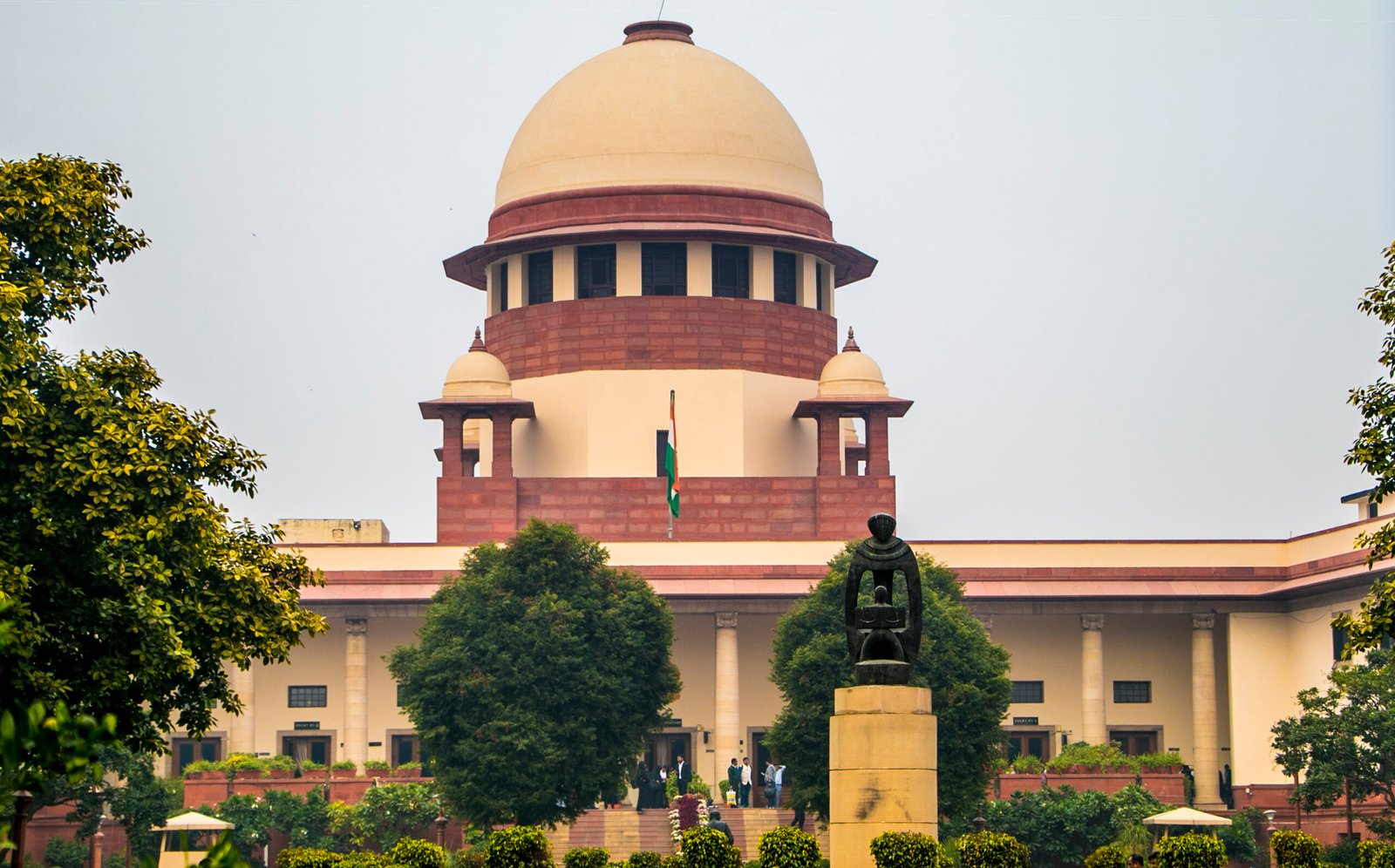
    India’s quasi-judicial framework came under intense scrutiny this week as the Supreme Court trained its lens on a troubling institutional blind spot — the near-complete absence of accountability mechanisms governing the heads and members of the country’s statutory tribunals. A bench comprising Chief Justice Surya Kant and Justice Joymalya Bagchi did not mince words while deliberating on petitions challenging provisions of the Tribunals Reforms Act, 2021, raising a question that strikes at the heart of judicial governance: if tribunal members answer neither to the government nor to the judiciary, who exactly are they answerable to?

    The Court’s discomfort was rooted in observable ground realities. Tribunal members, it noted, were continuing in their positions even when their performance fell well below acceptable standards — some allegedly incapable of independently authoring judgments or resolving cases within reasonable timeframes. Yet, no corrective mechanism existed to address such deficiencies. In the Court’s assessment, this represented a structural failure that the legal framework had so far failed to remedy.

    The constitutional tension underlying this issue is delicate. Placing tribunals squarely under governmental supervision risks turning them into instruments of executive convenience, undermining their independence as adjudicatory bodies. Conversely, bringing them fully within the judicial fold raises separation of powers concerns. This institutional no-man’s land, the bench observed, has allowed underperformance to fester without consequence — a situation untenable for bodies entrusted with dispensing justice to thousands of litigants.

    Compounding the structural concern is the practice of allowing administrative members — those without a judicial background — to preside over tribunals as acting heads. Critics and bar associations have long argued that this arrangement dilutes the judicial character that tribunals are constitutionally obligated to preserve. The bench acknowledged this concern as one requiring urgent legislative attention.

    Attorney General R. Venkataramani, representing the Union of India, sought to assure the Court that the government was not indifferent to these concerns. He disclosed that the Centre was actively working on revising the Tribunals Reforms Act, 2021 — a statute already under judicial challenge for allegedly falling short of the Supreme Court’s own binding guidelines, particularly on matters of minimum tenure and service conditions. He indicated that the proposed amendments would be finalized within approximately six months and committed that no sitting member would be asked to vacate their position upon completion of their current term in the interim, thereby preventing operational disruptions.

    The bench responded by directing petitioner bar associations — who have been vocal critics of the existing framework — to channel their institutional expertise productively by submitting concrete recommendations on how accountability of tribunal members could be effectively and constitutionally structured. The matter has been scheduled for review in May 2026, by which point the Court expects the government to demonstrate tangible legislative headway.

    At its core, this episode reflects a broader unresolved question in Indian administrative law: how does a democracy build expert judicial bodies that are simultaneously independent, accountable, and insulated from political influence? The answer, it appears, remains a work in progress.

    But Who Judges The Tribunals?
    Share. WhatsApp Facebook Twitter Pinterest Email
    Hemalatha Mahur

    Related Posts

    Dowry Law and Victim Protection: Supreme Court Clarifies Immunity for Wife and Her Family

    April 17, 2026

    Supreme Court Notice on Muslim Personal Law: Reopening the Constitutional Debate on Gender Equality and Faith

    April 16, 2026

    Seat vs Venue in Arbitration: Supreme Court Reaffirms Jurisdictional Clarity in a Fragmented Jurisprudence

    April 16, 2026
    Add A Comment
    Leave A Reply Cancel Reply

    Demo
    Top Posts

    Wrongful Claim Rejection Amounts to Deficiency in Service: Delhi Consumer Commission Holds Star Health Liable

    March 16, 202655 Views

    Bombay High Court Quashes POCSO Case, Directs Accused to Fund MacBook for Victim’s Education

    February 28, 202648 Views

    Siyahat Meri Syahi Se: A Journey That Transforms Travel into Thought and Entrepreneurship

    March 18, 202636 Views

    Welfare or Electoral Strategy? Supreme Court’s Sharp Take on Pre-Poll Cash Schemes

    February 20, 202624 Views
    Don't Miss

    Dowry Law and Victim Protection: Supreme Court Clarifies Immunity for Wife and Her Family

    By Anvita DwivediApril 17, 2026

    In a significant clarification of dowry law jurisprudence, the Supreme Court has held that a…

    Women’s Reservation Law Notified: Reform Realised or Deferred Constitutional Promise?

    April 17, 2026

    Supreme Court Notice on Muslim Personal Law: Reopening the Constitutional Debate on Gender Equality and Faith

    April 16, 2026

    Free Speech or Incitement? Calcutta High Court Plea Against Suvendu Adhikari Rekindles Debate on Political Speech Limits

    April 16, 2026
    Stay In Touch
    • Facebook
    • Twitter

    Subscribe to Updates

    Get the latest creative news from SmartMag about art & design.

    Top Posts

    Wrongful Claim Rejection Amounts to Deficiency in Service: Delhi Consumer Commission Holds Star Health Liable

    March 16, 202655 Views

    Bombay High Court Quashes POCSO Case, Directs Accused to Fund MacBook for Victim’s Education

    February 28, 202648 Views

    Siyahat Meri Syahi Se: A Journey That Transforms Travel into Thought and Entrepreneurship

    March 18, 202636 Views
    Don't Miss

    Dowry Law and Victim Protection: Supreme Court Clarifies Immunity for Wife and Her Family

    By Anvita DwivediApril 17, 2026

    In a significant clarification of dowry law jurisprudence, the Supreme Court has held that a…

    Women’s Reservation Law Notified: Reform Realised or Deferred Constitutional Promise?

    April 17, 2026

    Supreme Court Notice on Muslim Personal Law: Reopening the Constitutional Debate on Gender Equality and Faith

    April 16, 2026

    Free Speech or Incitement? Calcutta High Court Plea Against Suvendu Adhikari Rekindles Debate on Political Speech Limits

    April 16, 2026
    Stay In Touch
    • Facebook
    • YouTube
    • TikTok
    • Instagram
    Top Trending
    About Us
    About Us

    LawFiles.in is a comprehensive legal news platform delivering real-time updates from the Supreme Court, High Courts, Tribunals, Corporate and Tax law, Regulators, Politics, Crime, Consumer cases, and Global Affairs.

    Email Us: lawfilesoffical@gmail.com
    Contact: +91 8800026066

    Contact Us:
    India International Centre
    40, Max Mueller Marg
    Lodhi Estate, New Delhi-110003

    Facebook X (Twitter)
    Our Picks

    Dowry Law and Victim Protection: Supreme Court Clarifies Immunity for Wife and Her Family

    April 17, 2026

    Women’s Reservation Law Notified: Reform Realised or Deferred Constitutional Promise?

    April 17, 2026

    Supreme Court Notice on Muslim Personal Law: Reopening the Constitutional Debate on Gender Equality and Faith

    April 16, 2026

    Free Speech or Incitement? Calcutta High Court Plea Against Suvendu Adhikari Rekindles Debate on Political Speech Limits

    April 16, 2026

    Seat vs Venue in Arbitration: Supreme Court Reaffirms Jurisdictional Clarity in a Fragmented Jurisprudence

    April 16, 2026
    Most Popular

    ED Can Arrest Even If FIRs Are Added to ECIR Later: Punjab & Haryana High Court

    January 30, 20260 Views

    Non-Disclosure Of QCBS Criteria In Tender Alone Not Enough To Allege Malafides: Gauhati High Court

    January 31, 20260 Views

    Anticipatory Bail For Proclaimed Offenders: Evolution Of Law

    January 31, 20260 Views

    January 2026 Monthly Digest: Important Rulings of the Jammu & Kashmir and Ladakh High Court

    February 2, 20260 Views

    Custodial Death and State Liability : A Critical Analysis of the Allahabad High Court’s ₹10 Lakh Compensation Judgment

    February 22, 20260 Views
    © 2026 LawFiles. Owned by Varta24 Media.
    • Articles
    • Careers
    • Corporate
    • Global Affairs
    • Law Firms & Lawyers
    • PILS
    • Regulatory

    Type above and press Enter to search. Press Esc to cancel.