


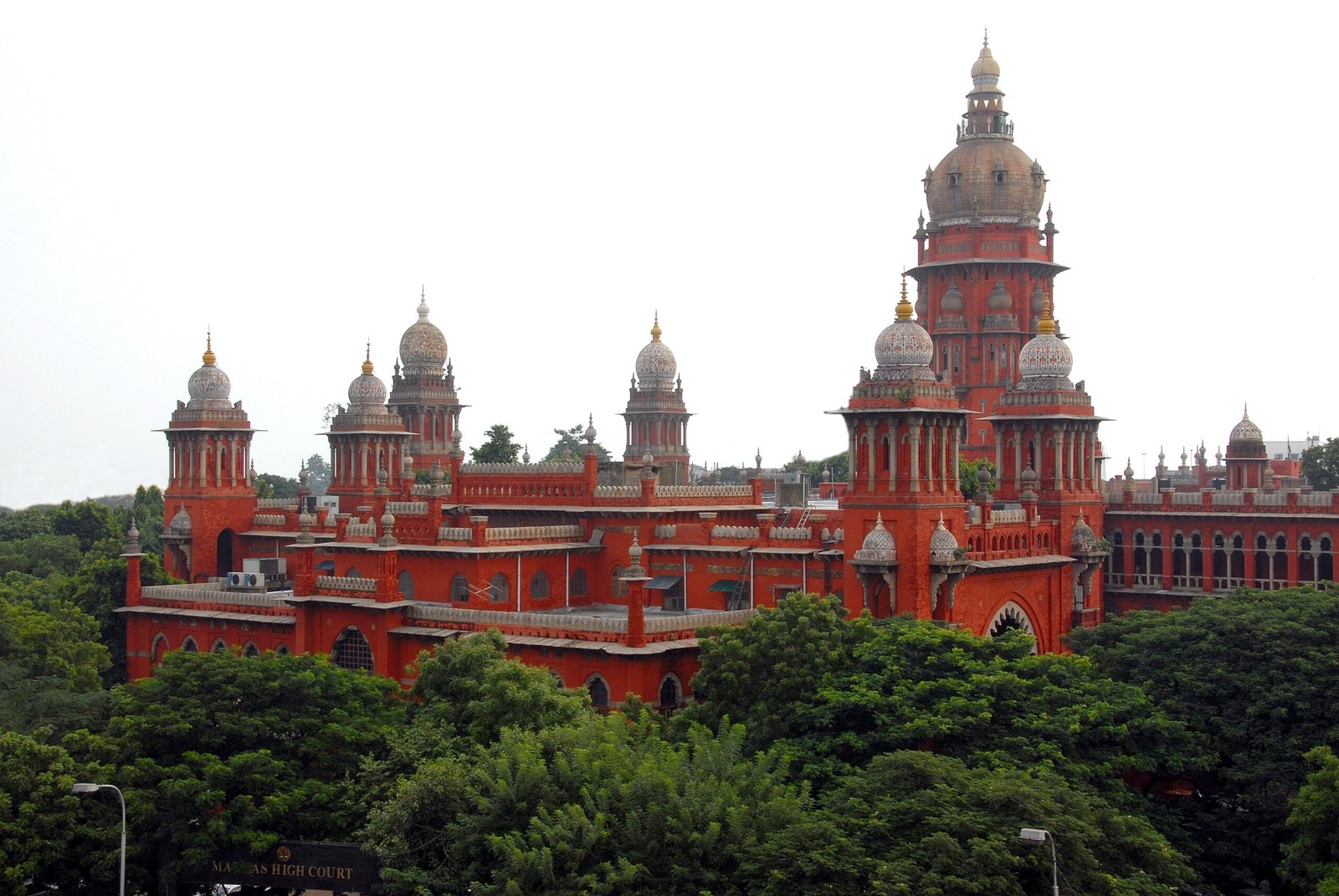
In a significant ruling reinforcing labour dignity in the age of digital workplaces, the Madras High Court has held that abruptly blocking an employee’s smart card access as a means of termination is legally unsustainable and violative of the basic dignity of labour. The judgment marks an important judicial intervention at the intersection of employment law, human dignity, and technology-driven workplace practices, cautioning employers against adopting mechanical or de-humanising methods of disengagement.
The case arose from a dispute involving the termination of a long-serving employee, where the employer allegedly revoked access credentials effectively denying entry at the workplace without following due process.
The Court took serious exception to this practice, observing that technological tools such as smart access systems cannot be weaponised to bypass procedural safeguards in employment law. Justice D. Bharatha Chakravarthy emphasised that such abrupt actions not only lack fairness but also strip the employee of dignity by reducing termination to a mechanical exclusion rather than a lawful process.
The Court’s reasoning went beyond statutory interpretation and invoked broader human rights principles. It observed that blocking access without communication violates fair working conditions. It undermines protections recognised under international frameworks like the Universal Declaration of Human Rights. It offends the notion of “dignity of labour”, a foundational principle of employment jurisprudence
By linking labour rights with human dignity, the Court elevated the issue from a mere service dispute to a constitutional and human rights concern. A key aspect of the ruling is its insistence that termination must follow established legal procedures, including proper notice or communication, conduct of a fair domestic enquiry where required and opportunity for the employee to respond
The Court found that the employer failed to establish compliance with these safeguards, noting absence of proper communication and procedural fairness. It categorically held that administrative convenience or technological efficiency cannot override the principles of natural justice.
Upholding the findings of the labour appellate authority, the High Court refused to interfere with the order declaring the termination illegal and granting relief to the employee. This effectively affirms that arbitrary termination practices will not be judicially condoned. Labour forums’ findings on unfair dismissal will receive strong constitutional backing. Employers must adhere to statutory protections under labour laws such as the Tamil Nadu Shops and Establishments Act
The ruling has broader implications for modern workplaces increasingly governed by digital surveillance, access systems, and automated HR processes. The Court’s observations send a clear signal that technology must assist governance, not replace fairness. Digital systems cannot become tools for covert or abrupt termination and employment relationships must remain anchored in human dignity and legal accountability
Though arising in a service law context, the judgment resonates with constitutional values enshrined under Article 14: Protection against arbitrary State-like action (extended to unfair employment practices) and Article 21: Right to live with dignity, which courts have expanded to include dignified conditions of work. The decision reinforces the idea that employment is not merely contractual; it is intrinsically tied to dignity and livelihood.
The Madras High Court’s ruling is a timely reaffirmation that the dignity of labour cannot be reduced to a swipe card entry. In an era where corporate workplaces increasingly rely on digital systems, the judgment serves as a powerful reminder that technology cannot substitute fairness, and efficiency cannot eclipse dignity. By restoring the centrality of humane treatment in employment relationships, the Court has strengthened the jurisprudence that every termination must be lawful, reasoned, and above all, respectful of the individual’s dignity.
