


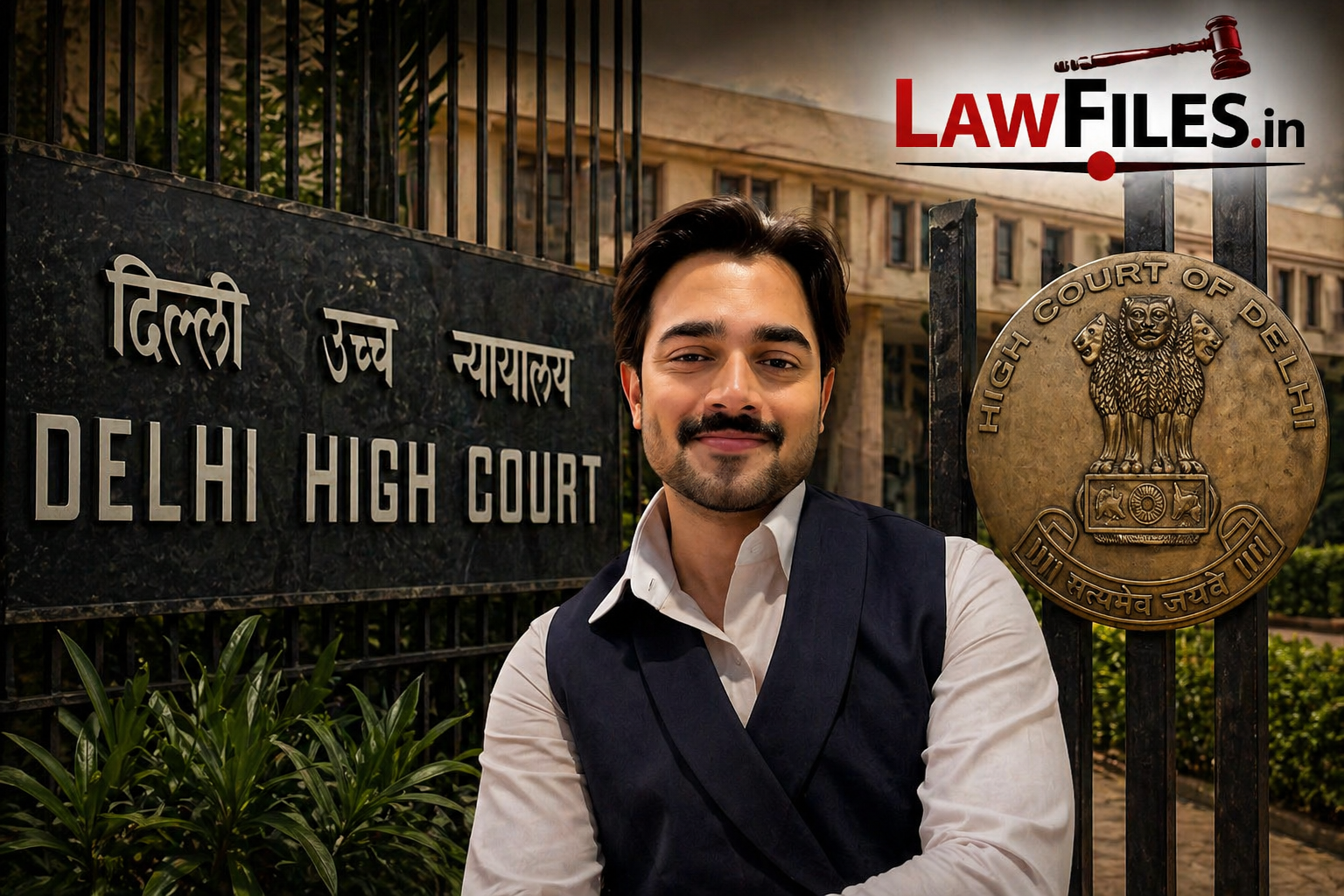
The Delhi High Court’s recent intervention in the plea filed by digital creator Bhuvan Bam marks another significant step in India’s evolving jurisprudence on personality rights in the era of artificial intelligence and deepfake technology. The case, arising from the unauthorised circulation of manipulated content using Bam’s likeness, situates itself within a broader judicial trend increasingly attentive to the intersection of technology, identity, and legal protection.
At the heart of the dispute lies the unauthorised use of Bam’s name, image, and persona across digital platforms often through AI-generated or morphed content capable of misleading viewers. The Court, recognising the prima facie harm caused by such misuse, directed the removal of objectionable material, thereby reaffirming that digital impersonation can amount to a violation of personality and publicity rights. This aligns with the judiciary’s consistent concern that deepfake content not only infringes proprietary aspects of identity but also risks reputational harm and public deception.
However, what renders the present case particularly significant is not merely the grant of takedown relief, but the Court’s cautious approach toward granting expansive, omnibus protection over personality rights at an interim stage. By deferring a conclusive determination on the broader contours of such rights, the Court implicitly acknowledges the doctrinal fluidity of personality rights within Indian law an area still largely shaped through judicial innovation rather than comprehensive statutory codification.
This restrained judicial posture must be read alongside a series of recent rulings where the Delhi High Court has grappled with similar claims. In matters involving figures such as Swami Ramdev and Gautam Gambhir, the Court has unequivocally condemned the use of AI-generated deepfakes and fake endorsements, recognising them as prima facie violations of personality and publicity rights. Likewise, in cases involving actors and public personalities, the judiciary has shown a willingness to intervene where digital manipulation threatens to distort identity or exploit goodwill for commercial gain.
Yet, the Bam case reveals a subtle but crucial tension: the need to balance personality rights against competing constitutional values such as freedom of speech and expression. Courts have repeatedly emphasised that not every use of a public figure’s image warrants restraint only those that are misleading, defamatory, or commercially exploitative justify judicial interference. This distinction becomes increasingly complex in the context of parody, satire, and user-generated content, where the boundaries between legitimate expression and unlawful appropriation are often blurred.
From a doctrinal standpoint, personality rights in India continue to draw from a hybrid foundation rooted in the right to privacy under Article 21, passing off principles in trademark law, and evolving notions of publicity rights. The absence of a dedicated statutory framework leaves courts to engage in case-by-case adjudication, leading to incremental but uneven development of the law. The Bam litigation underscores this gap, particularly in addressing technologically sophisticated harms such as deepfakes, which traditional legal categories struggle to fully capture.
Critically, the case also foregrounds the role of intermediaries and digital platforms. While courts have directed takedown of infringing content, the question of proactive monitoring obligations and platform liability remains underdeveloped. As deepfake technology becomes more accessible, reactive remedies may prove insufficient, necessitating a shift toward regulatory accountability and algorithmic governance.
In analytical terms, the Delhi High Court’s approach reflects a cautious pragmatism. Rather than articulating sweeping principles, it prefers targeted relief removal of specific infringing content while leaving broader doctrinal questions open. This incrementalism may be justified given the rapidly evolving technological landscape, yet it also signals the urgent need for legislative intervention to provide clarity and consistency.
Ultimately, the Bhuvan Bam case is emblematic of a larger legal transition. It highlights how courts are increasingly called upon to safeguard identity in a digital ecosystem where the boundaries of the self can be technologically manipulated and commercially exploited. The jurisprudence emerging from these cases suggests a gradual recognition of personality as a legally protectable asset one that demands both immediate remedial protection and long-term normative structuring.
As India confronts the challenges posed by generative AI, the trajectory set by the Delhi High Court indicates an emerging rights-based framework tentative yet responsive seeking to reconcile innovation with the preservation of individual dignity in the digital age.
