


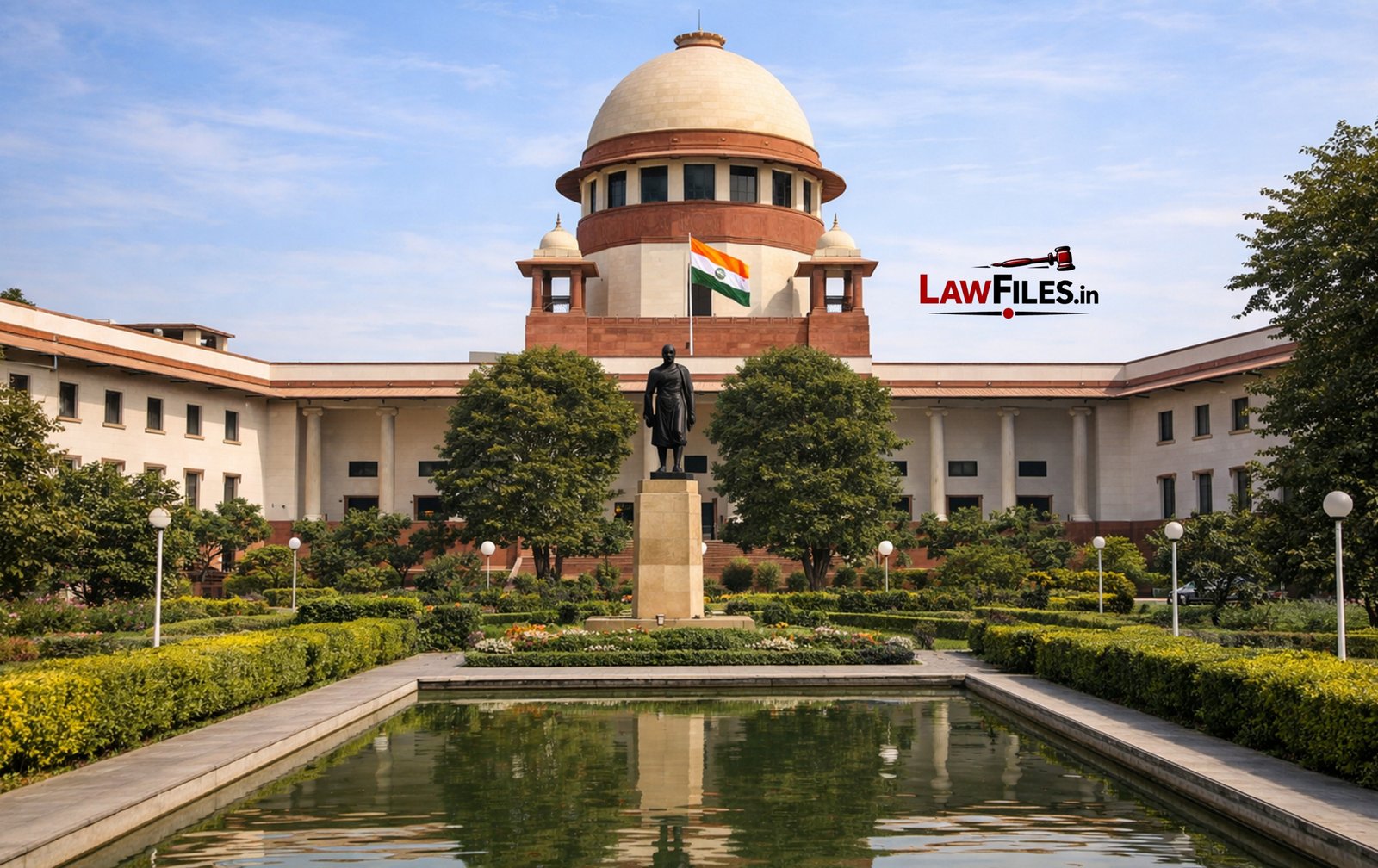
In a constitutionally significant development, the Supreme Court of India is currently engaged in an extensive examination of the Sabarimala reference, revisiting foundational questions concerning the Essential Religious Practices (ERP) test, the scope of denominational rights under Articles 25 and 26, and the extent of the State’s power to intervene in matters of religion. The ongoing hearings before a nine-judge Constitution Bench mark one of the most consequential re-evaluations of religious freedom jurisprudence in recent decades.
The reference arises from the aftermath of the 2018 Sabarimala judgment, which allowed entry of women of all age groups into the temple, holding that the exclusionary practice was not an essential religious practice. The present proceedings, however, go beyond that specific issue and seek to answer broader constitutional questions that could shape the future of judicial engagement with religion itself.
At the heart of the debate lies the continued viability of the Essential Religious Practices test. Originally developed in the landmark Shirur Mutt case, the doctrine allows courts to determine which practices are “essential” to a religion and therefore protected under the Constitution. Over time, however, this test has faced intense criticism for placing courts in the role of theological arbiters deciding matters that arguably lie beyond judicial competence.
During the hearings, strong arguments have emerged challenging the legitimacy of this judicial exercise. The Union Government, through the Solicitor General, has urged the Court to reconsider or even abandon the ERP test, arguing that it is not for courts to determine the essentiality of religious practices. Instead, it has been contended that such matters should be left either to the religious denomination itself or to legislative reform under Article 25(2).
At the same time, the Bench has grappled with the competing concern that completely insulating religious practices from judicial scrutiny could undermine constitutional guarantees of equality and dignity. The Court has indicated that it retains the power of judicial review to test whether practices violate constitutional principles, even if they are claimed to be religious in nature.
This tension between faith and constitutional morality lies at the core of the Sabarimala reference. On one side is the argument that religious denominations have the autonomy to preserve their customs and practices, particularly where such practices are integral to their identity. On the other is the constitutional mandate that no practice religious or otherwise can violate fundamental rights, particularly those relating to equality and non-discrimination.
The issue of denominational rights has also come under intense scrutiny. Article 26 grants religious denominations the right to manage their own affairs in matters of religion. However, the precise scope of this right remains contested. Arguments before the Court have emphasised that narrowing the definition of a denomination could strip religious groups of meaningful protection, while an overly broad interpretation could allow exclusionary practices to escape constitutional review.
Adding another layer of complexity is the State’s reform power under Article 25(2), which allows intervention in religious practices for purposes of social welfare and reform. The Court has been called upon to determine the limits of this power particularly whether it can be used to override long-standing religious customs. Judicial observations during the hearing have cautioned that social reform cannot be pursued in a manner that “hollows out” the core of religion itself, indicating the delicate balance the Court must maintain.
Analytically, the Sabarimala reference represents a clash between three constitutional visions: religious autonomy, judicial review, and social reform. The outcome of this case is likely to redefine the relationship between these principles, determining not only how courts approach religious disputes but also how the Constitution mediates between tradition and transformation.
Critics of the ERP test argue that it has led to inconsistent and subjective outcomes, with courts often relying on selective interpretations of religious texts. Others defend it as a necessary tool to prevent misuse of religion as a shield for discriminatory practices. The Court’s decision in this reference may either recalibrate the test, replace it with a new standard, or redefine the role of courts altogether in matters of faith.
The implications extend far beyond Sabarimala. The questions under consideration will impact a wide range of issues from temple entry and personal laws to minority rights and religious governance. As such, the case stands at the intersection of constitutional law, theology, and social reform, making it one of the most intellectually complex and politically sensitive matters before the Court.
In conclusion, the ongoing hearings in the Sabarimala reference underscore a fundamental constitutional dilemma: how far can the State and the judiciary go in reforming religion without infringing upon religious freedom? The answer to this question will not only shape the future of the ERP doctrine but also determine the contours of secularism and constitutional morality in India.
