

Close Menu
LawFilesLawFiles

    Subscribe to Updates

    Get the latest creative news from FooBar about art, design and business.

    What's Hot

    Supreme Court Reaffirms Finality of CoC-Approved Resolution Plans: Why This Judgment Matters for Future Insolvency Professionals

    June 1, 2026

    NUSRL Ranchi Invites Submissions for “Kautilya’s Take” Policy Blog: A Valuable Opportunity for Law Students and Young Researchers

    June 1, 2026

    Allahabad High Court’s Intervention in Conversion Plea Rekindles Debate on Religious Freedom, Administrative Power, and UP’s Anti-Conversion Law

    June 1, 2026
    Facebook X (Twitter) Instagram Threads
    Monday, June 1
    LawFilesLawFiles
    Facebook X (Twitter)
    • Home
      • Who We Are
      • Our Mission
      • Advisory board
      • Contact US
    • Supreme Court
    • High Courts
      • Gujarat High Court
      • Jharkhand High Court
      • Rajasthan High Court
      • Karnataka High Court
      • Andhra Pradesh High Court
      • Allahabad High Court
      • Himachal Pradesh High Court
      • Chhattisgarh High Court
      • Jammu & Kashmir and Ladakh High Court
      • Kerala High Court
      • Punjab and Haryana High Court
      • Patna High Court
      • Madhya Pradesh High Court
      • Madras High Court
      • Bombay High Court
      • Orissa High Court
      • Calcutta High Court
      • Meghalaya High Court
      • Delhi High Court
      • Manipur High Court
      • Gauhati High Court
    • Corporate
    • Taxation Laws
      • Income Tax
      • GST
      • Customs & Excise
    • Global Affairs
    • Articles
      • Sitting Judge’s’ Views
      • Senior Advocate
      • Policy Analysis
      • Tax Expert
    • PILS
      • Free/Affordable Legal Aid
      • PIL Cell
      • Law student Volunteer Cell (research & Drafting)
      • NGO & Legal services Authority Tie-ups
      • Online Legal Formats
      • Online Legal Help Form
    Subscribe Premium
    LawFilesLawFiles
    Home»High Courts»“Dignity of Labour Cannot Be Switched Off”: Madras High Court Slams ‘Smart Card Termination’ Practices
    High Courts

    “Dignity of Labour Cannot Be Switched Off”: Madras High Court Slams ‘Smart Card Termination’ Practices

    Anvita DwivediBy Anvita DwivediApril 6, 2026No Comments3 Mins Read
    WhatsApp Facebook Twitter Copy Link
    (c)PragMatrix
    Share
    Facebook Twitter Pinterest Copy Link WhatsApp

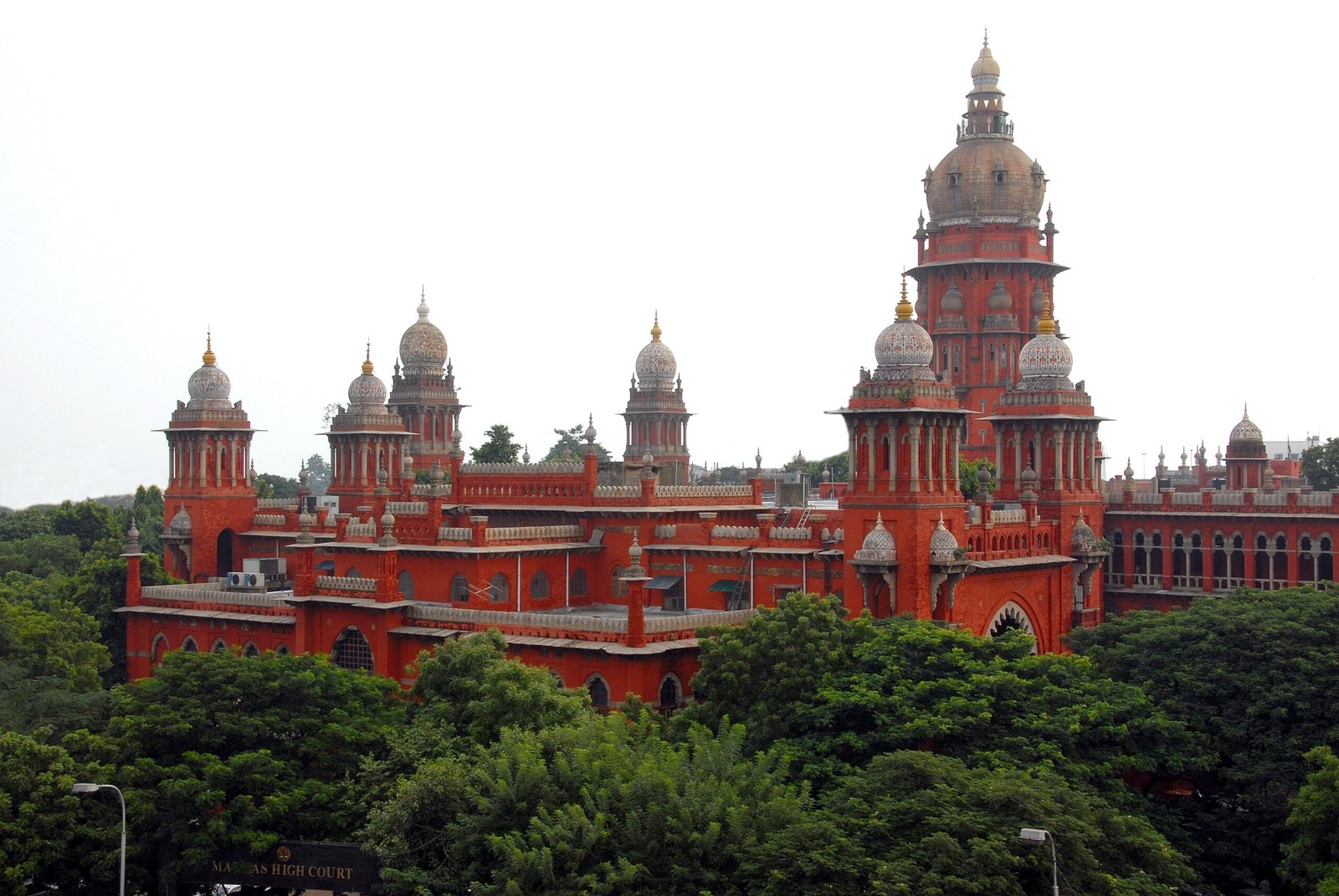
    In a significant ruling reinforcing labour dignity in the age of digital workplaces, the Madras High Court has held that abruptly blocking an employee’s smart card access as a means of termination is legally unsustainable and violative of the basic dignity of labour. The judgment marks an important judicial intervention at the intersection of employment law, human dignity, and technology-driven workplace practices, cautioning employers against adopting mechanical or de-humanising methods of disengagement.

    The case arose from a dispute involving the termination of a long-serving employee, where the employer allegedly revoked access credentials effectively denying entry at the workplace without following due process.

    The Court took serious exception to this practice, observing that technological tools such as smart access systems cannot be weaponised to bypass procedural safeguards in employment law. Justice D. Bharatha Chakravarthy emphasised that such abrupt actions not only lack fairness but also strip the employee of dignity by reducing termination to a mechanical exclusion rather than a lawful process.

    The Court’s reasoning went beyond statutory interpretation and invoked broader human rights principles. It observed that blocking access without communication violates fair working conditions. It undermines protections recognised under international frameworks like the Universal Declaration of Human Rights. It offends the notion of “dignity of labour”, a foundational principle of employment jurisprudence

    By linking labour rights with human dignity, the Court elevated the issue from a mere service dispute to a constitutional and human rights concern. A key aspect of the ruling is its insistence that termination must follow established legal procedures, including proper notice or communication, conduct of a fair domestic enquiry where required and opportunity for the employee to respond

    The Court found that the employer failed to establish compliance with these safeguards, noting absence of proper communication and procedural fairness. It categorically held that administrative convenience or technological efficiency cannot override the principles of natural justice.

    Upholding the findings of the labour appellate authority, the High Court refused to interfere with the order declaring the termination illegal and granting relief to the employee. This effectively affirms that arbitrary termination practices will not be judicially condoned. Labour forums’ findings on unfair dismissal will receive strong constitutional backing. Employers must adhere to statutory protections under labour laws such as the Tamil Nadu Shops and Establishments Act

    The ruling has broader implications for modern workplaces increasingly governed by digital surveillance, access systems, and automated HR processes. The Court’s observations send a clear signal that technology must assist governance, not replace fairness. Digital systems cannot become tools for covert or abrupt termination and employment relationships must remain anchored in human dignity and legal accountability

    Though arising in a service law context, the judgment resonates with constitutional values enshrined under Article 14: Protection against arbitrary State-like action (extended to unfair employment practices) and Article 21: Right to live with dignity, which courts have expanded to include dignified conditions of work. The decision reinforces the idea that employment is not merely contractual; it is intrinsically tied to dignity and livelihood.

    The Madras High Court’s ruling is a timely reaffirmation that the dignity of labour cannot be reduced to a swipe card entry. In an era where corporate workplaces increasingly rely on digital systems, the judgment serves as a powerful reminder that technology cannot substitute fairness, and efficiency cannot eclipse dignity. By restoring the centrality of humane treatment in employment relationships, the Court has strengthened the jurisprudence that every termination must be lawful, reasoned, and above all, respectful of the individual’s dignity.


    “Dignity of Labour Cannot Be Switched Off Madras High Court Slams ‘Smart Card Termination’ Practices
    Share. WhatsApp Facebook Twitter Pinterest Email
    Anvita Dwivedi

    Related Posts

    Supreme Court Reaffirms Finality of CoC-Approved Resolution Plans: Why This Judgment Matters for Future Insolvency Professionals

    June 1, 2026

    Settlement Cannot Become a Tool of Harassment: Supreme Court Quashes Cheating Case After DRT-Approved Loan Resolution

    May 30, 2026

    Supreme Court’s Refusal To Interfere In Cobrapost-Anil Ambani Defamation Dispute Signals Judicial Caution Against Procedural Forum-Shifting

    May 30, 2026
    Add A Comment
    Leave A Reply Cancel Reply

    Demo
    Top Posts

    Wrongful Claim Rejection Amounts to Deficiency in Service: Delhi Consumer Commission Holds Star Health Liable

    March 16, 202667 Views

    Bombay High Court Quashes POCSO Case, Directs Accused to Fund MacBook for Victim’s Education

    February 28, 202650 Views

    Siyahat Meri Syahi Se: A Journey That Transforms Travel into Thought and Entrepreneurship

    March 18, 202643 Views

    Banking Negligence and Consumer Accountability: Supreme Court Reinforces Duty of Care in Cheque Handling

    April 16, 202635 Views
    Don't Miss

    Supreme Court Reaffirms Finality of CoC-Approved Resolution Plans: Why This Judgment Matters for Future Insolvency Professionals

    By Anvita DwivediJune 1, 2026

    In a significant ruling under the Insolvency and Bankruptcy Code, 2016 (IBC), the Supreme Court…

    NUSRL Ranchi Invites Submissions for “Kautilya’s Take” Policy Blog: A Valuable Opportunity for Law Students and Young Researchers

    June 1, 2026

    Allahabad High Court’s Intervention in Conversion Plea Rekindles Debate on Religious Freedom, Administrative Power, and UP’s Anti-Conversion Law

    June 1, 2026

    Supreme Court Rejects Demolition of Navi Mumbai Mall, Signals Shift from Punitive Urban Governance to Proportional Justice

    June 1, 2026
    Stay In Touch
    • Facebook
    • Twitter

    Subscribe to Updates

    Get the latest creative news from SmartMag about art & design.

    Top Posts

    Wrongful Claim Rejection Amounts to Deficiency in Service: Delhi Consumer Commission Holds Star Health Liable

    March 16, 202667 Views

    Bombay High Court Quashes POCSO Case, Directs Accused to Fund MacBook for Victim’s Education

    February 28, 202650 Views

    Siyahat Meri Syahi Se: A Journey That Transforms Travel into Thought and Entrepreneurship

    March 18, 202643 Views
    Don't Miss

    Supreme Court Reaffirms Finality of CoC-Approved Resolution Plans: Why This Judgment Matters for Future Insolvency Professionals

    By Anvita DwivediJune 1, 2026

    In a significant ruling under the Insolvency and Bankruptcy Code, 2016 (IBC), the Supreme Court…

    NUSRL Ranchi Invites Submissions for “Kautilya’s Take” Policy Blog: A Valuable Opportunity for Law Students and Young Researchers

    June 1, 2026

    Allahabad High Court’s Intervention in Conversion Plea Rekindles Debate on Religious Freedom, Administrative Power, and UP’s Anti-Conversion Law

    June 1, 2026

    Supreme Court Rejects Demolition of Navi Mumbai Mall, Signals Shift from Punitive Urban Governance to Proportional Justice

    June 1, 2026
    Stay In Touch
    • Facebook
    • YouTube
    • TikTok
    • Instagram
    Top Trending
    About Us
    About Us

    LawFiles.in is a comprehensive legal news platform delivering real-time updates from the Supreme Court, High Courts, Tribunals, Corporate and Tax law, Regulators, Politics, Crime, Consumer cases, and Global Affairs.

    Email Us: lawfilesoffical@gmail.com
    Contact: +91 8800026066

    Contact Us:
    India International Centre
    40, Max Mueller Marg
    Lodhi Estate, New Delhi-110003

    Facebook X (Twitter)
    Our Picks

    Supreme Court Reaffirms Finality of CoC-Approved Resolution Plans: Why This Judgment Matters for Future Insolvency Professionals

    June 1, 2026

    NUSRL Ranchi Invites Submissions for “Kautilya’s Take” Policy Blog: A Valuable Opportunity for Law Students and Young Researchers

    June 1, 2026

    Allahabad High Court’s Intervention in Conversion Plea Rekindles Debate on Religious Freedom, Administrative Power, and UP’s Anti-Conversion Law

    June 1, 2026

    Supreme Court Rejects Demolition of Navi Mumbai Mall, Signals Shift from Punitive Urban Governance to Proportional Justice

    June 1, 2026

    Supreme Court Questions Waqf Bodies’ Claim to Court Fee Exemption, Reopens Debate on Legal Privileges and Procedural Equality

    June 1, 2026
    Most Popular

    ED Can Arrest Even If FIRs Are Added to ECIR Later: Punjab & Haryana High Court

    January 30, 20260 Views

    Custodial Death and State Liability : A Critical Analysis of the Allahabad High Court’s ₹10 Lakh Compensation Judgment

    February 22, 20260 Views

    Gujarat High Court Commutes Death Sentence in Child Rape-Murder; Reinforces Capital Sentencing Standards in Light of MP High Court Precedent

    February 23, 20260 Views

    Delhi Family Court Rules Against Enforcement of Australian Property Orders in Shikhar Dhawan Matrimonial Dispute

    February 25, 20260 Views

    Supreme Court Stays Criminal Proceedings Against Jharkhand CM Hemant Soren Over Alleged ED Summons Defiance

    February 25, 20260 Views
    © 2026 LawFiles. Owned by Varta24 Media.
    • Articles
    • Careers
    • Corporate
    • Global Affairs
    • Law Firms & Lawyers
    • PILS
    • Regulatory

    Type above and press Enter to search. Press Esc to cancel.