


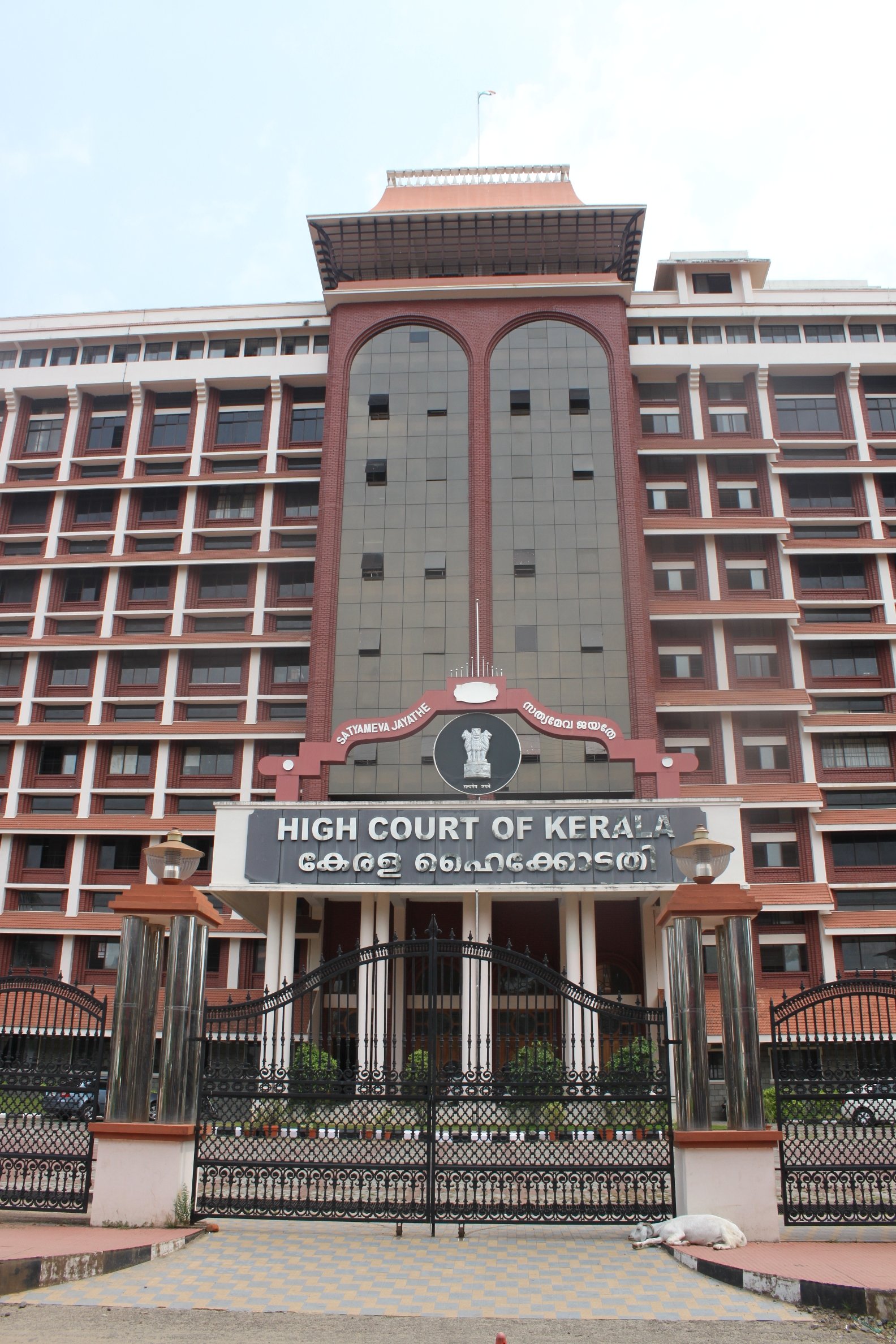
Kochi, 26 February 2026: The Kerala High Court has taken significant interim measures in the legal controversy surrounding the upcoming Hindi film The Kerala Story 2 goes Beyond by temporarily staying its release and raising pointed questions about the Central Board of Film Certification’s (CBFC) decision to grant it a U/A certificate. The film, produced by Vipul Amrutlal Shah and directed by Kamakhya Narayan Singh, was scheduled for a nationwide theatrical release on 27 February 2026.
A single-judge bench led by Justice Bechu Kurian Thomas on Thursday granted an interim stay on the film’s release and distribution rights, observing prima facie that the CBFC “may not have applied its mind” properly while certifying the movie for public exhibition. The order requires the Board to re-examine the film’s certification and reconsider petitioners’ representations within two weeks before any release can proceed.
The High Court’s directive also restrains the film’s makers from releasing distribution rights until final disposal of the ongoing petitions challenging the certification. Meanwhile, the court has paused the scheduled 27 February release in light of the pending judicial scrutiny.
The legal challenge was brought by several petitioners, including Sreedev Namboothiri of Kannur, who argue the film’s title and promotional material misrepresent the State of Kerala; a region widely recognised for its secular ethos and communal harmony by associating it with narratives of terrorism, forced religious conversion, and demographic threats.
Petitioners contend that the CBFC’s U/A certification was granted without due compliance with the procedural requirements of the Cinematograph Act, 1952, and that the Board failed to assess whether the film could adversely affect public order or societal harmony.
During hearings earlier this week, the Kerala High Court orally expressed concerns that the teaser and trailers of The Kerala Story 2 depict “Kerala lives in total harmony” in a misleading way and could provoke social tensions if released without careful evaluation. It also asked the Centre’s counsel whether a judicial screening of the complete film could be arranged so the court might directly assess the content.
Justices observed that the apprehensions of the people of Kerala cannot be ignored, particularly where promotional material uses the state’s name but is perceived by some as portraying it in an unfavourable or inaccurate light.
Responses from Filmmakers and Government
In response, the film’s producer has filed a counter-affidavit arguing that the petitions are premature and misconceived, asserting that a certified film should not be restrained on the basis of teasers or trailers alone, without evaluation of the full cinematic work. The producer maintained that CBFC, as the statutory authority, is responsible for film certification and that the court should defer to its expertise unless a clear legal ground for interference is shown.
Separately, the Union Government, appearing before the Kerala High Court, defended the CBFC’s decision contending that the film’s certification does not threaten public order and emphasised that creative freedom under Article 19(1)(a) of the Constitution is fundamental and should not be curtailed without substantial justification.
The Kerala Story 2 is a sequel to the 2023 film The Kerala Story, which itself sparked intense debate over alleged misrepresentation and ideological messaging. Like its predecessor, the sequel has ignited fresh public discourse on freedom of expression versus social responsibility, and the scope of judicial intervention in content certified by the statutory censor board.
Critics, including civic groups and political actors, have argued that the film’s narrative inspiration could stereotype an entire region and its people, potentially affecting social harmony. Conversely, supporters of the film’s certification have stressed that fictional or dramatized narratives are protected under constitutional free speech rights, and that film certification bodies must be accorded due respect unless legal error is clearly demonstrated.
The Kerala High Court is set to continue hearings on the matter, including on whether it should screen the film itself before deciding on the petitions challenging the certification and stay order. The court’s deliberations will weigh statutory obligations of the CBFC, constitutional guarantees of free speech, and concerns about public order and communal harmony.
The outcome of this case could have broader implications for how Indian courts navigate conflicts between creative expression and public sensitivities in cinema, particularly where certification decisions are alleged to have been taken without appropriate scrutiny.
