


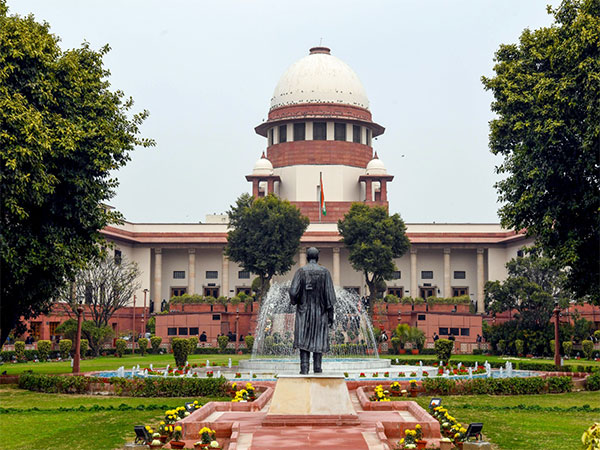
The Supreme Court of India has issued a stern warning against baseless allegations targeting the integrity of judicial officers involved in West Bengal’s Special Intensive Revision (SIR) of electoral rolls. In a recent hearing, a bench led by Chief Justice Surya Kant and Justice Joymalya Bagchi made it clear that such claims undermine the judiciary’s sanctity and will not be entertained. This development underscores the Court’s commitment to protecting its officers while ensuring the SIR process moves forward efficiently.
Background of the SIR Controversy
West Bengal’s SIR, launched by the Election Commission of India (ECI), aims to cleanse voter lists ahead of future polls by addressing logical discrepancies and unmapped entries. Over 10 lakh objections have already been processed, with judicial officers from West Bengal, Odisha, and Jharkhand deployed to handle the massive backlog. Tensions arose from a perceived trust deficit between the state government and ECI, prompting the Court to intervene multiple times since February 2026.
The process gained urgency after reports of delays, with civil judges (senior and junior divisions) having at least three years of service now authorized to participate. The Court has clarified that 12 specified documents, serve as valid proofs. Despite extensions granted earlier, pendency remains high, with officers working extended hours to meet deadlines.
Court’s Strong Stance on Allegations
During the March 9, 2026, proceedings, the bench rebuked applications questioning judicial decisions in SIR claims. “We will not tolerate” such premature accusations, the Court declared, emphasizing that no one should dare impugn the integrity of officers performing judicial duties. This rebuke came amid pleas challenging voter deletions, where senior advocates argued for urgent hearings due to unserved orders.
The judiciary’s role became pivotal after initial ECI-WB government friction, including objections to training modules for officers. The Court dismissed state concerns, affirming that its officers remain impartial and uninfluenced. This “extraordinary” deployment of district judges and others shifted verification into a structured judicial framework, bypassing earlier hurdles.
Directive for Special Appeals Bench
In a key directive, the Court empowered Calcutta High Court Chief Justice Sujoy Paul to form a special bench comprising former or sitting judges. This bench will exclusively hear appeals against SIR decisions, with the ECI footing all costs, including honorariums for judges and supporting staff. Chief Justice Paul, recommended by the collegium and appointed acting CJ earlier, now oversees this mechanism to ensure fair redressal.
This step addresses fears of arbitrary exclusions, as seen in petitions by affected voters invoking Bihar SIR precedents. The Court questioned bypassing statutory remedies but noted procedural lapses like undelivered orders, signaling a balanced approach.
Broader Implications for Electoral Integrity
The ruling reinforces judicial independence amid political sensitivities. West Bengal’s SIR has spotlighted issues like entries and suspicious data and with notices issued initially. The Court’s interventions—from mandating separate deletion lists to allowing post-deadline submissions—have provided relief while streamlining operations.
Critics argue the process risks disenfranchising genuine voters, especially in rural areas with limited documentation access. Proponents, however, hail it as essential for fraud-free rolls. With DGP affidavits ordered on violence allegations and micro-observers’ roles clarified, the judiciary positions itself as the ultimate arbiter.
Path Forward and Stakeholder Duties
Looking ahead, the special bench’s formation could expedite resolutions, potentially resolving thousands of appeals swiftly. The ECI must comply fully, providing logistical support without overstepping Court orders. The West Bengal government, meanwhile, faces implicit pressure to cooperate sans excuses, as prior warnings indicate.
This episode highlights the judiciary’s role in electoral reforms, blending oversight with empowerment. As SIR concludes, the focus shifts to implementation, ensuring voter lists reflect reality without compromising democratic fairness. For citizens, timely appeals via the new mechanism offer hope amid the chaos.
Judicial Integrity and Contempt Safeguards
The ruling invokes inherent judicial powers under Article 129 (Supreme Court as court of record) to shield officers from “premature and reckless” allegations. Labeling such claims as contemptuous, Parties questioning SIR orders must now approach the special bench, foreclosing direct Supreme Court petitions absent exceptional circumstances under Article 136.
ECI bears full costs, including honorariums, reinforcing accountability under Section 100 of the Representation of the People Act.
Appellate Mechanism and Procedural Reforms
Chief Justice Sujoy Paul’s special bench—comprising former or sitting judges—operates as a statutory appellate authority under Rule 23 of the Registration of Electors Rules, hearing appeals de novo with ECI-funded logistics. Orders passed therein bind final electoral rolls under Section 62, subject to limited Supreme Court review. This addresses procedural lapses like unserved notices, mandating e-service via SMS/email akin to NI Act summons.
Implications for Legal Practice
Advocates in electoral law must now pivot to appellate advocacy before specialized benches, emphasizing evidence like voter slips over bald assertions. The ruling signals zero tolerance for integrity aspersions, potentially curbing PIL abuse in poll matters. As SIR concludes, it sets a template for judicial oversight in high-stakes verifications, ensuring constitutional mandates prevail amid partisan tensions.
