

Close Menu
LawFilesLawFiles

    Subscribe to Updates

    Get the latest creative news from FooBar about art, design and business.

    What's Hot

    Supreme Court Suggests Reconsidering Colonial-Era Rule Under Section 306 of Succession Act: Should Civil Liability Die With the Wrongdoer?

    May 20, 2026

    Massive Expansion for Madras High Court: Supreme Court Collegium Recommends 19 New Judges Amid Growing Judicial Backlog

    May 20, 2026

    Supreme Court Clarifies Limits of Reassessment Under Income Tax Act: ‘Reason to Believe’ Cannot Become a Tool for Endless Tax Scrutiny

    May 18, 2026
    Facebook X (Twitter) Instagram Threads
    Wednesday, May 20
    LawFilesLawFiles
    Facebook X (Twitter)
    • Home
      • Who We Are
      • Our Mission
      • Advisory board
      • Contact US
    • Supreme Court
    • High Courts
      • Gujarat High Court
      • Jharkhand High Court
      • Rajasthan High Court
      • Karnataka High Court
      • Andhra Pradesh High Court
      • Allahabad High Court
      • Himachal Pradesh High Court
      • Chhattisgarh High Court
      • Jammu & Kashmir and Ladakh High Court
      • Kerala High Court
      • Punjab and Haryana High Court
      • Patna High Court
      • Madhya Pradesh High Court
      • Madras High Court
      • Bombay High Court
      • Orissa High Court
      • Calcutta High Court
      • Meghalaya High Court
      • Delhi High Court
      • Manipur High Court
      • Gauhati High Court
    • Corporate
    • Taxation Laws
      • Income Tax
      • GST
      • Customs & Excise
    • Global Affairs
    • Articles
      • Sitting Judge’s’ Views
      • Senior Advocate
      • Policy Analysis
      • Tax Expert
    • PILS
      • Free/Affordable Legal Aid
      • PIL Cell
      • Law student Volunteer Cell (research & Drafting)
      • NGO & Legal services Authority Tie-ups
      • Online Legal Formats
      • Online Legal Help Form
    Subscribe Premium
    LawFilesLawFiles
    Home»Political News»“What Happens to Indian Civilisation?”: Supreme Court’s Sabarimala Reference Hearing Reopens the Constitutional Faultline Between Faith and Judicial Review
    Political News

    “What Happens to Indian Civilisation?”: Supreme Court’s Sabarimala Reference Hearing Reopens the Constitutional Faultline Between Faith and Judicial Review

    Anvita DwivediBy Anvita DwivediMay 7, 2026No Comments5 Mins Read
    WhatsApp Facebook Twitter Copy Link
    Share
    Facebook Twitter Pinterest Copy Link WhatsApp

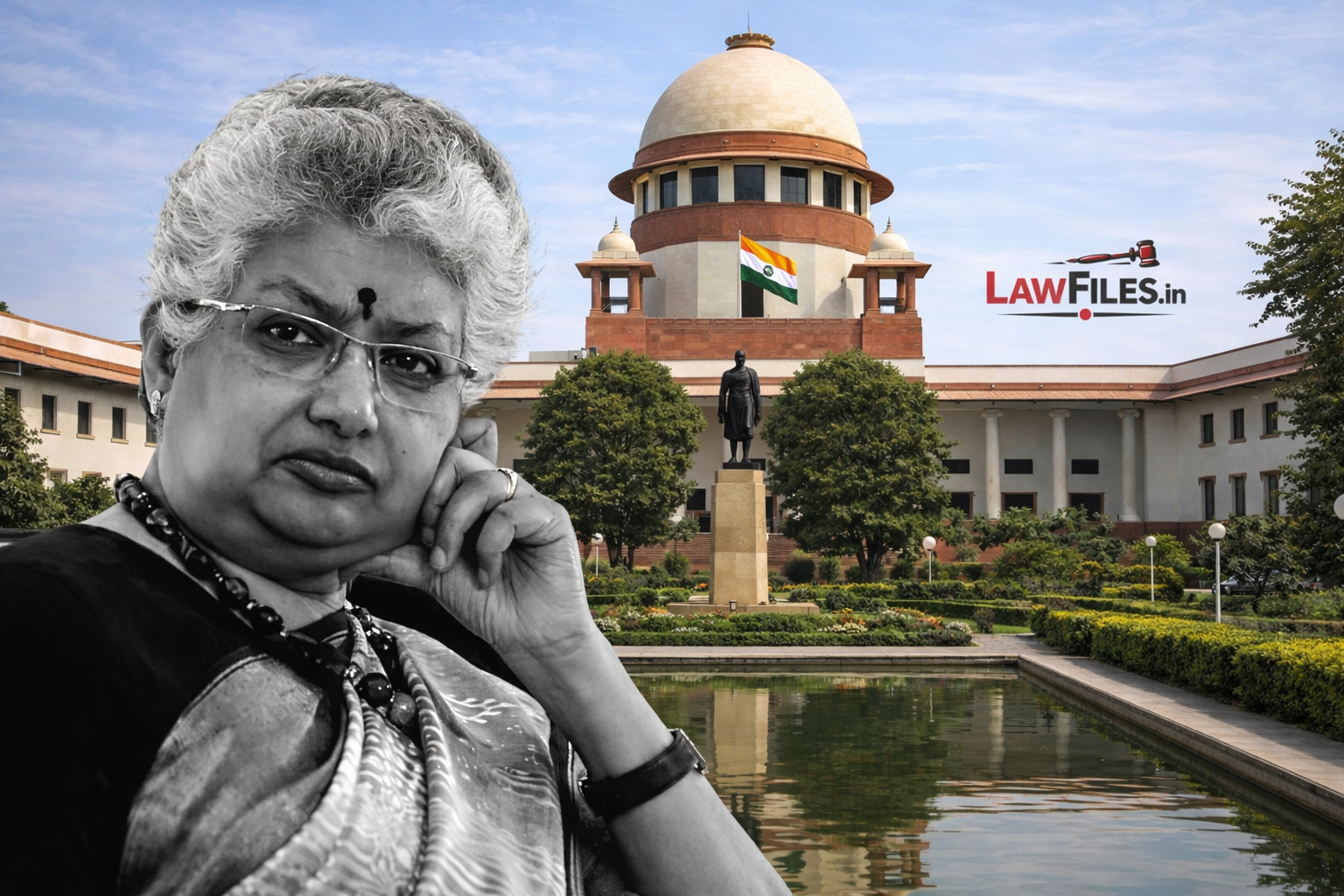
    In a deeply philosophical and constitutionally significant exchange during the ongoing Sabarimala reference proceedings, the Supreme Court of India questioned the long-term implications of subjecting every religious practice to constitutional scrutiny, asking: “What happens to Indian civilisation if every religious practice is questioned in courts?” The remark, made by Justice B.V. Nagarathna during hearings before a nine-judge Constitution Bench, reflects the Court’s growing concern over the extent to which constitutional courts should intervene in matters of faith, denomination, and religious autonomy.

    The observation came while the Bench was hearing arguments relating to the Dawoodi Bohra excommunication dispute, which has been tagged with the broader Sabarimala reference concerning the scope of judicial review under Articles 25 and 26 of the Constitution. Senior Advocate Raju Ramachandran, appearing for reformist members challenging the practice of excommunication, argued that the power exercised by the religious head of the community violated individual dignity and fundamental rights. In response, the Bench repeatedly questioned whether courts could become forums for adjudicating every intra-religious disagreement without destabilising the cultural and civilisational foundations of Indian society.

    Justice Nagarathna’s remarks were particularly striking because they framed the issue not merely as a legal dispute but as a civilisational dilemma. She observed that religion in India is “intimately connected” with social life and warned that indiscriminate judicial intervention could trigger endless litigation challenging religious customs and institutional practices. According to the Bench, the question before the Court is not limited to whether a particular practice survives constitutional scrutiny, but also whether constitutional adjudication itself possesses manageable limits in matters of faith.

    Justice M.M. Sundresh echoed similar concerns, cautioning that if courts begin entering every theological or denominational dispute, “religions will break.” The Bench appeared apprehensive that constitutional litigation could transform courts into arbiters of religious correctness rather than guardians of constitutional legality. This concern reflects a larger anxiety about the judiciary assuming a role that may effectively reshape religious traditions through judicial interpretation rather than democratic or internal reform processes.

    At the heart of the proceedings lies the unresolved constitutional conflict between Articles 25 and 26. Article 25 guarantees individual freedom of conscience and the right freely to profess and practice religion, while Article 26 protects the autonomy of religious denominations to manage their own affairs in matters of religion. The nine-judge Bench is examining how these provisions interact, and more importantly, whether denominational autonomy can be subjected to constitutional equality standards.

    The hearings have therefore reopened one of the most contested doctrinal questions in Indian constitutional law: should courts determine what constitutes an “essential religious practice,” or should they defer once a practice is shown to be genuinely religious? During earlier hearings, the Bench repeatedly questioned the workability of the “essential religious practices” doctrine, asking how courts are institutionally equipped to evaluate theological authenticity.

    The Court’s observations also indicate a visible shift from the rights-centric language that dominated the 2018 Sabarimala judgment. In that landmark verdict, a Constitution Bench had held that the exclusion of women between the ages of 10 and 50 from the Sabarimala temple violated constitutional guarantees of equality and dignity. The current reference, however, appears to be moving toward a more restrained understanding of judicial review in religious matters, with several judges questioning whether public interest litigations should become instruments for restructuring faith traditions at the instance of non-adherents.

    This emerging judicial approach reflects a broader institutional concern regarding the limits of constitutional morality. Petitioners supporting reform have argued that no religious practice can survive if it violates fundamental rights. Yet the Bench has repeatedly countered by asking whether constitutional courts should enter domains historically governed by faith, custom, and community consensus. Justice Nagarathna observed that what the Court lays down in this reference “is for a civilization,” highlighting the extraordinary consequences the ruling may carry for India’s plural religious landscape.

    At the same time, the Court has not entirely endorsed unchecked denominational autonomy. In earlier hearings, the Bench observed that practices involving caste exclusion or threats to public order may fall outside constitutional protection. It also questioned discriminatory practices affecting Parsi women and examined whether exclusionary customs can legitimately claim immunity merely because they are religiously rooted.

    The proceedings thus reveal a judiciary internally negotiating competing constitutional visions. One vision emphasizes transformative constitutionalism, where courts actively dismantle exclusionary practices in the name of equality and dignity. The other stresses constitutional pluralism and judicial restraint, warning that aggressive intervention may erode the autonomy of religious communities and destabilize India’s multicultural social fabric.

    Critically, the Court’s remarks also raise questions about the future of Public Interest Litigation in religious matters. Several judges openly questioned whether PILs filed by non-believers or third parties should be entertained at all in disputes involving denominational practices. This could potentially narrow the scope of constitutional challenges against religious customs and shift reform discourse away from courts toward legislatures and internal community processes.

    The significance of the Sabarimala reference extends far beyond temple entry. The eventual ruling is likely to impact a range of disputes involving mosque entry, excommunication, denominational rights, gender-based exclusions, and the future of the essential religious practices doctrine itself. It may ultimately determine whether constitutional courts remain active engines of social reform in religious matters or adopt a more restrained role grounded in institutional humility.

    In conclusion, the Supreme Court’s observation questioning what would happen to Indian civilisation if every religious practice is challenged in courts captures the profound constitutional tension at the centre of the Sabarimala reference. The hearings have evolved into a larger debate about the identity of the Indian Constitution itself whether it is primarily transformative and interventionist, or pluralist and deferential toward religious autonomy. As the nine-judge Bench continues its deliberations, the case is poised to redefine the relationship between faith, reform, and constitutional adjudication in India.

    “What Happens to Indian Civilisation?” Supreme Court’s Sabarimala Reference Hearing Reopens the Constitutional Faultline Between Faith and Judicial Review
    Share. WhatsApp Facebook Twitter Pinterest Email
    Anvita Dwivedi

    Related Posts

    Supreme Court Suggests Reconsidering Colonial-Era Rule Under Section 306 of Succession Act: Should Civil Liability Die With the Wrongdoer?

    May 20, 2026

    Massive Expansion for Madras High Court: Supreme Court Collegium Recommends 19 New Judges Amid Growing Judicial Backlog

    May 20, 2026

    Supreme Court Clarifies Limits of Reassessment Under Income Tax Act: ‘Reason to Believe’ Cannot Become a Tool for Endless Tax Scrutiny

    May 18, 2026
    Add A Comment
    Leave A Reply Cancel Reply

    Demo
    Top Posts

    Wrongful Claim Rejection Amounts to Deficiency in Service: Delhi Consumer Commission Holds Star Health Liable

    March 16, 202667 Views

    Bombay High Court Quashes POCSO Case, Directs Accused to Fund MacBook for Victim’s Education

    February 28, 202650 Views

    Siyahat Meri Syahi Se: A Journey That Transforms Travel into Thought and Entrepreneurship

    March 18, 202641 Views

    Supreme Court Notice on Muslim Personal Law: Reopening the Constitutional Debate on Gender Equality and Faith

    April 16, 202624 Views
    Don't Miss

    Supreme Court Suggests Reconsidering Colonial-Era Rule Under Section 306 of Succession Act: Should Civil Liability Die With the Wrongdoer?

    By Anvita DwivediMay 20, 2026

    In a legally significant and intellectually consequential observation, the Supreme Court has recommended that the…

    Massive Expansion for Madras High Court: Supreme Court Collegium Recommends 19 New Judges Amid Growing Judicial Backlog

    May 20, 2026

    Supreme Court Clarifies Limits of Reassessment Under Income Tax Act: ‘Reason to Believe’ Cannot Become a Tool for Endless Tax Scrutiny

    May 18, 2026

    Supreme Court Says Tenant’s Defence Cannot Be Struck Off Without Determining Whether Rent Default Was Wilful

    May 18, 2026
    Stay In Touch
    • Facebook
    • Twitter

    Subscribe to Updates

    Get the latest creative news from SmartMag about art & design.

    Top Posts

    Wrongful Claim Rejection Amounts to Deficiency in Service: Delhi Consumer Commission Holds Star Health Liable

    March 16, 202667 Views

    Bombay High Court Quashes POCSO Case, Directs Accused to Fund MacBook for Victim’s Education

    February 28, 202650 Views

    Siyahat Meri Syahi Se: A Journey That Transforms Travel into Thought and Entrepreneurship

    March 18, 202641 Views
    Don't Miss

    Supreme Court Suggests Reconsidering Colonial-Era Rule Under Section 306 of Succession Act: Should Civil Liability Die With the Wrongdoer?

    By Anvita DwivediMay 20, 2026

    In a legally significant and intellectually consequential observation, the Supreme Court has recommended that the…

    Massive Expansion for Madras High Court: Supreme Court Collegium Recommends 19 New Judges Amid Growing Judicial Backlog

    May 20, 2026

    Supreme Court Clarifies Limits of Reassessment Under Income Tax Act: ‘Reason to Believe’ Cannot Become a Tool for Endless Tax Scrutiny

    May 18, 2026

    Supreme Court Says Tenant’s Defence Cannot Be Struck Off Without Determining Whether Rent Default Was Wilful

    May 18, 2026
    Stay In Touch
    • Facebook
    • YouTube
    • TikTok
    • Instagram
    Top Trending
    About Us
    About Us

    LawFiles.in is a comprehensive legal news platform delivering real-time updates from the Supreme Court, High Courts, Tribunals, Corporate and Tax law, Regulators, Politics, Crime, Consumer cases, and Global Affairs.

    Email Us: lawfilesoffical@gmail.com
    Contact: +91 8800026066

    Contact Us:
    India International Centre
    40, Max Mueller Marg
    Lodhi Estate, New Delhi-110003

    Facebook X (Twitter)
    Our Picks

    Supreme Court Suggests Reconsidering Colonial-Era Rule Under Section 306 of Succession Act: Should Civil Liability Die With the Wrongdoer?

    May 20, 2026

    Massive Expansion for Madras High Court: Supreme Court Collegium Recommends 19 New Judges Amid Growing Judicial Backlog

    May 20, 2026

    Supreme Court Clarifies Limits of Reassessment Under Income Tax Act: ‘Reason to Believe’ Cannot Become a Tool for Endless Tax Scrutiny

    May 18, 2026

    Supreme Court Says Tenant’s Defence Cannot Be Struck Off Without Determining Whether Rent Default Was Wilful

    May 18, 2026

    Bartering the Girl Child: The Rajasthan High Court’s Decisive Strike Against ‘Atta-Satta’ Marriages

    May 18, 2026
    Most Popular

    ED Can Arrest Even If FIRs Are Added to ECIR Later: Punjab & Haryana High Court

    January 30, 20260 Views

    Non-Disclosure Of QCBS Criteria In Tender Alone Not Enough To Allege Malafides: Gauhati High Court

    January 31, 20260 Views

    January 2026 Monthly Digest: Important Rulings of the Jammu & Kashmir and Ladakh High Court

    February 2, 20260 Views

    Custodial Death and State Liability : A Critical Analysis of the Allahabad High Court’s ₹10 Lakh Compensation Judgment

    February 22, 20260 Views

    SC Reopens Debate on 3-Year Practice Rule for Judicial Service

    February 22, 20260 Views
    © 2026 LawFiles. Owned by Varta24 Media.
    • Articles
    • Careers
    • Corporate
    • Global Affairs
    • Law Firms & Lawyers
    • PILS
    • Regulatory

    Type above and press Enter to search. Press Esc to cancel.