


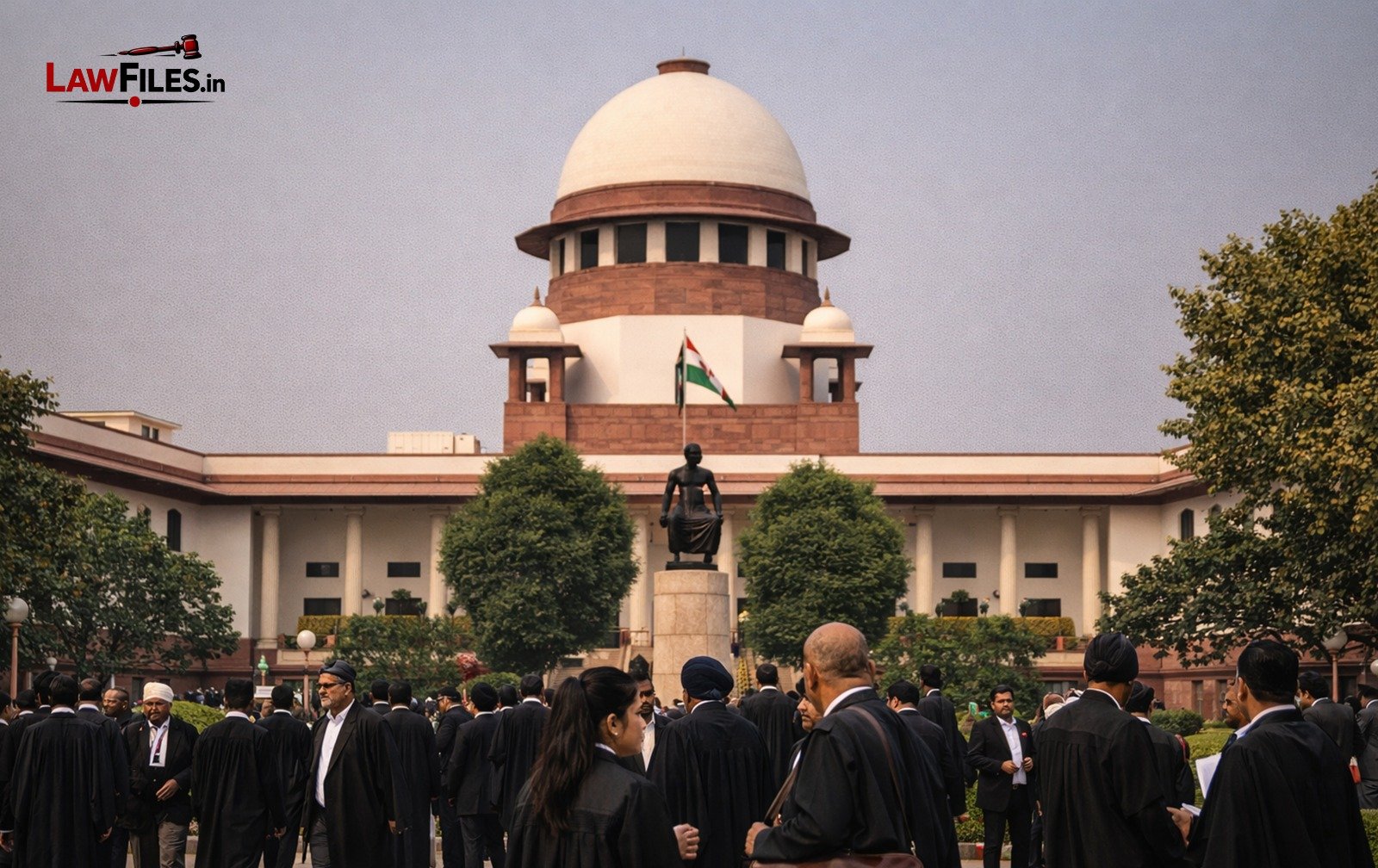
In a recent ruling, the Supreme Court of India has reiterated a crucial principle governing religious endowments: the mere exercise of supervisory or administrative functions in temple affairs, including appointment of pujaris, does not create or confer proprietary title over temple property. The judgment marks a reaffirmation of long-settled jurisprudence that separates management rights from ownership, while also clarifying ambiguities that frequently arise in disputes involving religious institutions.
At the heart of the controversy was a claim that entities exercising control over temple administration particularly in the appointment and oversight of priests could assert a form of proprietary interest over the temple or its attached properties. Rejecting this contention, the Court drew a sharp doctrinal distinction between control and title, holding that supervisory authority, however extensive, remains juridically insufficient to displace the fundamental principle that ownership of temple property vests in the deity.
The Court’s reasoning is rooted in the well-established legal position that a Hindu deity is treated as a juristic person capable of owning property. In this framework, temple land and assets are not held by priests, managers, or even state authorities in their own right, but are instead vested in the deity itself. The role of priests and administrators is therefore fiduciary and functional, not proprietary. As earlier precedents have consistently held, a pujari is merely a functionary tasked with performing rituals and managing day-to-day affairs, without acquiring any independent ownership rights.
Extending this logic, the Court clarified that even a higher degree of administrative involvement such as appointing priests or supervising temple functioning does not elevate an authority to the status of an owner or title-holder. This observation is particularly significant in the context of increasing state regulation of temples, where governments or statutory bodies often exercise considerable oversight. The ruling implicitly cautions against conflating regulatory control with proprietary entitlement.
The decision also aligns with a broader judicial trend resisting attempts by individuals or institutions to assert ownership over religious property through indirect means. Courts have consistently rejected claims based on long association, performance of religious duties, or even adverse possession, emphasizing that such roles are inherently permissive and subordinate to the deity’s ownership.
From a doctrinal standpoint, the judgment reinforces the classical distinction between shebaitship (management) and ownership. While a shebait or manager may enjoy certain limited rights such as administration, maintenance, and even some beneficial interest these do not translate into full proprietary title. The Court’s emphasis on this distinction is a reminder that religious endowments operate within a unique legal framework where ownership is conceptualized differently from secular property law.
Critically, the ruling also has implications for disputes involving state intervention in temple governance. By holding that supervisory functions do not confer title, the Court preserves the autonomy of religious endowments from potential overreach. At the same time, it maintains space for regulatory oversight, provided such oversight does not transgress into claims of ownership or control over the corpus of the endowment.
However, the judgment also raises broader questions about the evolving relationship between religion and state in India’s constitutional framework. While the Court has protected the proprietary status of the deity, it has not curtailed the state’s regulatory role. This delicate balance between autonomy and oversight continues to define the legal landscape of temple administration and is likely to generate further litigation.
In conclusion, the Supreme Court’s ruling is less a departure and more a reaffirmation of established principles, albeit in a contemporary context marked by increasing administrative complexity. By decisively holding that supervisory authority does not translate into ownership, the Court has reinforced the foundational doctrine that temple property belongs to the deity alone, and that all human actors whether priests, trustees, or state authorities remain custodians rather than owners.
