


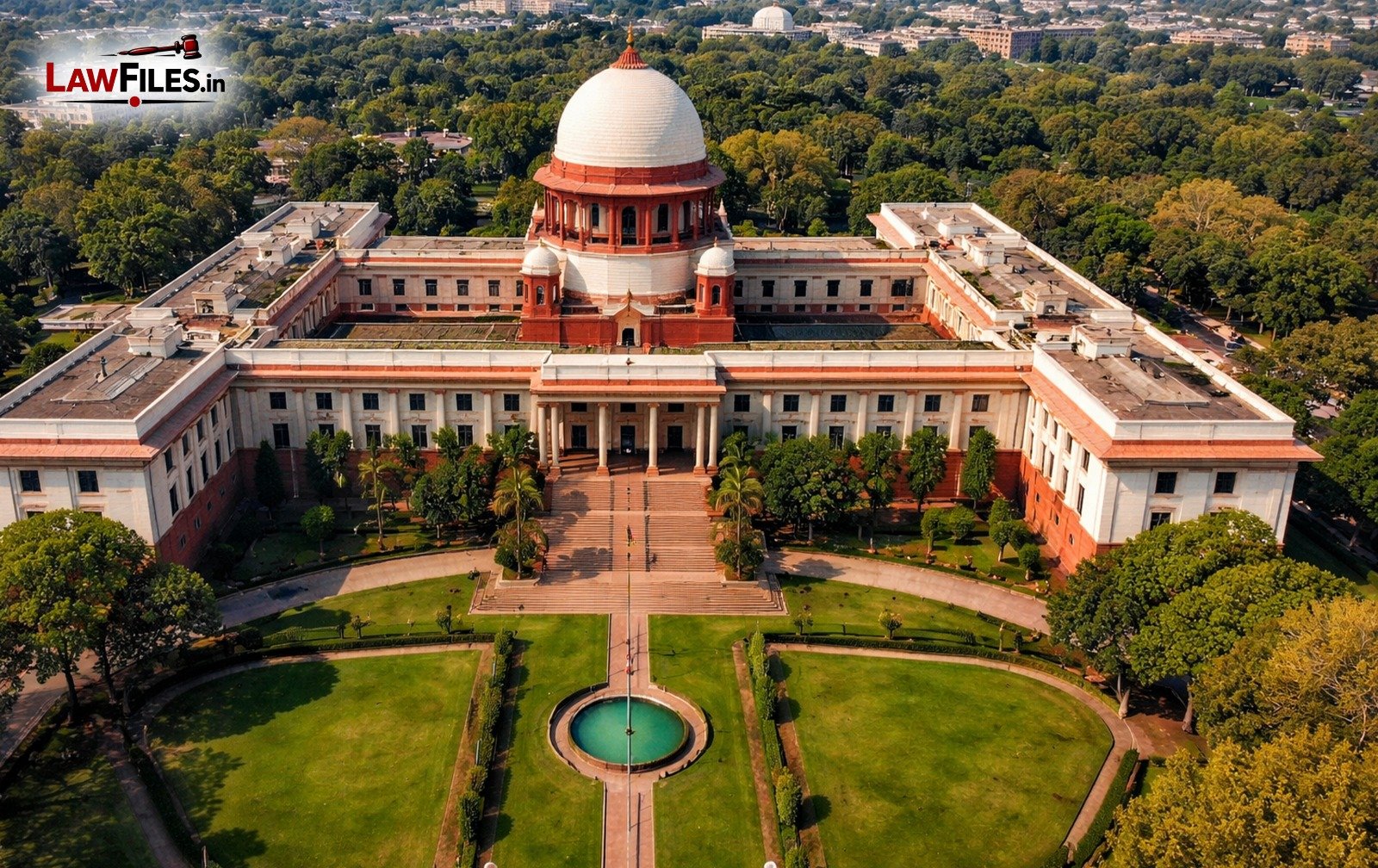
In a significant order blending criminal law with political context, the Supreme Court of India, while granting anticipatory bail to Congress leader Pawan Khera, made notable observations on the conduct of Assam Chief Minister Himanta Biswa Sharma, remarking that certain statements made against Khera during the electoral period were “unparliamentary.” The Court’s remarks situate the dispute not merely within the confines of criminal law, but within the broader terrain of politically charged speech and its legal consequences.
The case arises from allegations made by Khera concerning Riniki Bhuyan Sarma, particularly claims relating to multiple passports and foreign assets. These statements triggered a criminal complaint and FIR alleging offences including defamation and forgery. However, the Supreme Court, while granting relief, noted that the dispute was marked by “allegations and counter-allegations” deeply embedded in political rivalry, rather than constituting a straightforward criminal matter warranting custodial interrogation.
A crucial aspect of the Court’s reasoning lies in its acknowledgment of the political backdrop. It observed that Khera’s statements appeared to have been made “to gain political momentum,” but equally noted that the Chief Minister himself had responded with “unparliamentary remarks” in public statements placed on record. This dual recognition is significant it refrains from endorsing either side’s conduct while highlighting the reciprocal escalation of rhetoric in electoral politics.
From a legal standpoint, the Court’s order underscores the threshold for custodial interrogation in cases involving speech-based offences. Emphasising that personal liberty remains a “cherished fundamental right,” the Court held that arrest must be justified by compelling necessity, particularly where the dispute appears politically motivated. This aligns with a consistent judicial approach that discourages the use of criminal process as a tool of political contestation.
The Court’s remarks also implicitly engage with the jurisprudence of defamation and free speech. While false allegations can attract penal consequences, the Court appears cautious in allowing criminal law to be invoked in contexts where political speech however contentious forms the core of the dispute. By granting anticipatory bail, it ensures that investigation may proceed without immediate deprivation of liberty, thereby maintaining a balance between accountability and constitutional protection.
Critically analysed, the order reflects an emerging judicial sensitivity toward the misuse of criminal law in politically charged environments. The Court’s recognition that the case was “influenced by politics” suggests a willingness to look beyond the formal allegations and examine the surrounding context. This approach is particularly relevant in contemporary India, where legal proceedings increasingly intersect with electoral narratives and public discourse.
At the same time, the Court does not trivialise the seriousness of the allegations. It expressly leaves the question of veracity to be tested at trial, indicating that bail does not amount to exoneration. Instead, the focus remains on ensuring that pre-trial processes do not become punitive in nature a principle central to criminal jurisprudence.
Another noteworthy dimension is the Court’s indirect commentary on the quality of public discourse. By flagging “unparliamentary remarks” by a constitutional functionary, the Court reinforces the expectation that public officials adhere to a standard of civility and restraint. This observation resonates with recent judicial trends emphasising responsible speech, particularly by those occupying positions of power.
The case also highlights the evolving interface between politics and criminal law enforcement. Allegations of defamation, forgery, and misinformation are increasingly being litigated in courts, often against the backdrop of intense political rivalry. The judiciary’s role in such cases becomes particularly delicate requiring it to remain neutral while preventing the legal process from being weaponised.
In conclusion, the Supreme Court’s order in the Khera bail matter is not merely a procedural determination but a nuanced intervention at the intersection of law and politics. By granting relief while simultaneously critiquing the tenor of political exchanges, the Court reaffirms two foundational principles: that liberty cannot be casually curtailed, and that public discourse especially by those in authority must remain within the bounds of constitutional propriety.
