


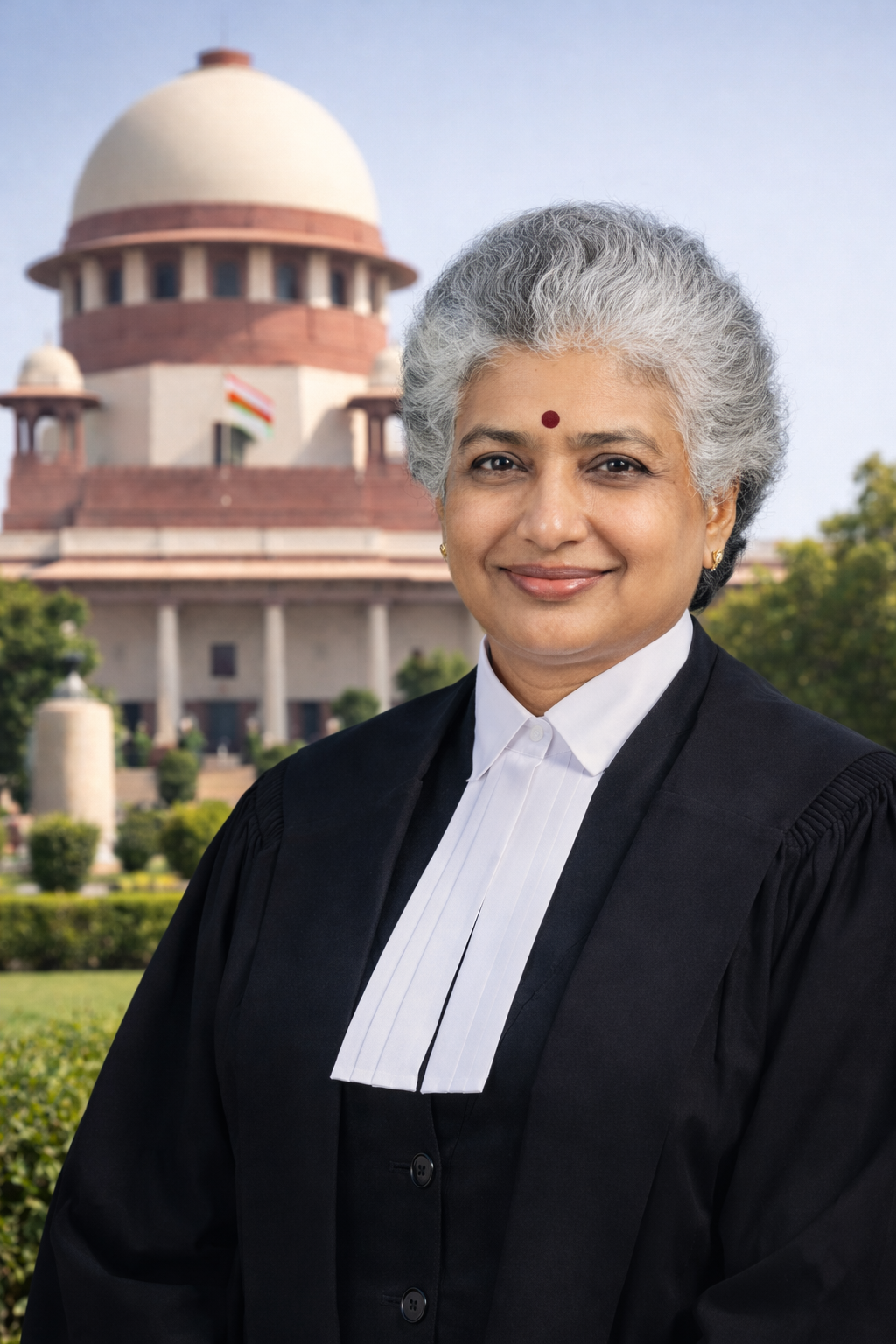
New Delhi, 28 February 2026: Justice BV Nagarathna of the Supreme Court of India delivered a powerful keynote address this week on the state of press freedom in the country, cautioning that economic and regulatory pressures pose a serious threat to independent journalism, even where direct censorship is constitutionally prohibited. She emphasised that a press sustained by its readers rather than reliant on corporate or state patronage is best placed to protect its independence and serve the public interest.
Speaking at the International Press Institute (IPI) India Award for Excellence in Journalism 2025 event held at the Constitution Club in New Delhi, Justice Nagarathna highlighted the constitutional foundations of press freedom under Articles 19(1)(a) (freedom of speech and expression) and 19(1)(g) (freedom to practise any profession) of the Constitution. She pointed out that while these guarantees protect journalism in law, **economic realities and legislative regulations can significantly shape how and whether journalism is practised in reality.
The ceremony also honoured Vaishnavi Rathore, a reporter with Scroll.in, with the IPI India Award for her investigative reporting. Rathore’s work on the environmental and social impact of the Great Nicobar Island Development Project was praised for its depth and public relevance, with Nagarathna underlining the role such reporting plays in democratic accountability.
Justice Nagarathna warned that corporate-owned media organisations, although formally independent, may be tethered to economic imperatives including advertising revenues, owner interests and regulatory environments that can limit adversarial reporting. She explained that media houses dependent on corporate funds or indirect state benefits through advertising and regulatory favour may shy away from critical coverage to preserve financial stability. The Hon’ble justice stressed that laws governing business, licensing, taxation and antitrust can indirectly influence editorial independence. Such regulations, though not aimed at censorship under Article 19(2), could still shape the conditions under which journalists operate, potentially leading to self-censorship or “selective journalism.”
She articulated a significant concern: even when the Constitution legally protects press freedom, economic dependency can weaken it in practice, questioning whether press freedom can truly exist if media viability is tied to financial forces that discourage robust reporting.
In her address, Justice Nagarathna urged civil society to view independent journalism as a “public good worth paying for”. She argued that a press sustained directly by readers through subscriptions and public support is better placed to resist political and corporate pressures and to pursue public interest reporting without fear of economic consequences.
Good journalism doesn’t run on goodwill alone. When someone takes a subscription, they’re really saying this kind of reporting is worth backing. A press sustained by its readers is always better placed to serve the public interest and fend off political pressures.”
Justice Nagarathna’s remarks drew a clear distinction between formal constitutional freedoms and their practical limitations. She highlighted that while Indian media does not face widespread direct censorship, indirect influences such as ownership structures, government advertising policies, licensing requirements, taxation and market competition — may shape news coverage and stifle critical reporting.
Analysts say her critique reflects a growing global concern about the health of media ecosystems, where economic pressures and regulatory frameworks increasingly intersect with political dynamics and editorial independence. In India’s context, these issues take on additional resonance amid intense debates over media bias, corporate ownership and “selective journalism.”
Justice Nagarathna concluded by reaffirming journalism’s central role in a democratic society as a conduit for truth, transparency and accountability. She stressed that independent reporting not only informs citizens but also reinforces constitutional values by ensuring that power is questioned and that public policy is scrutinised effectively.
Her address serves as a reminder that press freedom while constitutionally guaranteed requires vigilant protection not just against overt censorship, but also against subtler forms of influence that can shape public discourse and democratic accountability.
