


New Delhi, 24 Feb 2026: In a significant development in a high-profile anti-terror law case, the Supreme Court of India has declined to disturb the Jammu & Kashmir and Ladakh High Court’s order refusing bail to senior lawyer Mian Abdul Qayoom, the former president of the Kashmir High Court Bar Association, who is incarcerated in a matter registered under the Unlawful Activities (Prevention) Act, 1967 (UAPA).
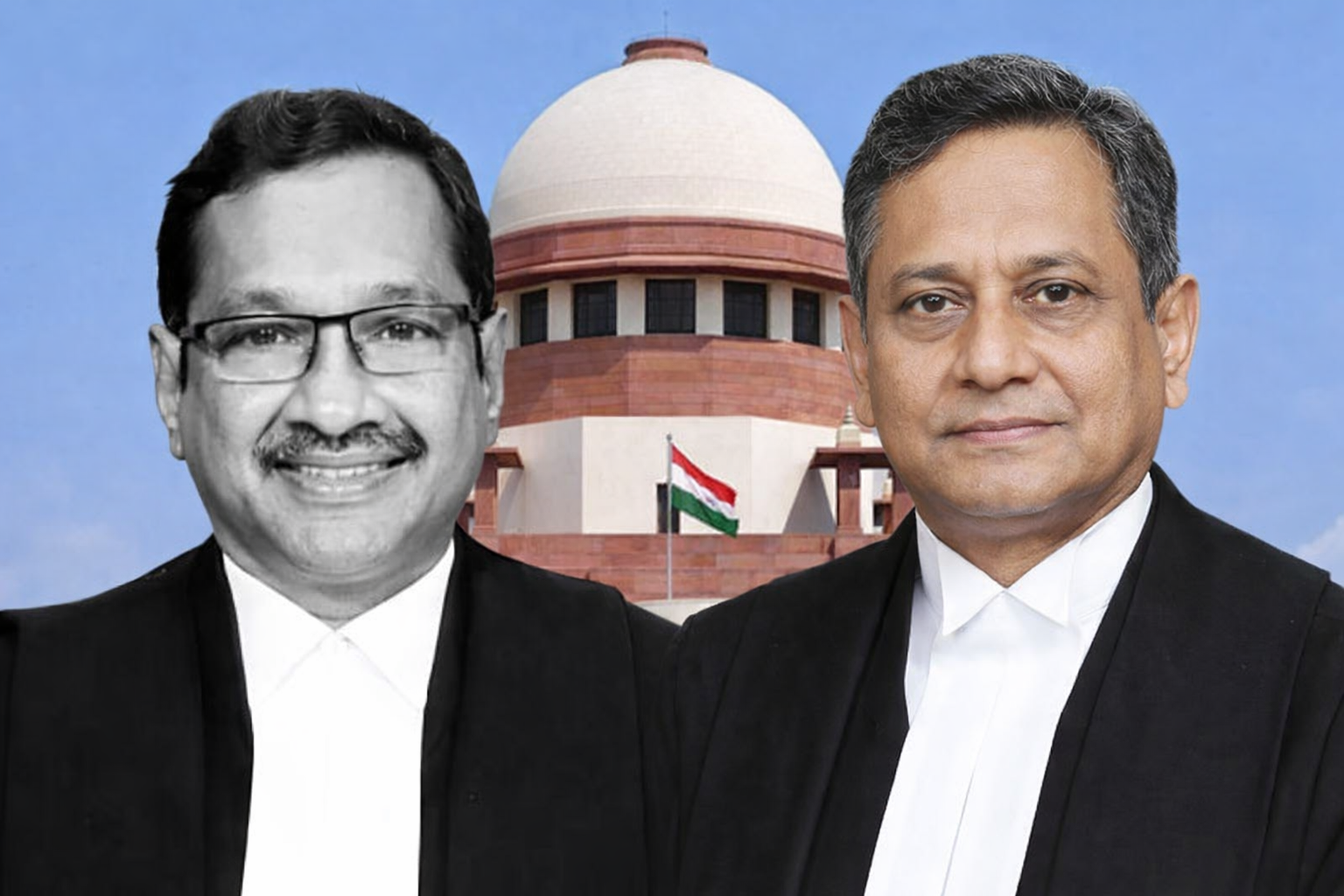
A bench comprising Justice M. M. Sundresh and Justice N. Kotiswar Singh made it clear that it would not intercede with the merits of the bail rejection. However, recognizing Qayoom’s advanced age and serious health concerns, the apex court stepped in on humanitarian grounds.
Instead of overturning the bail order, the Court directed the Director of the All India Institute of Medical Sciences (AIIMS), Jammu, to constitute a special medical board to conduct a comprehensive health evaluation of Qayoom, including an assessment of the need for palliative care and whether further treatment necessitates transfer to a facility in Delhi.
The medical panel has been instructed to prepare its report within three weeks, and the matter has been listed for further consideration on March 24, 2026.
Qayoom was arrested in June 2024 during the investigation into the murder of advocate Babar Qadri. The First Information Report was initially registered in 2020 under various provisions of the Indian Penal Code and the Arms Act, along with sections of the UAPA, after Qadri was shot and later died from his injuries.
Subsequent investigation by the National Investigation Agency (NIA) led to charges being framed against Qayoom and others. Following his incarceration, Qayoom’s legal team sought medical bail, citing his age-related ailments, including cardiac issues and a pacemaker, alongside other serious health concerns.
Both the trial court and the High Court declined the medical bail application, holding that adequate treatment was available in custody and that exceptional grounds for release had not been established. It was this decision that Qayoom challenged before the Supreme Court.
While stringent bail standards under the UAPA traditionally make relief difficult reflecting the statute’s intent to curb unlawful activities. Supreme Court jurisprudence does allow consideration of fundamental rights, including the right to life and health under Article 21 of the Constitution, particularly where an accused’s well-being is at risk.
This order underscores the judiciary’s balancing act: respecting legislative policy against easy bail in UAPA cases, while ensuring that custodial conditions do not endanger the physical health and dignity of prisoners. The report from AIIMS Jammu will be pivotal for any future orders on bail or other relief.
If you’d like, I can also prepare a brief explainer on the legal principles around bail under the UAPA and how courts have historically approached medical bail requests in similar cases.
