

Close Menu
LawFilesLawFiles

    Subscribe to Updates

    Get the latest creative news from FooBar about art, design and business.

    What's Hot

    Supreme Court Declines To Extend Pawan Khera’s Transit Anticipatory Bail: Reasserting Jurisdictional Discipline in Bail Law

    April 17, 2026

    Dowry Law and Victim Protection: Supreme Court Clarifies Immunity for Wife and Her Family

    April 17, 2026

    Women’s Reservation Law Notified: Reform Realised or Deferred Constitutional Promise?

    April 17, 2026
    Facebook X (Twitter) Instagram Threads
    Friday, April 17
    LawFilesLawFiles
    Facebook X (Twitter)
    • Home
      • Who We Are
      • Our Mission
      • Advisory board
      • Contact US
    • Supreme Court
    • High Courts
      • Gujarat High Court
      • Jharkhand High Court
      • Rajasthan High Court
      • Karnataka High Court
      • Andhra Pradesh High Court
      • Allahabad High Court
      • Himachal Pradesh High Court
      • Chhattisgarh High Court
      • Jammu & Kashmir and Ladakh High Court
      • Kerala High Court
      • Punjab and Haryana High Court
      • Patna High Court
      • Madhya Pradesh High Court
      • Madras High Court
      • Bombay High Court
      • Orissa High Court
      • Calcutta High Court
      • Meghalaya High Court
      • Delhi High Court
      • Manipur High Court
      • Gauhati High Court
    • Corporate
    • Taxation Laws
      • Income Tax
      • GST
      • Customs & Excise
    • Global Affairs
    • Articles
      • Former Judge’s’ Views
      • Senior Advocate
      • Policy Analysis
      • Tax Expert
    • PILS
      • Free/Affordable Legal Aid
      • PIL Cell
      • Law student Volunteer Cell (research & Drafting)
      • NGO & Legal services Authority Tie-ups
      • Online Legal Formats
      • Online Legal Help Form
    Subscribe Premium
    LawFilesLawFiles
    Home»Supreme Court»Supreme Court Transfers Cases to Itself After Allahabad High Court Failed to Deliver Verdict Six Years After Reserving Judgment
    Supreme Court

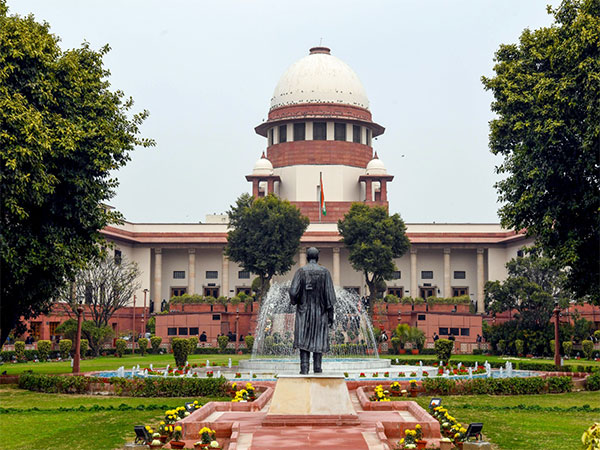
    Supreme Court Transfers Cases to Itself After Allahabad High Court Failed to Deliver Verdict Six Years After Reserving Judgment

    Anvita DwivediBy Anvita DwivediMarch 5, 2026No Comments4 Mins Read
    WhatsApp Facebook Twitter Copy Link
    Share
    Facebook Twitter Pinterest Copy Link WhatsApp

    New Delhi, 5 March 2026: In a rare and extraordinary move highlighting concerns over judicial delays, the Supreme Court of India has transferred a set of criminal revision petitions pending before the Allahabad High Court to itself after noting that the High Court had reserved judgment nearly six years ago without delivering a verdict. The apex court said such prolonged inaction had the potential to infringe the litigants’ fundamental rights and warranted exceptional intervention.

    The case arose from a petition filed before the Supreme Court complaining that the Allahabad High Court had reserved orders in three criminal revision petitions in 2020 but had not pronounced any judgment since then. The matters were connected to proceedings stemming from a 1994 murder case, where the trial and subsequent appellate process had already stretched over decades.

    Faced with the extraordinary delay, the Supreme Court invoked Article 139A of the Constitution of India, a provision that empowers the Court to transfer cases from High Courts to itself when circumstances require. The bench observed that while the apex court ordinarily does not entertain petitions under Article 32 merely seeking directions regarding listing or disposal of matters in High Courts, the present case was exceptional because the continued delay had effectively stalled the course of justice.

    The Supreme Court underscored that judicial delays in pronouncing reserved judgments can severely affect litigants’ rights and undermine public confidence in the justice system. The Court noted that the petitions had remained pending for years after arguments were completed, leaving the parties in a state of legal uncertainty.

    In view of this situation, the bench ordered that the criminal revision petitions be withdrawn from the Allahabad High Court and transferred to the Supreme Court itself, where they will now be heard and decided.

    The issue of delayed pronouncement of judgments is not new in Indian jurisprudence. In the landmark decision of Anil Rai v. State of Bihar (2001), the Supreme Court laid down guidelines stating that judgments should ordinarily be delivered within a reasonable time after arguments conclude, and if delays occur, parties may seek administrative or judicial remedies.

    Subsequent rulings and administrative directions have reiterated that if judgments remain reserved for prolonged periods, courts must take corrective measures  including reassignment of cases or monitoring mechanisms to prevent miscarriage of justice.

    Legal commentators have long warned that delayed judgments can undermine one of the foundational principles of justice the maxim “justice delayed is justice denied.” Courts themselves have recognised that prolonged uncertainty not only burdens litigants but also disrupts the criminal justice process, especially in cases where appeals or revisions affect liberty and criminal liability.

    The Supreme Court has previously expressed concern about delayed verdicts across courts and has periodically directed High Courts to track and report cases where judgments remain reserved for extended periods.

    The decision to transfer cases from a High Court to the Supreme Court is rare and constitutionally significant, reflecting the Court’s willingness to intervene where procedural stagnation threatens the fairness of the judicial process. By assuming jurisdiction over the delayed matters, the Supreme Court signaled that institutional accountability and timely justice are essential components of the rule of law.

    The order is likely to reignite discussion within the legal community about the need for stricter timelines and administrative monitoring mechanisms for reserved judgments, particularly in High Courts dealing with heavy caseloads.

    The Supreme Court’s intervention serves as a stark reminder that judicial delays cannot be allowed to indefinitely suspend litigants’ rights. By transferring the long-pending matters to itself, the apex court has sought to restore momentum in a case that had effectively remained frozen for years  reaffirming that the justice system must deliver not only correct outcomes but also timely decisions.


    Article 139A of the Constitution of India Supreme Court Transfers Cases to Itself After Allahabad High Court Failed to Deliver Verdict Six Years After Reserving Judgment
    Share. WhatsApp Facebook Twitter Pinterest Email
    Anvita Dwivedi

    Related Posts

    Supreme Court Declines To Extend Pawan Khera’s Transit Anticipatory Bail: Reasserting Jurisdictional Discipline in Bail Law

    April 17, 2026

    Dowry Law and Victim Protection: Supreme Court Clarifies Immunity for Wife and Her Family

    April 17, 2026

    Women’s Reservation Law Notified: Reform Realised or Deferred Constitutional Promise?

    April 17, 2026
    Add A Comment
    Leave A Reply Cancel Reply

    Demo
    Top Posts

    Wrongful Claim Rejection Amounts to Deficiency in Service: Delhi Consumer Commission Holds Star Health Liable

    March 16, 202655 Views

    Bombay High Court Quashes POCSO Case, Directs Accused to Fund MacBook for Victim’s Education

    February 28, 202648 Views

    Siyahat Meri Syahi Se: A Journey That Transforms Travel into Thought and Entrepreneurship

    March 18, 202636 Views

    Welfare or Electoral Strategy? Supreme Court’s Sharp Take on Pre-Poll Cash Schemes

    February 20, 202624 Views
    Don't Miss

    Supreme Court Declines To Extend Pawan Khera’s Transit Anticipatory Bail: Reasserting Jurisdictional Discipline in Bail Law

    By Anvita DwivediApril 17, 2026

    In a fresh setback to Congress leader Pawan Khera, the Supreme Court has declined to…

    Dowry Law and Victim Protection: Supreme Court Clarifies Immunity for Wife and Her Family

    April 17, 2026

    Women’s Reservation Law Notified: Reform Realised or Deferred Constitutional Promise?

    April 17, 2026

    Supreme Court Notice on Muslim Personal Law: Reopening the Constitutional Debate on Gender Equality and Faith

    April 16, 2026
    Stay In Touch
    • Facebook
    • Twitter

    Subscribe to Updates

    Get the latest creative news from SmartMag about art & design.

    Top Posts

    Wrongful Claim Rejection Amounts to Deficiency in Service: Delhi Consumer Commission Holds Star Health Liable

    March 16, 202655 Views

    Bombay High Court Quashes POCSO Case, Directs Accused to Fund MacBook for Victim’s Education

    February 28, 202648 Views

    Siyahat Meri Syahi Se: A Journey That Transforms Travel into Thought and Entrepreneurship

    March 18, 202636 Views
    Don't Miss

    Supreme Court Declines To Extend Pawan Khera’s Transit Anticipatory Bail: Reasserting Jurisdictional Discipline in Bail Law

    By Anvita DwivediApril 17, 2026

    In a fresh setback to Congress leader Pawan Khera, the Supreme Court has declined to…

    Dowry Law and Victim Protection: Supreme Court Clarifies Immunity for Wife and Her Family

    April 17, 2026

    Women’s Reservation Law Notified: Reform Realised or Deferred Constitutional Promise?

    April 17, 2026

    Supreme Court Notice on Muslim Personal Law: Reopening the Constitutional Debate on Gender Equality and Faith

    April 16, 2026
    Stay In Touch
    • Facebook
    • YouTube
    • TikTok
    • Instagram
    Top Trending
    About Us
    About Us

    LawFiles.in is a comprehensive legal news platform delivering real-time updates from the Supreme Court, High Courts, Tribunals, Corporate and Tax law, Regulators, Politics, Crime, Consumer cases, and Global Affairs.

    Email Us: lawfilesoffical@gmail.com
    Contact: +91 8800026066

    Contact Us:
    India International Centre
    40, Max Mueller Marg
    Lodhi Estate, New Delhi-110003

    Facebook X (Twitter)
    Our Picks

    Supreme Court Declines To Extend Pawan Khera’s Transit Anticipatory Bail: Reasserting Jurisdictional Discipline in Bail Law

    April 17, 2026

    Dowry Law and Victim Protection: Supreme Court Clarifies Immunity for Wife and Her Family

    April 17, 2026

    Women’s Reservation Law Notified: Reform Realised or Deferred Constitutional Promise?

    April 17, 2026

    Supreme Court Notice on Muslim Personal Law: Reopening the Constitutional Debate on Gender Equality and Faith

    April 16, 2026

    Free Speech or Incitement? Calcutta High Court Plea Against Suvendu Adhikari Rekindles Debate on Political Speech Limits

    April 16, 2026
    Most Popular

    ED Can Arrest Even If FIRs Are Added to ECIR Later: Punjab & Haryana High Court

    January 30, 20260 Views

    Non-Disclosure Of QCBS Criteria In Tender Alone Not Enough To Allege Malafides: Gauhati High Court

    January 31, 20260 Views

    Anticipatory Bail For Proclaimed Offenders: Evolution Of Law

    January 31, 20260 Views

    January 2026 Monthly Digest: Important Rulings of the Jammu & Kashmir and Ladakh High Court

    February 2, 20260 Views

    Custodial Death and State Liability : A Critical Analysis of the Allahabad High Court’s ₹10 Lakh Compensation Judgment

    February 22, 20260 Views
    © 2026 LawFiles. Owned by Varta24 Media.
    • Articles
    • Careers
    • Corporate
    • Global Affairs
    • Law Firms & Lawyers
    • PILS
    • Regulatory

    Type above and press Enter to search. Press Esc to cancel.