


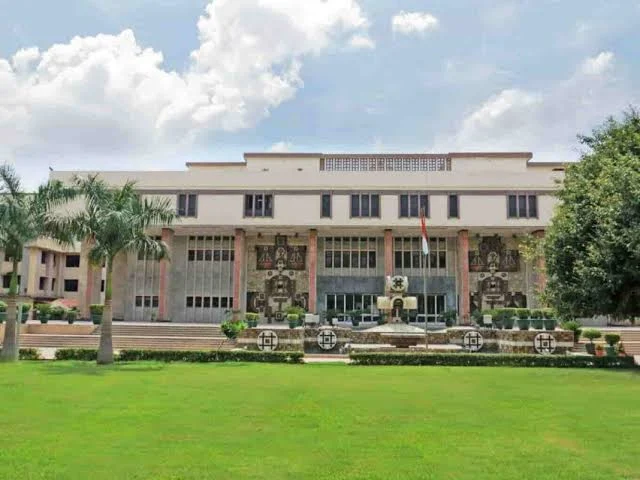
In a significant development reflecting the judiciary’s evolving response to digital identity misuse and celebrity rights, the Delhi High Court has granted interim protection to acclaimed actor Mohanlal, recognising the urgent need to safeguard personality rights against unauthorised commercial and digital exploitation.
The case, filed by the veteran Malayalam actor, raises critical questions about ownership of identity in the era of artificial intelligence, deepfakes, and online impersonation, marking another important milestone in India’s growing body of personality rights jurisprudence.
The actor approached the Delhi High Court seeking protection against the unauthorised use of his name, image, likeness, voice, and persona, particularly in the context of increasing misuse through digitally manipulated content and commercial exploitation.
Personality rights though not codified in a single statute—have been consistently recognised by Indian courts as encompassing right to control commercial use of one’s identity, protection against misrepresentation and impersonation an safeguards against misuse in advertisements, merchandise, and digital content
Acting on the plea, the High Court granted interim relief, restraining unauthorised entities from using Mohanlal’s name, image, or likeness, exploiting his persona for commercial gain without consent and circulating manipulated or misleading content associated with him
While the detailed contours of the injunction are subject to further proceedings, the order reflects a prima facie recognition of the actor’s exclusive rights over his persona.
The case reinforces a crucial doctrinal development that Personality rights are enforceable as a combination of privacy, publicity, and intellectual property rights.
Indian courts, particularly the Delhi High Court, have repeatedly held that:
- A celebrity’s identity constitutes a valuable commercial asset
- Unauthorised use amounts to misappropriation and unjust enrichment
- Protection extends even in absence of trademark or copyright registration
Earlier cases involving actors like Anil Kapoor, Amitabh Bachchan, and R. Madhavan have similarly resulted in broad injunctions against misuse of identity, especially in the context of AI-generated content.
The Digital Context: AI, Deepfakes and Identity Theft
The urgency of such litigation stems from a rapidly evolving technological landscape; AI tools can replicate voice, facial features, and mannerisms, Deepfake technology enables realistic but fabricated content. Social media allows rapid viral spread of manipulated identity-based content
Courts have increasingly acknowledged that such misuse goes beyond defamation it strikes at the core of identity, dignity, and economic rights. The Mohanlal case adds to a growing trend where celebrities are proactively seeking judicial intervention to prevent irreversible reputational and commercial harm.
The ruling reinforces that personality rights are legally protectable even without explicit statutory backing, relying on constitutional and common law principles.
The Court’s intervention reflects a shift from traditional misuse (merchandise, advertisements) to digital and AI-driven exploitation.
By granting interim relief, the Court has adopted a preventive stance, recognising that harm from identity misuse is often irreparable once content circulates online.
The case engages multiple constitutional protections under Article 21 Right to privacy and dignity (including control over identity) and under Article 19(1)(a) Freedom of expression (balanced against misuse and misrepresentation)
Courts have consistently held that while free speech allows criticism, parody, and commentary, it does not extend to unauthorised commercial exploitation or deceptive impersonation.
The Mohanlal case is part of a broader judicial trend that Delhi High Court has granted similar protection to Vivek Oberoi, Jubin Nautiyal, Kajol, and others against AI misuse and deepfakes. High Courts across India are increasingly treating personality rights as quasi-property rights deserving injunctive protection. This signals a transition toward recognising identity as an economic and legal asset in the digital economy.
The case strengthens the legal framework for tackling AI-driven impersonation and digital fraud. It affirms that public figures retain exclusive control over monetisation of their persona.
The ruling demonstrates that courts are adapting traditional legal principles to modern technological threats.
The Delhi High Court’s interim protection to Mohanlal marks a critical step in India’s evolving personality rights jurisprudence, especially in the face of AI, deepfakes, and digital exploitation.
By recognising identity as a legally protectable interest, the Court has reaffirmed a powerful principle that in the digital age, a person’s persona is not merely symbolic it is a proprietary and constitutional right that cannot be commercially exploited without consent.
As technology continues to blur the boundaries between real and artificial representation, such judicial interventions will play a defining role in shaping the future of privacy, identity, and intellectual property law in India.
