


The Delhi High Court on Saturday stayed a controversial notification issued by the Delhi government that required private unaided schools in the national capital to constitute school-level fee regulation committees (SLFRCs) and submit proposed fee structures for the next three academic years. The interim order provides immediate relief to schools while challenges to the notification proceed before the court.
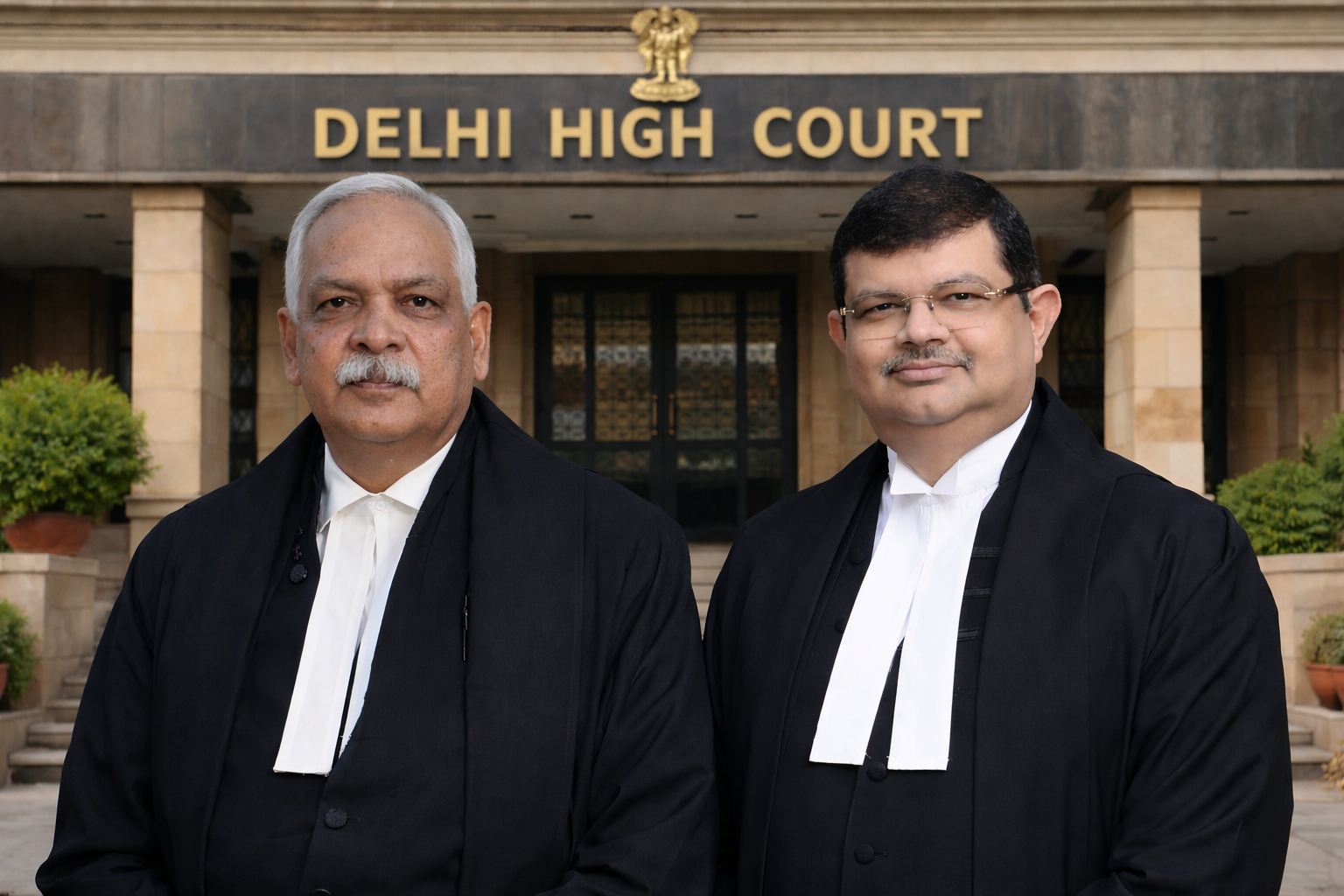
A Division Bench comprising Chief Justice Devendra Kumar Upadhyaya and Justice Tejas Karia passed the stay order, holding that the government’s February 1 notification titled “Delhi School Education (Removal of Difficulties) Order, 2026” shall remain in abeyance until the matter is finally heard by the High Court. As a result, private schools are entitled to collect the same fees for the 2026–27 academic year that they levied in 2025–26, subject to the final outcome of the litigation.
The order specifically suspended the operation and implementation of clauses 3(1) and 3(2) of the notification which dealt with the deadline for constituting SLFRCs and the timeline for submitting proposed fees until the case is heard on merits on 12 March 2026.
Several school associations including the Delhi Public School Society, the Action Committee of Unaided Recognised Private Schools, the Forum of Minority Schools, the Forum for Promotion of Quality Education for All, the Rohini Educational Society, and the Association of Public Schools filed petitions before the High Court questioning the legality of the February 1 directive.
The petitioners argued that the government could not override the statutory timelines laid down in the Delhi School Education (Transparency in Fixation and Regulation of Fees) Act, 2025 through an executive notification. Under the Act, SLFRCs are required to be formed by 15 July each year, but the government’s order sought to advance the deadline to 10 February — a significant acceleration that schools said was not authorised by the parent legislation.
The Delhi government had contended that timelines in the Act were procedural and open to reasonable modification and that the February 1 notification was a one-time measure intended to “smoothen” implementation of the new fee-regulation framework after queries were raised in litigation before the Supreme Court. The government also assured that the new fee law would not apply to the 2025–26 academic year, aligning implementation with the 2026–27 session.
The backdrop to the dispute includes renewed focus on fee regulation in Delhi following the enactment of the Transparency in Fixation and Regulation of Fees Act, 2025 a legislative response to sustained parental concerns about arbitrary and steep fee hikes in private schools. Under the Act, private unaided schools are required to justify fee increases to a shared committee of parents, teachers and officials, with the aim of enhancing transparency and accountability in fee fixation.
With the stay order in place, private schools can continue charging existing fees for the 2026–27 academic year without immediately implementing the new committee-based fee determination process. Parents and students will, however, be closely monitoring the March 12 hearing, which is expected to examine the legal validity of the notification and whether the government can alter statutory timelines through executive action.
The High Court’s interim ruling underscores judicial scrutiny of policy efforts to regulate education markets and highlights ongoing tensions between statutory frameworks for fee transparency and institutional autonomy claimed by private schools.
