


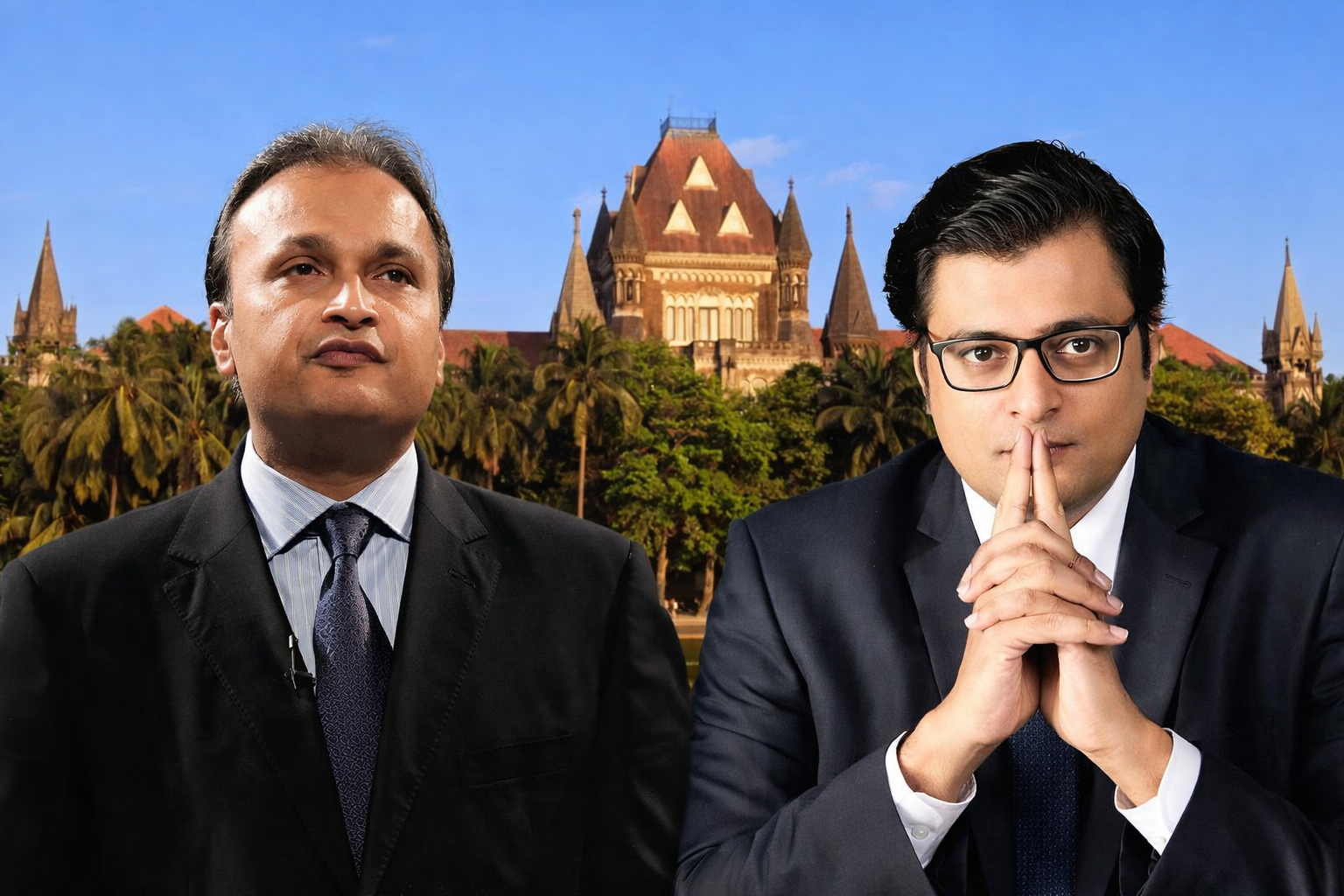
In a recent development that sits at the intersection of corporate law and media regulation, Anil Ambani has instituted a civil defamation suit alleging that sustained reportage by Republic TV has caused irreparable injury to his reputation. The matter is slated for hearing before Justice Milind Jadhav on April 1, where the court will consider interim relief, including injunctive measures.
At the core of the dispute lies Ambani’s contention that repeated broadcasts and digital publications have wrongly linked him to regulatory investigations involving certain Reliance Group entities, thereby creating a misleading public perception of personal culpability.
Allegations of Misrepresentation and “Malicious Reporting”
The suit identifies multiple publications and broadcasts termed as “offending statements” which allegedly associate Ambani with ongoing probes by the Enforcement Directorate concerning companies such as Reliance Communications, Reliance Home Finance, and Reliance Commercial Finance.
Ambani’s legal position is structured around two critical assertions:
- Corporate Separateness Doctrine: The companies under investigation are distinct legal entities, and their liabilities cannot be automatically attributed to him.
- Absence of Managerial Control: He claims to have resigned from key positions, including stepping down as non-executive director of Reliance Communications in 2019, and therefore had no role in operational decision-making during the relevant period.
The plaint further alleges that despite this knowledge, the defendants continued to publish content that sensationalised and personalised corporate investigations, employing language suggestive of fraud and financial misconduct. The reliefs sought in the suit reflect a classic defamation framework under Indian civil law. Permanent and Interim Injunction restraining further publication or dissemination of allegedly defamatory material; Takedown of Existing Content across television and digital platforms and Damages for Reputational Harm, including both pecuniary loss and injury to goodwill. Ancillary reliefs to prevent continued circulation of allegedly false narratives.
The plea emphasizes that the defendants’ actions were “mala fide and reckless”, causing not only reputational harm but also tangible financial consequences. This case revives a long-standing constitutional tension between Article 19(1)(a): Freedom of speech and expression (including press freedom), and Article 21: Right to reputation as part of the right to life and dignity.
Indian courts have consistently held that while investigative journalism is protected, it must adhere to standards of due diligence, factual accuracy, and absence of malice. The Supreme Court has also recognised reputation as an integral facet of dignity, thereby allowing civil remedies where reporting crosses into defamation.
Notably, prior judicial interventions in media defamation disputes have cautioned against trial by media, especially where reporting imputes guilt in ongoing investigations without adjudication.
Beyond the immediate dispute, the litigation carries broader implications such as Editorial Responsibility: Whether news platforms can attribute liability to individuals based on corporate investigations without clear evidentiary linkage, Standard of Verification: The extent of due diligence required before publishing investigative content involving high-profile individuals and Digital Amplification: The role of social media dissemination in aggravating reputational harm.
The case is also likely to test the threshold for granting pre-publication or post-publication injunctions in defamation matters a domain where courts traditionally exercise caution to avoid chilling free speech.
The defamation suit filed by Anil Ambani marks another significant legal confrontation between corporate reputation and aggressive media reportage. As the Bombay High Court examines the plea for injunctive relief, the outcome could contribute to evolving jurisprudence on media ethics, corporate liability attribution, and the enforceability of reputational rights in the digital age.
In an era where televised narratives often precede judicial findings, this litigation underscores a crucial legal question: Where should the line be drawn between public interest journalism and reputational injury?
