

Close Menu
LawFilesLawFiles

    Subscribe to Updates

    Get the latest creative news from FooBar about art, design and business.

    What's Hot

    Dowry Law and Victim Protection: Supreme Court Clarifies Immunity for Wife and Her Family

    April 17, 2026

    Women’s Reservation Law Notified: Reform Realised or Deferred Constitutional Promise?

    April 17, 2026

    Supreme Court Notice on Muslim Personal Law: Reopening the Constitutional Debate on Gender Equality and Faith

    April 16, 2026
    Facebook X (Twitter) Instagram Threads
    Friday, April 17
    LawFilesLawFiles
    Facebook X (Twitter)
    • Home
      • Who We Are
      • Our Mission
      • Advisory board
      • Contact US
    • Supreme Court
    • High Courts
      • Gujarat High Court
      • Jharkhand High Court
      • Rajasthan High Court
      • Karnataka High Court
      • Andhra Pradesh High Court
      • Allahabad High Court
      • Himachal Pradesh High Court
      • Chhattisgarh High Court
      • Jammu & Kashmir and Ladakh High Court
      • Kerala High Court
      • Punjab and Haryana High Court
      • Patna High Court
      • Madhya Pradesh High Court
      • Madras High Court
      • Bombay High Court
      • Orissa High Court
      • Calcutta High Court
      • Meghalaya High Court
      • Delhi High Court
      • Manipur High Court
      • Gauhati High Court
    • Corporate
    • Taxation Laws
      • Income Tax
      • GST
      • Customs & Excise
    • Global Affairs
    • Articles
      • Former Judge’s’ Views
      • Senior Advocate
      • Policy Analysis
      • Tax Expert
    • PILS
      • Free/Affordable Legal Aid
      • PIL Cell
      • Law student Volunteer Cell (research & Drafting)
      • NGO & Legal services Authority Tie-ups
      • Online Legal Formats
      • Online Legal Help Form
    Subscribe Premium
    LawFilesLawFiles
    Home»Supreme Court»Coaching Institutes Fueling Resistance to 3-Year Practice Rule for Judicial Service: Justice K. Vinod Chandran
    Supreme Court

    Coaching Institutes Fueling Resistance to 3-Year Practice Rule for Judicial Service: Justice K. Vinod Chandran

    Anvita DwivediBy Anvita DwivediMarch 14, 2026No Comments4 Mins Read
    WhatsApp Facebook Twitter Copy Link
    Share
    Facebook Twitter Pinterest Copy Link WhatsApp

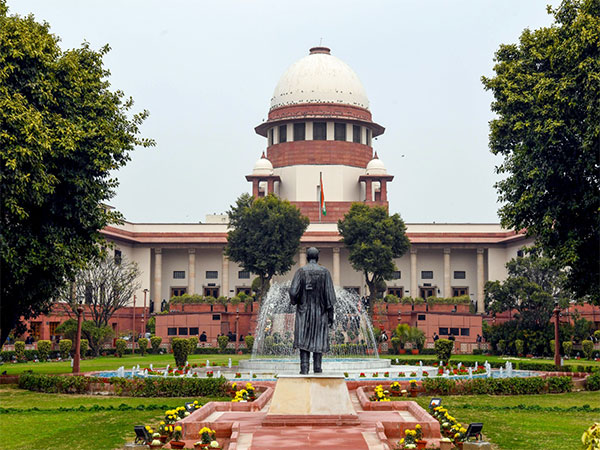
    The Supreme Court of India on Thursday heard review petitions challenging its earlier decision mandating three years of legal practice as a prerequisite for entry into judicial service. During the hearing, Justice K. Vinod Chandran remarked that much of the opposition to the rule appears to be influenced by the growing ecosystem of coaching centres that prepare candidates for judicial examinations.

    The observation was made by a bench led by Chief Justice of India Surya Kant, also comprising Justices Augustine George Masih and K. Vinod Chandran, while hearing review petitions against the Court’s May 2025 judgment restoring the three-year practice requirement for entry-level judicial posts such as Civil Judge (Junior Division).

    Court Flags Coaching-Driven Preparation Culture

    During the proceedings, Senior Advocate Pinky Anand argued that the three-year practice requirement could delay the entry of young legal professionals into the judiciary. According to her, candidates often spend significant time preparing for competitive examinations, and the additional requirement of courtroom practice could raise the average age of entry into judicial service.

    Responding to these submissions, Justice Chandran observed that the present recruitment ecosystem has increasingly shifted towards coaching-based preparation rather than genuine legal exposure through litigation. Drawing from his experience in judicial appointments and interviews, the judge noted that the reliance on coaching centres has become a structural concern in the process of selecting judicial officers.

    The remark reflected the Court’s concern that examination-oriented preparation alone may not adequately equip candidates with the practical understanding required for adjudication.

    The controversy arises from the Supreme Court’s 2025 ruling restoring the requirement of at least three years of practice at the Bar for candidates aspiring to join the subordinate judiciary. The decision marked a departure from the earlier system introduced in 2002, which had allowed fresh law graduates to appear directly in judicial service examinations without prior professional experience.

    The Court had justified the restoration of the rule on the ground that judicial officers must possess practical courtroom exposure and professional maturity, which cannot be substituted solely by academic knowledge or training programmes.

    Review Petitions and Policy Debate

    Following the judgment, several petitions were filed seeking reconsideration of the rule. Petitioners have argued that the practice requirement may discourage talented law graduates from pursuing judicial careers and may disproportionately affect candidates who rely on competitive examinations as their primary entry route into the profession.

    During earlier hearings, the Court also acknowledged concerns regarding the rule’s impact on certain categories of candidates, including women and persons with disabilities, and invited suggestions from High Courts and law universities on possible adjustments to the policy framework.

    Possible Reforms Under Consideration

    While hearing the review petitions, the Court has been examining whether the rule should remain mandatory or whether alternative mechanisms such as structured judicial training programmes could serve as substitutes for the experience requirement.

    However, the bench indicated that the broader objective remains ensuring that judicial recruits possess adequate practical exposure to litigation before assuming adjudicatory responsibilities.

    The outcome of the review proceedings is likely to have a significant impact on the future structure of judicial recruitment in India. The three-year practice requirement directly affects thousands of law graduates who aspire to join the subordinate judiciary through state judicial service examinations.

    At the same time, the Court’s remarks during the hearing highlight a deeper institutional concern: the growing influence of examination-oriented coaching systems in shaping judicial recruitment patterns, potentially at the cost of practical courtroom experience.

    The matter is expected to be taken up again by the Supreme Court as it continues to deliberate on the future of the three-year practice rule and its implications for the quality and structure of the Indian judiciary.

    Coaching Institutes Fueling Resistance to 3-Year Practice Rule for Judicial Service Justice K. Vinod Chandran
    Share. WhatsApp Facebook Twitter Pinterest Email
    Anvita Dwivedi

    Related Posts

    Dowry Law and Victim Protection: Supreme Court Clarifies Immunity for Wife and Her Family

    April 17, 2026

    Supreme Court Notice on Muslim Personal Law: Reopening the Constitutional Debate on Gender Equality and Faith

    April 16, 2026

    Seat vs Venue in Arbitration: Supreme Court Reaffirms Jurisdictional Clarity in a Fragmented Jurisprudence

    April 16, 2026
    Add A Comment
    Leave A Reply Cancel Reply

    Demo
    Top Posts

    Wrongful Claim Rejection Amounts to Deficiency in Service: Delhi Consumer Commission Holds Star Health Liable

    March 16, 202655 Views

    Bombay High Court Quashes POCSO Case, Directs Accused to Fund MacBook for Victim’s Education

    February 28, 202648 Views

    Siyahat Meri Syahi Se: A Journey That Transforms Travel into Thought and Entrepreneurship

    March 18, 202636 Views

    Welfare or Electoral Strategy? Supreme Court’s Sharp Take on Pre-Poll Cash Schemes

    February 20, 202624 Views
    Don't Miss

    Dowry Law and Victim Protection: Supreme Court Clarifies Immunity for Wife and Her Family

    By Anvita DwivediApril 17, 2026

    In a significant clarification of dowry law jurisprudence, the Supreme Court has held that a…

    Women’s Reservation Law Notified: Reform Realised or Deferred Constitutional Promise?

    April 17, 2026

    Supreme Court Notice on Muslim Personal Law: Reopening the Constitutional Debate on Gender Equality and Faith

    April 16, 2026

    Free Speech or Incitement? Calcutta High Court Plea Against Suvendu Adhikari Rekindles Debate on Political Speech Limits

    April 16, 2026
    Stay In Touch
    • Facebook
    • Twitter

    Subscribe to Updates

    Get the latest creative news from SmartMag about art & design.

    Top Posts

    Wrongful Claim Rejection Amounts to Deficiency in Service: Delhi Consumer Commission Holds Star Health Liable

    March 16, 202655 Views

    Bombay High Court Quashes POCSO Case, Directs Accused to Fund MacBook for Victim’s Education

    February 28, 202648 Views

    Siyahat Meri Syahi Se: A Journey That Transforms Travel into Thought and Entrepreneurship

    March 18, 202636 Views
    Don't Miss

    Dowry Law and Victim Protection: Supreme Court Clarifies Immunity for Wife and Her Family

    By Anvita DwivediApril 17, 2026

    In a significant clarification of dowry law jurisprudence, the Supreme Court has held that a…

    Women’s Reservation Law Notified: Reform Realised or Deferred Constitutional Promise?

    April 17, 2026

    Supreme Court Notice on Muslim Personal Law: Reopening the Constitutional Debate on Gender Equality and Faith

    April 16, 2026

    Free Speech or Incitement? Calcutta High Court Plea Against Suvendu Adhikari Rekindles Debate on Political Speech Limits

    April 16, 2026
    Stay In Touch
    • Facebook
    • YouTube
    • TikTok
    • Instagram
    Top Trending
    About Us
    About Us

    LawFiles.in is a comprehensive legal news platform delivering real-time updates from the Supreme Court, High Courts, Tribunals, Corporate and Tax law, Regulators, Politics, Crime, Consumer cases, and Global Affairs.

    Email Us: lawfilesoffical@gmail.com
    Contact: +91 8800026066

    Contact Us:
    India International Centre
    40, Max Mueller Marg
    Lodhi Estate, New Delhi-110003

    Facebook X (Twitter)
    Our Picks

    Dowry Law and Victim Protection: Supreme Court Clarifies Immunity for Wife and Her Family

    April 17, 2026

    Women’s Reservation Law Notified: Reform Realised or Deferred Constitutional Promise?

    April 17, 2026

    Supreme Court Notice on Muslim Personal Law: Reopening the Constitutional Debate on Gender Equality and Faith

    April 16, 2026

    Free Speech or Incitement? Calcutta High Court Plea Against Suvendu Adhikari Rekindles Debate on Political Speech Limits

    April 16, 2026

    Seat vs Venue in Arbitration: Supreme Court Reaffirms Jurisdictional Clarity in a Fragmented Jurisprudence

    April 16, 2026
    Most Popular

    ED Can Arrest Even If FIRs Are Added to ECIR Later: Punjab & Haryana High Court

    January 30, 20260 Views

    Non-Disclosure Of QCBS Criteria In Tender Alone Not Enough To Allege Malafides: Gauhati High Court

    January 31, 20260 Views

    Anticipatory Bail For Proclaimed Offenders: Evolution Of Law

    January 31, 20260 Views

    January 2026 Monthly Digest: Important Rulings of the Jammu & Kashmir and Ladakh High Court

    February 2, 20260 Views

    Custodial Death and State Liability : A Critical Analysis of the Allahabad High Court’s ₹10 Lakh Compensation Judgment

    February 22, 20260 Views
    © 2026 LawFiles. Owned by Varta24 Media.
    • Articles
    • Careers
    • Corporate
    • Global Affairs
    • Law Firms & Lawyers
    • PILS
    • Regulatory

    Type above and press Enter to search. Press Esc to cancel.