


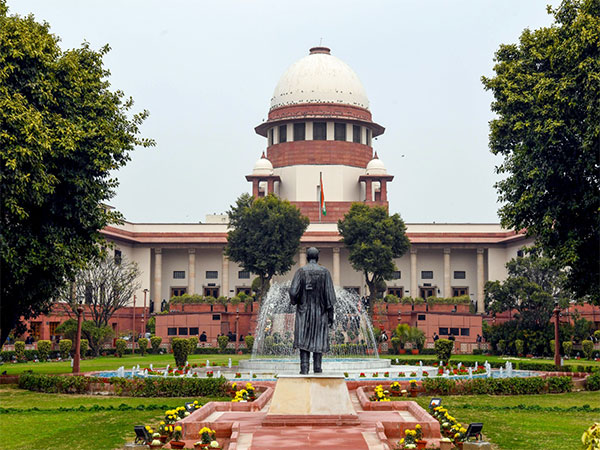
In a development that has sparked a significant debate on academic freedom and institutional integrity, the Supreme Court of India has taken suo motu cognisance of a controversial chapter in a Class 8 Social Science textbook published by the National Council of Educational Research and Training (NCERT) which referred to “corruption in the judiciary.” The Court’s intervention has led to contempt proceedings and a nationwide withdrawal of the textbook, highlighting the judiciary’s concern over how institutional credibility is portrayed in school curricula.
The issue came to light when senior lawyers flagged the contents of the textbook before the Court. Disturbed by the reference to “corruption in the judiciary” being taught to school students, Chief Justice Surya Kant stated that the judiciary could not allow its institutional credibility to be undermined in a manner that might influence young and impressionable minds.
Soon thereafter, the Court registered a suo motu case titled “In Re: Social Science Textbook for Grade-8 (Part 2) published by NCERT and ancillary issues.” The matter was placed before a bench comprising the Chief Justice along with Justices Joymalya Bagchi and Vipul M Pancholi.
During the proceedings, the Court expressed serious reservations about the inclusion of a section titled “Corruption in the Judiciary” within a chapter discussing the role of courts in India. The bench observed that such a topic, when presented without adequate context or scholarly balance, could unfairly damage the reputation of the judicial institution.
Consequently, the Court directed that the textbook be withdrawn from circulation nationwide, including both physical copies and digital versions. It also issued show-cause notices for possible contempt proceedings against senior officials associated with the publication of the material, including the NCERT Director and officials of the education department.
The Court sought details of the committee responsible for approving the chapter, including the names, qualifications and roles of the individuals involved in drafting and vetting the material.
NCERT Issues Public Apology
Following the Court’s strong observations, NCERT issued a public apology and announced that the textbook would be withdrawn pending review. The institution acknowledged that the inclusion of the contentious material was an error of judgment and assured the Court that the content would be revisited to ensure greater accuracy and sensitivity in educational materials.
The Central government also informed the Court that a broader review of school textbooks would be undertaken through an expert panel to prevent similar controversies in the future.
The controversy has opened a broader constitutional debate on the limits of criticism of public institutions and the scope of contempt jurisdiction. On one hand, the judiciary has emphasised the need to safeguard public confidence in constitutional institutions. On the other, scholars and commentators have pointed out that discussions on systemic challenges within the judiciary are part of legitimate academic discourse.
The Court’s concern appears rooted in the pedagogical context: presenting allegations of corruption without sufficient nuance in a school-level textbook, the bench suggested, could create a distorted perception among students about the functioning of courts.
The episode underscores the delicate balance between protecting the dignity of constitutional institutions and allowing critical engagement with them in educational discourse. While the judiciary has emphasised that criticism of the legal system is not impermissible, it has also insisted that such criticism must be responsible, accurate and contextualised.
As the proceedings continue, the case may ultimately shape the contours of how institutions like the judiciary are discussed within educational frameworks and where the law draws the line between legitimate critique and contempt of court.
