


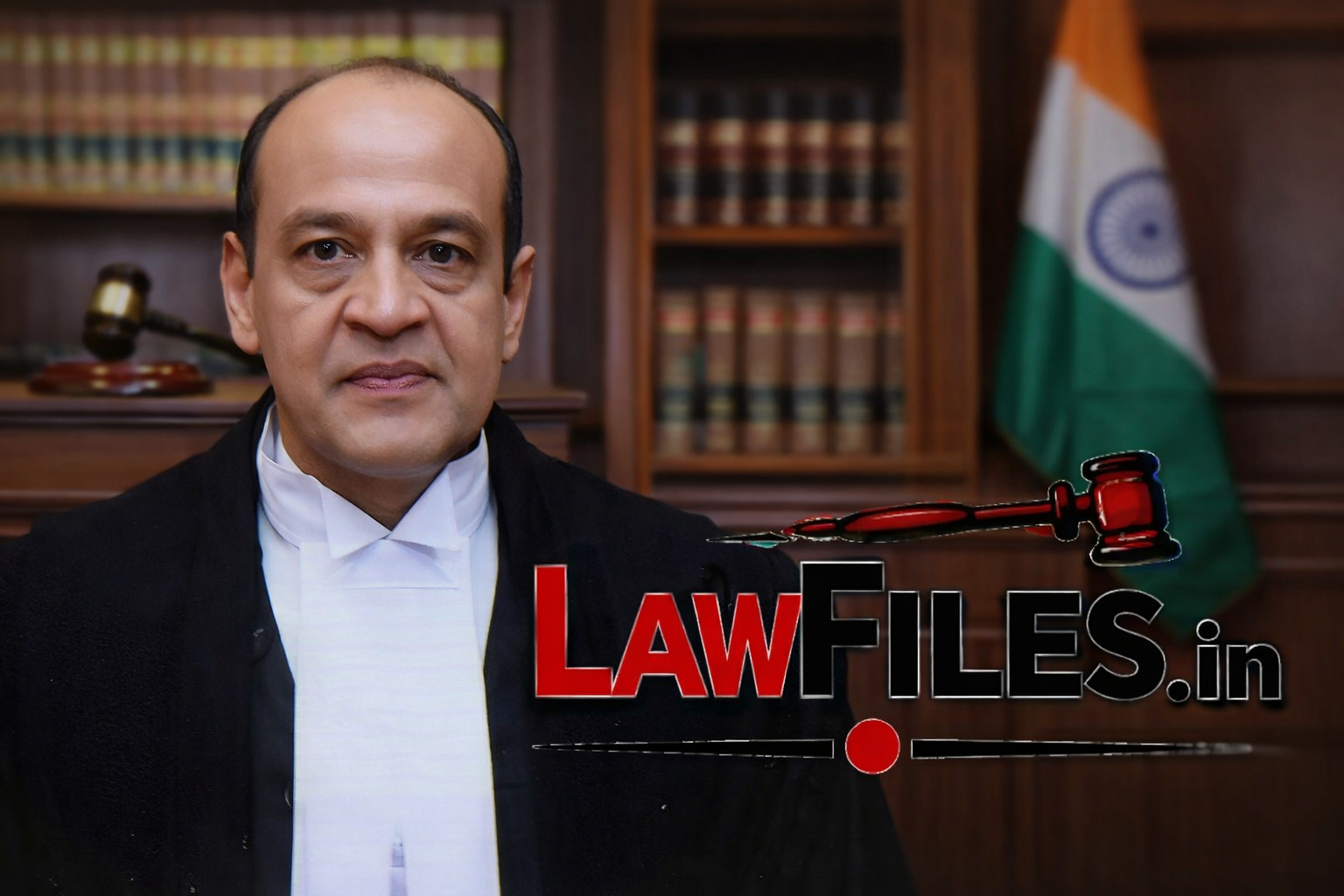
In a significant and rare development in India’s constitutional landscape, Justice Yashwant Varma of the Allahabad High Court has tendered his resignation to the President of India amid ongoing impeachment proceedings triggered by serious allegations of misconduct.
The resignation comes at a critical juncture when institutional processes for judicial accountability were already underway thereby raising complex legal questions about the interaction between resignation and constitutional removal proceedings under Articles 124(4) and 217 of the Constitution.
The controversy surrounding Justice Varma traces back to a fire incident at his official residence in New Delhi, during which unaccounted cash was allegedly discovered, sparking a nationwide debate on judicial probity. The gravity of the allegations led to an in-house judicial inquiry initiated under established Supreme Court procedures, withdrawal of judicial work and subsequent transfer to the Allahabad High Court and filing of impeachment motions by Members of Parliament in both Houses
Subsequently, a three-member inquiry committee under the Judges (Inquiry) Act, 1968 was constituted to examine the allegations. Justice Varma had challenged the constitution of the inquiry committee before the Supreme Court. However, the Court declined to interfere, effectively allowing the impeachment process to proceed.
The Court’s stance reinforced a key constitutional principle that judicial independence cannot shield a judge from accountability mechanisms expressly provided under law. The resignation introduces a nuanced constitutional issue: Does resignation render impeachment proceedings infructuous? Or can Parliament continue proceedings to record findings on alleged misconduct?
Traditionally, impeachment proceedings are designed not merely to remove a judge but to publicly establish accountability for “proved misbehaviour or incapacity”.
However, resignation once accepted may technically terminate the judge’s tenure, thereby complicating the continuation of removal proceedings. The episode underscores a long-standing constitutional tension. Judicial Independence ensures that judges are insulated from political pressure. Judicial Accountability demands transparency and consequences in cases of misconduct
India’s impeachment mechanism requiring a special majority in Parliament has historically been rare and difficult to conclude, making this case particularly significant.
Justice Varma’s resignation is likely to have wider ramifications. It may prompt a re-evaluation of the effectiveness of impeachment as a disciplinary tool. It raises the need for clearer statutory guidance on post-resignation accountability. It may accelerate discussions on creating independent judicial oversight bodies. The case also highlights the limitations of the current system, where in-house inquiries lack enforceability, and impeachment remains the only formal removal mechanism.
At a broader level, the controversy has implications for public trust in the judiciary. Allegations involving members of the higher judiciary are rare, but when they arise, they test the system’s ability to respond with transparency, fairness, and institutional integrity. The fact that impeachment proceedings were initiated with substantial parliamentary backing reflects a rare convergence of political will and institutional concern.
Justice Yashwant Varma’s resignation marks a pivotal moment in India’s judicial history one that goes beyond an individual case to question the efficacy of constitutional accountability mechanisms for judges.
While resignation may bring an end to formal tenure, it does not extinguish the larger constitutional debate: how should a democratic system ensure that judicial independence coexists with credible, enforceable accountability? As this episode unfolds, it may well serve as a catalyst for rethinking the architecture of judicial discipline, transparency, and public confidence in the rule of law.
