


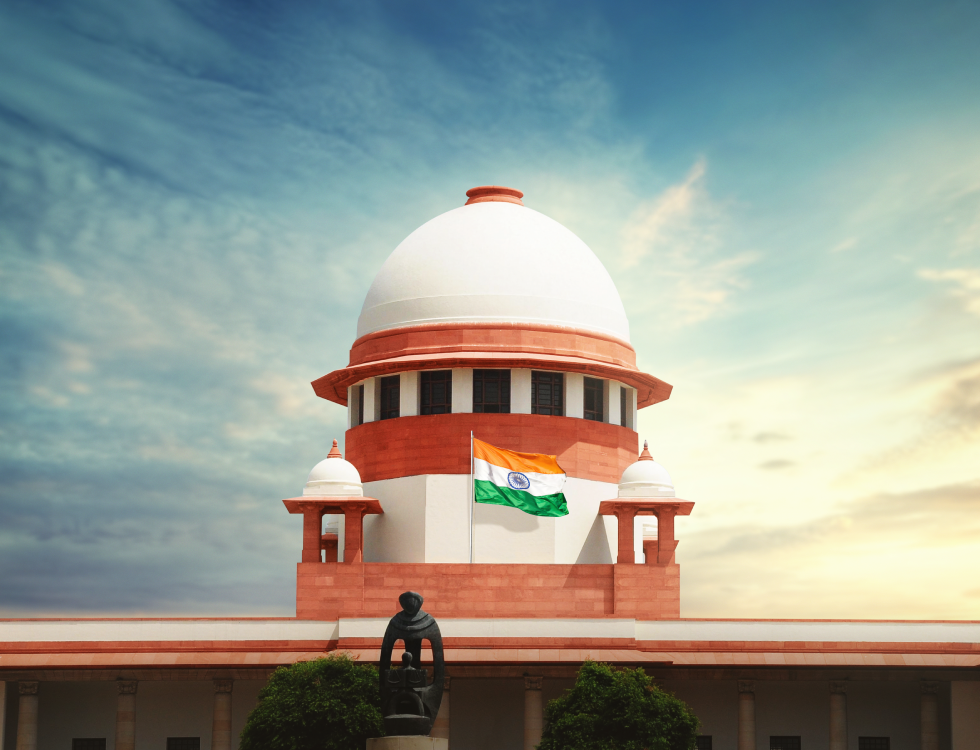
In a powerful assertion of judicial oversight and human empathy, the Supreme Court of India has issued a stern warning to the Union Secretaries of Defence and Finance. The bench, led by Justices B.V. Nagarathna and Ujjal Bhuyan, expressed profound “disapproval” over the bureaucratic inertia stalling financial and medical benefits for military cadets who are “boarded out” due to injuries sustained during training.
The Legal Crux: A Gap in Protection
At the heart of this suo motu proceeding is a glaring legal disparity. Currently, soldier recruits who suffer disabilities during training are entitled to certain pensionary and medical benefits. However, officer cadets—the future leaders of the armed forces—occupy a precarious legal vacuum. Because they are injured before being formally commissioned as officers, they are not classified as “ex-servicemen.” This technicality leaves them ineligible for the Ex-Servicemen Contributory Health Scheme (ECHS) and other institutional supports.
The Court highlighted that this exclusion potentially violates Article 14 (Equality before Law) and Article 21 (Right to Life and Dignity) of the Constitution. By failing to provide a rehabilitation framework for these “bravehearts,” the state effectively abandons young citizens whose careers were cut short while preparing to serve the nation.
Bureaucracy vs. The Bench
During Tuesday’s hearing, the Court noted that despite recommendations from the Chiefs of the Army, Navy, and Air Force to enhance support, the file remains caught in a tug-of-war between the Ministry of Defence and the Ministry of Finance.
“We fail to understand why, despite this court taking up the issue suo motu, there has been no response,” the bench remarked. Justice Nagarathna pointed out the strategic timing: with the Finance Act, 2026 currently under parliamentary consideration, now is the ideal window to allocate necessary funds.
The Court’s frustration culminated in a two-week ultimatum: if a decision is not finalized by the next hearing on March 24, the Defence and Finance Secretaries will be directed to appear personally before the bench to explain the delay.
The Human Toll of Policy Gaps
Beyond the legal arguments lies the story of approximately 40 to 50 cadets every year—young men and women who entered premier institutions like the NDA and IMA with dreams of flying jets or leading battalions. Instead, accidents during rigorous drills have left many paralyzed or severely disabled.
Currently, these cadets receive a meager ex-gratia payment which— the Court described as “outdated and inadequate” to cover lifelong medical costs and basic subsistence. For these individuals, the lack of a “pensioner” status is not just a label; it is a barrier to the specialized healthcare they desperately need.
The Way Forward
The Court is pushing for a comprehensive rehabilitation scheme that includes:
-
Enhanced Financial Aid: Revising ex-gratia amounts to reflect current living and medical costs.
-
Medical Security: Extending ECHS or similar insurance coverage to all “invalidated” cadets.
-
Alternative Employment: Exploring desk-based roles within the forces for those still capable of administrative work.
By holding the highest administrative officers accountable, the Supreme Court has signaled that the “minimal” financial impact on the national budget cannot justify the “maximal” suffering of those who sacrificed their health for the uniform. The message is clear: the law must serve those who were ready to serve the law.
