

Close Menu
LawFilesLawFiles

    Subscribe to Updates

    Get the latest creative news from FooBar about art, design and business.

    What's Hot

    Dowry Law and Victim Protection: Supreme Court Clarifies Immunity for Wife and Her Family

    April 17, 2026

    Women’s Reservation Law Notified: Reform Realised or Deferred Constitutional Promise?

    April 17, 2026

    Supreme Court Notice on Muslim Personal Law: Reopening the Constitutional Debate on Gender Equality and Faith

    April 16, 2026
    Facebook X (Twitter) Instagram Threads
    Friday, April 17
    LawFilesLawFiles
    Facebook X (Twitter)
    • Home
      • Who We Are
      • Our Mission
      • Advisory board
      • Contact US
    • Supreme Court
    • High Courts
      • Gujarat High Court
      • Jharkhand High Court
      • Rajasthan High Court
      • Karnataka High Court
      • Andhra Pradesh High Court
      • Allahabad High Court
      • Himachal Pradesh High Court
      • Chhattisgarh High Court
      • Jammu & Kashmir and Ladakh High Court
      • Kerala High Court
      • Punjab and Haryana High Court
      • Patna High Court
      • Madhya Pradesh High Court
      • Madras High Court
      • Bombay High Court
      • Orissa High Court
      • Calcutta High Court
      • Meghalaya High Court
      • Delhi High Court
      • Manipur High Court
      • Gauhati High Court
    • Corporate
    • Taxation Laws
      • Income Tax
      • GST
      • Customs & Excise
    • Global Affairs
    • Articles
      • Former Judge’s’ Views
      • Senior Advocate
      • Policy Analysis
      • Tax Expert
    • PILS
      • Free/Affordable Legal Aid
      • PIL Cell
      • Law student Volunteer Cell (research & Drafting)
      • NGO & Legal services Authority Tie-ups
      • Online Legal Formats
      • Online Legal Help Form
    Subscribe Premium
    LawFilesLawFiles
    Home»Supreme Court»Banks Cannot Override Customer Mandate: Supreme Court Holds Canara Bank Liable for Wrongful Remittance to Third Party
    Supreme Court

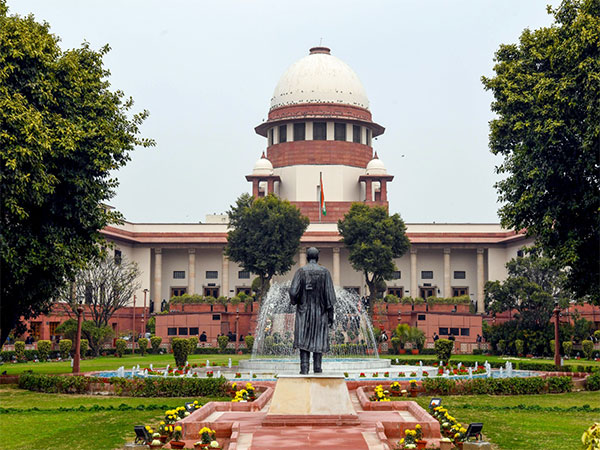
    Banks Cannot Override Customer Mandate: Supreme Court Holds Canara Bank Liable for Wrongful Remittance to Third Party

    Anvita DwivediBy Anvita DwivediMarch 18, 2026No Comments4 Mins Read
    WhatsApp Facebook Twitter Copy Link
    Share
    Facebook Twitter Pinterest Copy Link WhatsApp

    In a significant ruling strengthening customer rights in banking transactions, the Supreme Court of India has held that banks are strictly bound to follow the explicit instructions of their customers and cannot unilaterally divert funds, even under regulatory or procedural considerations.

    The judgment came in Canara Bank Overseas Branch v. Archean Industries Pvt. Ltd., where a bench comprising Justice J.B. Pardiwala and Justice R. Mahadevan dismissed appeals filed by the bank and affirmed its liability for a wrongful remittance of USD 100,000 to an unintended third party.

    The dispute arose from a commercial transaction involving Archean Industries Pvt. Ltd., which had instructed Canara Bank to remit a sum of USD 100,000 to a foreign entity, Goltens Dubai, towards repair charges of a vessel.

    The customer had issued clear and specific instructions, accompanied by the necessary documentation for remittance. However, instead of transferring the amount to the intended beneficiary, the bank erroneously remitted the funds to the vessel owner, thereby frustrating the underlying commercial arrangement.

    This error triggered a chain of litigation, ultimately leading to a decree directing the customer to pay the amount to the intended recipient, while granting it the right to recover the same from the bank due to its mistake.

    Upholding the findings of the Madras High Court, the Supreme Court laid down a clear principle that a bank has no authority to act contrary to the mandate of its customer. The Court observed that once explicit instructions are issued that bank must either execute the instructions faithfully or seek clarification if regulatory approval or compliance issues arise, what it cannot do, however, is act on its own and redirect funds elsewhere.

    The Court rejected the bank’s defence that regulatory requirements or foreign exchange considerations justified its conduct. It clarified that in such situations, the bank ought to have withheld the transaction and sought further instructions, rather than executing a unilateral and erroneous transfer.

    Liability and Indemnification

    The Court affirmed that the bank’s mistake directly caused financial loss to its customer and therefore the bank is liable to indemnify the customer for the wrongful remittance. The liability arises from breach of duty in executing the customer’s mandate

    Importantly, the Court also upheld the concept of third-party recovery, allowing the affected customer to recover the wrongly transferred amount from the bank after satisfying its own liability to the intended recipient.

    The ruling reinforces several key doctrines in banking and contract law:

    Banks act as custodians of customer funds and are bound by a fiduciary duty to strictly follow instructions.

    Even in the presence of regulatory uncertainty, banks cannot override instructions; the only lawful course is non-execution pending clarification.

    Errors in fund transfers whether due to negligence or internal lapses squarely attract liability. The Court also clarified that a corporate guarantee or payment undertaking creates enforceable obligations independent of the underlying transaction.

    The judgment is particularly significant in the context of increasing digital and cross-border transactions. It sends a strong message that banks cannot take shelter under technicalities or internal procedures, Customers’ financial autonomy must be respected and protected and Errors in financial systems will attract strict accountability

    This aligns with the broader trend of the Supreme Court treating banking services as falling within the framework of consumer protection and fiduciary responsibility.

    Financial institutions will now be required to implement stricter internal controls to avoid wrongful remittances. The judgment settles recurring disputes where banks attempt to justify deviations from instructions on regulatory or procedural grounds. For businesses engaged in international trade, the ruling reinforces that banking intermediaries cannot compromise contractual payment flows.

    The Supreme Court’s ruling marks a decisive reaffirmation of a fundamental banking principle: customer instructions are sacrosanct.

    By holding the bank accountable for wrongful remittance, the Court has strengthened the legal framework governing financial transactions, ensuring that institutional errors do not prejudice customer rights.

    At a broader level, the judgment reinforces trust in the banking system by making it clear that financial institutions are not just facilitators, but legally accountable custodians of customer funds.


    Banks Cannot Override Customer Mandate Supreme Court Holds Canara Bank Liable for Wrongful Remittance to Third Party
    Share. WhatsApp Facebook Twitter Pinterest Email
    Anvita Dwivedi

    Related Posts

    Dowry Law and Victim Protection: Supreme Court Clarifies Immunity for Wife and Her Family

    April 17, 2026

    Women’s Reservation Law Notified: Reform Realised or Deferred Constitutional Promise?

    April 17, 2026

    Supreme Court Notice on Muslim Personal Law: Reopening the Constitutional Debate on Gender Equality and Faith

    April 16, 2026
    Add A Comment
    Leave A Reply Cancel Reply

    Demo
    Top Posts

    Wrongful Claim Rejection Amounts to Deficiency in Service: Delhi Consumer Commission Holds Star Health Liable

    March 16, 202655 Views

    Bombay High Court Quashes POCSO Case, Directs Accused to Fund MacBook for Victim’s Education

    February 28, 202648 Views

    Siyahat Meri Syahi Se: A Journey That Transforms Travel into Thought and Entrepreneurship

    March 18, 202636 Views

    Welfare or Electoral Strategy? Supreme Court’s Sharp Take on Pre-Poll Cash Schemes

    February 20, 202624 Views
    Don't Miss

    Dowry Law and Victim Protection: Supreme Court Clarifies Immunity for Wife and Her Family

    By Anvita DwivediApril 17, 2026

    In a significant clarification of dowry law jurisprudence, the Supreme Court has held that a…

    Women’s Reservation Law Notified: Reform Realised or Deferred Constitutional Promise?

    April 17, 2026

    Supreme Court Notice on Muslim Personal Law: Reopening the Constitutional Debate on Gender Equality and Faith

    April 16, 2026

    Free Speech or Incitement? Calcutta High Court Plea Against Suvendu Adhikari Rekindles Debate on Political Speech Limits

    April 16, 2026
    Stay In Touch
    • Facebook
    • Twitter

    Subscribe to Updates

    Get the latest creative news from SmartMag about art & design.

    Top Posts

    Wrongful Claim Rejection Amounts to Deficiency in Service: Delhi Consumer Commission Holds Star Health Liable

    March 16, 202655 Views

    Bombay High Court Quashes POCSO Case, Directs Accused to Fund MacBook for Victim’s Education

    February 28, 202648 Views

    Siyahat Meri Syahi Se: A Journey That Transforms Travel into Thought and Entrepreneurship

    March 18, 202636 Views
    Don't Miss

    Dowry Law and Victim Protection: Supreme Court Clarifies Immunity for Wife and Her Family

    By Anvita DwivediApril 17, 2026

    In a significant clarification of dowry law jurisprudence, the Supreme Court has held that a…

    Women’s Reservation Law Notified: Reform Realised or Deferred Constitutional Promise?

    April 17, 2026

    Supreme Court Notice on Muslim Personal Law: Reopening the Constitutional Debate on Gender Equality and Faith

    April 16, 2026

    Free Speech or Incitement? Calcutta High Court Plea Against Suvendu Adhikari Rekindles Debate on Political Speech Limits

    April 16, 2026
    Stay In Touch
    • Facebook
    • YouTube
    • TikTok
    • Instagram
    Top Trending
    About Us
    About Us

    LawFiles.in is a comprehensive legal news platform delivering real-time updates from the Supreme Court, High Courts, Tribunals, Corporate and Tax law, Regulators, Politics, Crime, Consumer cases, and Global Affairs.

    Email Us: lawfilesoffical@gmail.com
    Contact: +91 8800026066

    Contact Us:
    India International Centre
    40, Max Mueller Marg
    Lodhi Estate, New Delhi-110003

    Facebook X (Twitter)
    Our Picks

    Dowry Law and Victim Protection: Supreme Court Clarifies Immunity for Wife and Her Family

    April 17, 2026

    Women’s Reservation Law Notified: Reform Realised or Deferred Constitutional Promise?

    April 17, 2026

    Supreme Court Notice on Muslim Personal Law: Reopening the Constitutional Debate on Gender Equality and Faith

    April 16, 2026

    Free Speech or Incitement? Calcutta High Court Plea Against Suvendu Adhikari Rekindles Debate on Political Speech Limits

    April 16, 2026

    Seat vs Venue in Arbitration: Supreme Court Reaffirms Jurisdictional Clarity in a Fragmented Jurisprudence

    April 16, 2026
    Most Popular

    ED Can Arrest Even If FIRs Are Added to ECIR Later: Punjab & Haryana High Court

    January 30, 20260 Views

    Non-Disclosure Of QCBS Criteria In Tender Alone Not Enough To Allege Malafides: Gauhati High Court

    January 31, 20260 Views

    Anticipatory Bail For Proclaimed Offenders: Evolution Of Law

    January 31, 20260 Views

    January 2026 Monthly Digest: Important Rulings of the Jammu & Kashmir and Ladakh High Court

    February 2, 20260 Views

    Custodial Death and State Liability : A Critical Analysis of the Allahabad High Court’s ₹10 Lakh Compensation Judgment

    February 22, 20260 Views
    © 2026 LawFiles. Owned by Varta24 Media.
    • Articles
    • Careers
    • Corporate
    • Global Affairs
    • Law Firms & Lawyers
    • PILS
    • Regulatory

    Type above and press Enter to search. Press Esc to cancel.