

Close Menu
LawFilesLawFiles

    Subscribe to Updates

    Get the latest creative news from FooBar about art, design and business.

    What's Hot

    Advocacy Is Not Influencing, It Is a Public Trust: Bar Council of India Draws Ethical Boundaries for Lawyers in the Age of Social Media

    July 18, 2026

    ‘No Passenger Is Second-Class in a Constitutional Democracy’: Supreme Court Urges Railways to Curb Overcrowding, Reconsider Terminology and Strengthen Passenger Safety

    July 18, 2026

    Electoral Exclusion Is Not Citizenship Determination: Supreme Court Reaffirms Constitutional Limits on Election Commission’s Powers in West Bengal SIR Proceedings

    July 17, 2026
    Facebook X (Twitter) Instagram Threads
    Saturday, July 18
    LawFilesLawFiles
    Facebook X (Twitter)
    • Home
      • Who We Are
      • Our Mission
      • Advisory board
      • Contact US
    • Supreme Court
    • High Courts
      • Gujarat High Court
      • Jharkhand High Court
      • Rajasthan High Court
      • Karnataka High Court
      • Andhra Pradesh High Court
      • Allahabad High Court
      • Himachal Pradesh High Court
      • Chhattisgarh High Court
      • Jammu & Kashmir and Ladakh High Court
      • Kerala High Court
      • Punjab and Haryana High Court
      • Patna High Court
      • Madhya Pradesh High Court
      • Madras High Court
      • Bombay High Court
      • Orissa High Court
      • Calcutta High Court
      • Meghalaya High Court
      • Delhi High Court
      • Manipur High Court
      • Gauhati High Court
    • Corporate
    • Taxation Laws
      • Income Tax
      • GST
      • Customs & Excise
    • Global Affairs
    • Articles
      • Sitting Judge’s’ Views
      • Senior Advocate
      • Policy Analysis
      • Tax Expert
    • PILS
      • Free/Affordable Legal Aid
      • PIL Cell
      • Law student Volunteer Cell (research & Drafting)
      • NGO & Legal services Authority Tie-ups
      • Online Legal Formats
      • Online Legal Help Form
    Subscribe Premium
    LawFilesLawFiles
    Home»Articles»Supreme Court’s Justice BV Nagarathna Warns Against Economic and Political Threats to Press Freedom
    Articles

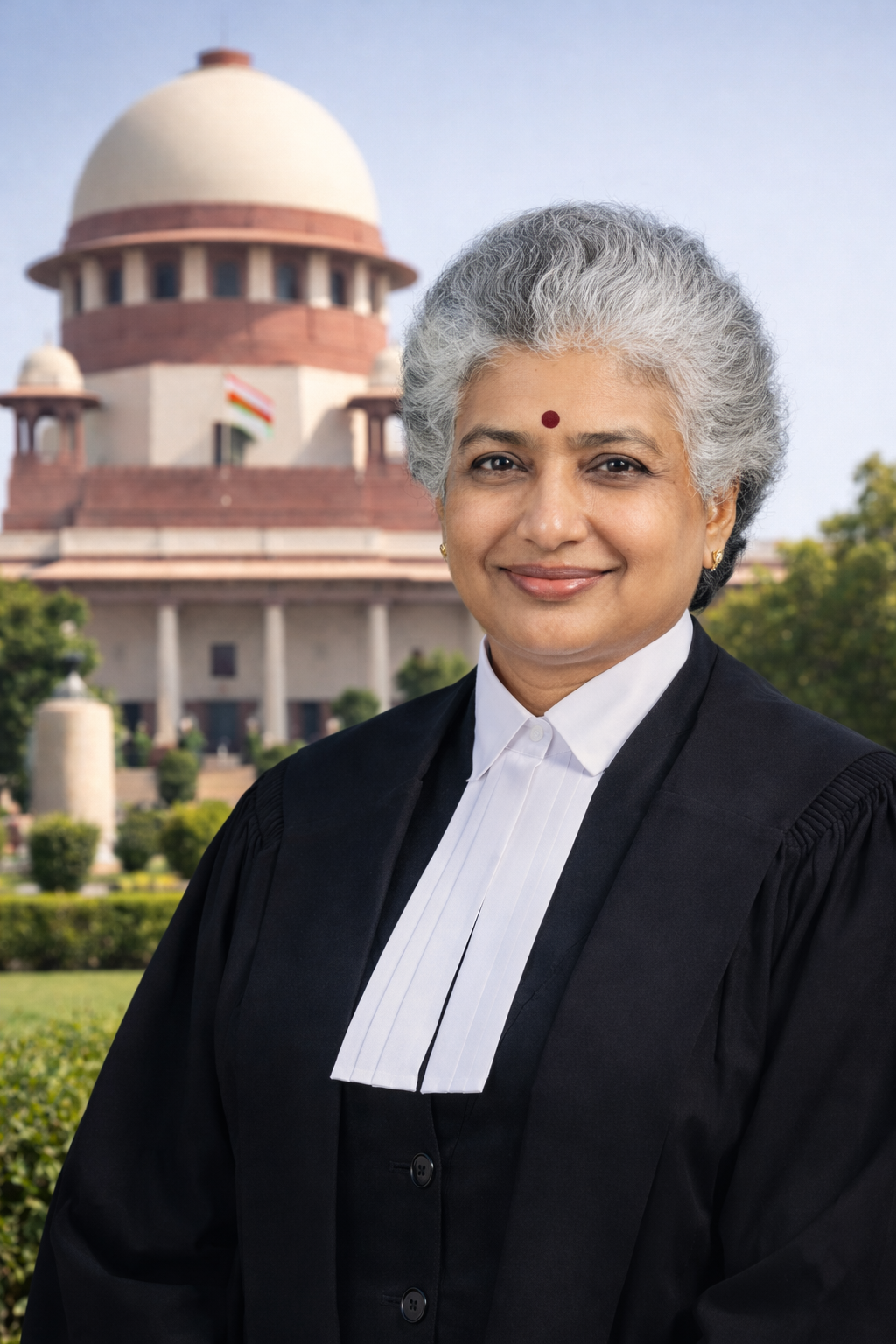
    Supreme Court’s Justice BV Nagarathna Warns Against Economic and Political Threats to Press Freedom

    Anvita DwivediBy Anvita DwivediFebruary 28, 2026No Comments4 Mins Read
    WhatsApp Facebook Twitter Copy Link
    Share
    Facebook Twitter Pinterest Copy Link WhatsApp

    New Delhi, 28 February 2026: Justice BV Nagarathna of the Supreme Court of India delivered a powerful keynote address this week on the state of press freedom in the country, cautioning that economic and regulatory pressures pose a serious threat to independent journalism, even where direct censorship is constitutionally prohibited. She emphasised that a press sustained by its readers rather than reliant on corporate or state patronage is best placed to protect its independence and serve the public interest.

    Speaking at the International Press Institute (IPI) India Award for Excellence in Journalism 2025 event held at the Constitution Club in New Delhi, Justice Nagarathna highlighted the constitutional foundations of press freedom under Articles 19(1)(a) (freedom of speech and expression) and 19(1)(g) (freedom to practise any profession) of the Constitution. She pointed out that while these guarantees protect journalism in law, **economic realities and legislative regulations can significantly shape how and whether journalism is practised in reality.

    The ceremony also honoured Vaishnavi Rathore, a reporter with Scroll.in, with the IPI India Award for her investigative reporting. Rathore’s work on the environmental and social impact of the Great Nicobar Island Development Project was praised for its depth and public relevance, with Nagarathna underlining the role such reporting plays in democratic accountability.

    Justice Nagarathna warned that corporate-owned media organisations, although formally independent, may be tethered to economic imperatives including advertising revenues, owner interests and regulatory environments that can limit adversarial reporting. She explained that media houses dependent on corporate funds or indirect state benefits through advertising and regulatory favour may shy away from critical coverage to preserve financial stability. The Hon’ble justice stressed that laws governing business, licensing, taxation and antitrust can indirectly influence editorial independence. Such regulations, though not aimed at censorship under Article 19(2), could still shape the conditions under which journalists operate, potentially leading to self-censorship or “selective journalism.”

    She articulated a significant concern: even when the Constitution legally protects press freedom, economic dependency can weaken it in practice, questioning whether press freedom can truly exist if media viability is tied to financial forces that discourage robust reporting.

    In her address, Justice Nagarathna urged civil society to view independent journalism as a “public good worth paying for”. She argued that a press sustained directly by readers through subscriptions and public support is better placed to resist political and corporate pressures and to pursue public interest reporting without fear of economic consequences.

    Good journalism doesn’t run on goodwill alone. When someone takes a subscription, they’re really saying this kind of reporting is worth backing. A press sustained by its readers is always better placed to serve the public interest and fend off political pressures.”

    Justice Nagarathna’s remarks drew a clear distinction between formal constitutional freedoms and their practical limitations. She highlighted that while Indian media does not face widespread direct censorship, indirect influences such as ownership structures, government advertising policies, licensing requirements, taxation and market competition — may shape news coverage and stifle critical reporting.

    Analysts say her critique reflects a growing global concern about the health of media ecosystems, where economic pressures and regulatory frameworks increasingly intersect with political dynamics and editorial independence. In India’s context, these issues take on additional resonance amid intense debates over media bias, corporate ownership and “selective journalism.”


    Justice Nagarathna concluded by reaffirming journalism’s central role in a democratic society as a conduit for truth, transparency and accountability. She stressed that independent reporting not only informs citizens but also reinforces constitutional values by ensuring that power is questioned and that public policy is scrutinised effectively.

    Her address serves as a reminder that press freedom while constitutionally guaranteed requires vigilant protection not just against overt censorship, but also against subtler forms of influence that can shape public discourse and democratic accountability.


    International Press Institute (IPI) India Award for Excellence in Journalism 2025 Supreme Court’s Justice BV Nagarathna Warns Against Economic and Political Threats to Press Freedom
    Share. WhatsApp Facebook Twitter Pinterest Email
    Anvita Dwivedi

    Related Posts

    Advocacy Is Not Influencing, It Is a Public Trust: Bar Council of India Draws Ethical Boundaries for Lawyers in the Age of Social Media

    July 18, 2026

    ‘No Passenger Is Second-Class in a Constitutional Democracy’: Supreme Court Urges Railways to Curb Overcrowding, Reconsider Terminology and Strengthen Passenger Safety

    July 18, 2026

    Electoral Exclusion Is Not Citizenship Determination: Supreme Court Reaffirms Constitutional Limits on Election Commission’s Powers in West Bengal SIR Proceedings

    July 17, 2026
    Add A Comment
    Leave A Reply Cancel Reply

    Demo
    Top Posts

    Digital Forensics Fail to convince Supreme Court: Bail Denied to Gagan Khanna in BNS Assault Case

    June 15, 2026245 Views

    Wrongful Claim Rejection Amounts to Deficiency in Service: Delhi Consumer Commission Holds Star Health Liable

    March 16, 202673 Views

    Banking Negligence and Consumer Accountability: Supreme Court Reinforces Duty of Care in Cheque Handling

    April 16, 202668 Views

    Bombay High Court Quashes POCSO Case, Directs Accused to Fund MacBook for Victim’s Education

    February 28, 202662 Views
    Don't Miss

    Advocacy Is Not Influencing, It Is a Public Trust: Bar Council of India Draws Ethical Boundaries for Lawyers in the Age of Social Media

    By Anvita DwivediJuly 18, 2026

    In one of the most significant regulatory interventions concerning the legal profession in the digital…

    ‘No Passenger Is Second-Class in a Constitutional Democracy’: Supreme Court Urges Railways to Curb Overcrowding, Reconsider Terminology and Strengthen Passenger Safety

    July 18, 2026

    Electoral Exclusion Is Not Citizenship Determination: Supreme Court Reaffirms Constitutional Limits on Election Commission’s Powers in West Bengal SIR Proceedings

    July 17, 2026

    Witness Protection, Fair Trial and Investigative Neutrality: Supreme Court Records UP Police Report Clearing Ashish Mishra and Ajay Mishra in Separate Witness Intimidation Probe

    July 16, 2026
    Stay In Touch
    • Facebook
    • Twitter

    Subscribe to Updates

    Get the latest creative news from SmartMag about art & design.

    Top Posts

    Digital Forensics Fail to convince Supreme Court: Bail Denied to Gagan Khanna in BNS Assault Case

    June 15, 2026245 Views

    Wrongful Claim Rejection Amounts to Deficiency in Service: Delhi Consumer Commission Holds Star Health Liable

    March 16, 202673 Views

    Banking Negligence and Consumer Accountability: Supreme Court Reinforces Duty of Care in Cheque Handling

    April 16, 202668 Views
    Don't Miss

    Advocacy Is Not Influencing, It Is a Public Trust: Bar Council of India Draws Ethical Boundaries for Lawyers in the Age of Social Media

    By Anvita DwivediJuly 18, 2026

    In one of the most significant regulatory interventions concerning the legal profession in the digital…

    ‘No Passenger Is Second-Class in a Constitutional Democracy’: Supreme Court Urges Railways to Curb Overcrowding, Reconsider Terminology and Strengthen Passenger Safety

    July 18, 2026

    Electoral Exclusion Is Not Citizenship Determination: Supreme Court Reaffirms Constitutional Limits on Election Commission’s Powers in West Bengal SIR Proceedings

    July 17, 2026

    Witness Protection, Fair Trial and Investigative Neutrality: Supreme Court Records UP Police Report Clearing Ashish Mishra and Ajay Mishra in Separate Witness Intimidation Probe

    July 16, 2026
    Stay In Touch
    • Facebook
    • YouTube
    • TikTok
    • Instagram
    Top Trending
    About Us
    About Us

    LawFiles.in is a comprehensive legal news platform delivering real-time updates from the Supreme Court, High Courts, Tribunals, Corporate and Tax law, Regulators, Politics, Crime, Consumer cases, and Global Affairs.

    Email Us: lawfilesoffical@gmail.com
    Contact: +91 8800026066

    Contact Us:
    India International Centre
    40, Max Mueller Marg
    Lodhi Estate, New Delhi-110003

    Facebook X (Twitter)
    Our Picks

    Advocacy Is Not Influencing, It Is a Public Trust: Bar Council of India Draws Ethical Boundaries for Lawyers in the Age of Social Media

    July 18, 2026

    ‘No Passenger Is Second-Class in a Constitutional Democracy’: Supreme Court Urges Railways to Curb Overcrowding, Reconsider Terminology and Strengthen Passenger Safety

    July 18, 2026

    Electoral Exclusion Is Not Citizenship Determination: Supreme Court Reaffirms Constitutional Limits on Election Commission’s Powers in West Bengal SIR Proceedings

    July 17, 2026

    Witness Protection, Fair Trial and Investigative Neutrality: Supreme Court Records UP Police Report Clearing Ashish Mishra and Ajay Mishra in Separate Witness Intimidation Probe

    July 16, 2026

    Remission Is a Constitutional Process, Not an Automatic Right: Supreme Court Directs Odisha Government to Decide Dara Singh’s Premature Release Plea in Graham Staines Murder Case

    July 15, 2026
    Most Popular

    Supreme Court Rules Limitation Period Under CrPC Starts When Offender’s Identity Is Known, Not From First Complaint

    February 27, 20260 Views

    Maharashtra State Consumer Commission Slams HP Employees’ Co-operative Credit Society for Enforcing Undisclosed Restriction, Orders Refund with Interest and Compensation

    March 2, 20260 Views

    Repeated Vehicle Defects Amount to Deficiency in Service: Chandigarh Consumer Commission Awards ₹4 Lakh Compensation to Ford Owner

    March 9, 20260 Views

    Order VI Rule 17 Proviso Not Applicable to Pre-2002 Suits: Allahabad High Court Allows Amendment in 1997 Plaint

    March 9, 20260 Views

    India’s Tribunal Crisis: Supreme Court Questions Who Guards the Guardians

    March 10, 20260 Views
    © 2026 LawFiles. Owned by Varta24 Media.
    • Articles
    • Careers
    • Corporate
    • Global Affairs
    • Law Firms & Lawyers
    • PILS
    • Regulatory

    Type above and press Enter to search. Press Esc to cancel.