

Close Menu
LawFilesLawFiles

    Subscribe to Updates

    Get the latest creative news from FooBar about art, design and business.

    What's Hot

    Advocacy Is Not Influencing, It Is a Public Trust: Bar Council of India Draws Ethical Boundaries for Lawyers in the Age of Social Media

    July 18, 2026

    ‘No Passenger Is Second-Class in a Constitutional Democracy’: Supreme Court Urges Railways to Curb Overcrowding, Reconsider Terminology and Strengthen Passenger Safety

    July 18, 2026

    Electoral Exclusion Is Not Citizenship Determination: Supreme Court Reaffirms Constitutional Limits on Election Commission’s Powers in West Bengal SIR Proceedings

    July 17, 2026
    Facebook X (Twitter) Instagram Threads
    Saturday, July 18
    LawFilesLawFiles
    Facebook X (Twitter)
    • Home
      • Who We Are
      • Our Mission
      • Advisory board
      • Contact US
    • Supreme Court
    • High Courts
      • Gujarat High Court
      • Jharkhand High Court
      • Rajasthan High Court
      • Karnataka High Court
      • Andhra Pradesh High Court
      • Allahabad High Court
      • Himachal Pradesh High Court
      • Chhattisgarh High Court
      • Jammu & Kashmir and Ladakh High Court
      • Kerala High Court
      • Punjab and Haryana High Court
      • Patna High Court
      • Madhya Pradesh High Court
      • Madras High Court
      • Bombay High Court
      • Orissa High Court
      • Calcutta High Court
      • Meghalaya High Court
      • Delhi High Court
      • Manipur High Court
      • Gauhati High Court
    • Corporate
    • Taxation Laws
      • Income Tax
      • GST
      • Customs & Excise
    • Global Affairs
    • Articles
      • Sitting Judge’s’ Views
      • Senior Advocate
      • Policy Analysis
      • Tax Expert
    • PILS
      • Free/Affordable Legal Aid
      • PIL Cell
      • Law student Volunteer Cell (research & Drafting)
      • NGO & Legal services Authority Tie-ups
      • Online Legal Formats
      • Online Legal Help Form
    Subscribe Premium
    LawFilesLawFiles
    Home»Articles»Kerala High Court Halts Release of The Kerala Story 2, Questions CBFC’s Certification Process
    Articles

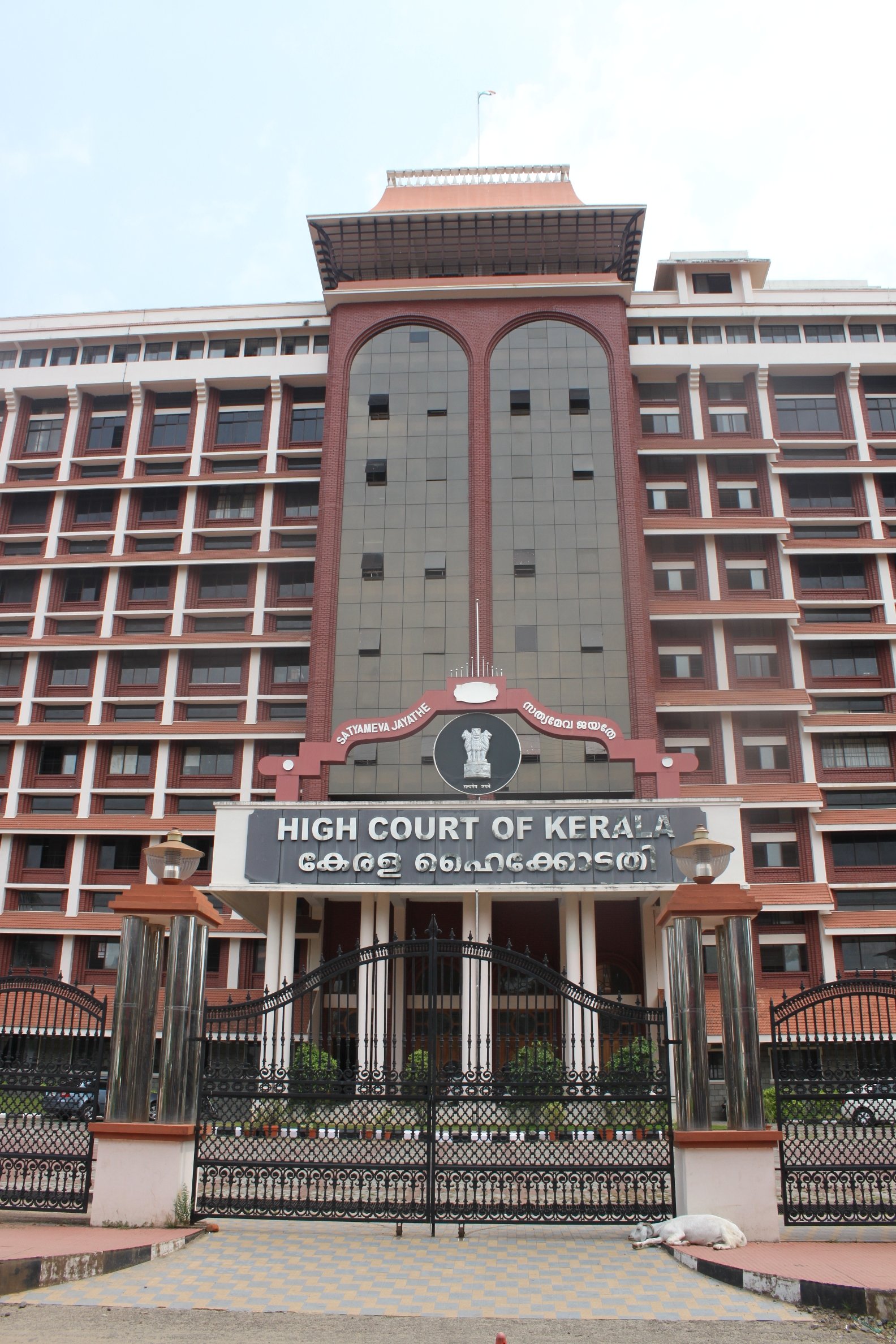
    Kerala High Court Halts Release of The Kerala Story 2, Questions CBFC’s Certification Process

    Anvita DwivediBy Anvita DwivediFebruary 26, 2026Updated:February 26, 2026No Comments4 Mins Read
    WhatsApp Facebook Twitter Copy Link
    Share
    Facebook Twitter Pinterest Copy Link WhatsApp

    Kochi, 26 February 2026: The Kerala High Court has taken significant interim measures in the legal controversy surrounding the upcoming Hindi film The Kerala Story 2 goes Beyond by temporarily staying its release and raising pointed questions about the Central Board of Film Certification’s (CBFC) decision to grant it a U/A certificate. The film, produced by Vipul Amrutlal Shah and directed by Kamakhya Narayan Singh, was scheduled for a nationwide theatrical release on 27 February 2026.

    A single-judge bench led by Justice Bechu Kurian Thomas on Thursday granted an interim stay on the film’s release and distribution rights, observing prima facie that the CBFC “may not have applied its mind” properly while certifying the movie for public exhibition. The order requires the Board to re-examine the film’s certification and reconsider petitioners’ representations within two weeks before any release can proceed.

    The High Court’s directive also restrains the film’s makers from releasing distribution rights until final disposal of the ongoing petitions challenging the certification. Meanwhile, the court has paused the scheduled 27 February release in light of the pending judicial scrutiny.

    The legal challenge was brought by several petitioners, including Sreedev Namboothiri of Kannur, who argue the film’s title and promotional material misrepresent the State of Kerala; a region widely recognised for its secular ethos and communal harmony by associating it with narratives of terrorism, forced religious conversion, and demographic threats.

    Petitioners contend that the CBFC’s U/A certification was granted without due compliance with the procedural requirements of the Cinematograph Act, 1952, and that the Board failed to assess whether the film could adversely affect public order or societal harmony.

    During hearings earlier this week, the Kerala High Court orally expressed concerns that the teaser and trailers of The Kerala Story 2 depict “Kerala lives in total harmony” in a misleading way and could provoke social tensions if released without careful evaluation. It also asked the Centre’s counsel whether a judicial screening of the complete film could be arranged so the court might directly assess the content.

    Justices observed that the apprehensions of the people of Kerala cannot be ignored, particularly where promotional material uses the state’s name but is perceived by some as portraying it in an unfavourable or inaccurate light.

    Responses from Filmmakers and Government

    In response, the film’s producer has filed a counter-affidavit arguing that the petitions are premature and misconceived, asserting that a certified film should not be restrained on the basis of teasers or trailers alone, without evaluation of the full cinematic work. The producer maintained that CBFC, as the statutory authority, is responsible for film certification and that the court should defer to its expertise unless a clear legal ground for interference is shown.

    Separately, the Union Government, appearing before the Kerala High Court, defended the CBFC’s decision contending that the film’s certification does not threaten public order and emphasised that creative freedom under Article 19(1)(a) of the Constitution is fundamental and should not be curtailed without substantial justification.

    The Kerala Story 2 is a sequel to the 2023 film The Kerala Story, which itself sparked intense debate over alleged misrepresentation and ideological messaging. Like its predecessor, the sequel has ignited fresh public discourse on freedom of expression versus social responsibility, and the scope of judicial intervention in content certified by the statutory censor board.

    Critics, including civic groups and political actors, have argued that the film’s narrative inspiration could stereotype an entire region and its people, potentially affecting social harmony. Conversely, supporters of the film’s certification have stressed that fictional or dramatized narratives are protected under constitutional free speech rights, and that film certification bodies must be accorded due respect unless legal error is clearly demonstrated.

    The Kerala High Court is set to continue hearings on the matter, including on whether it should screen the film itself before deciding on the petitions challenging the certification and stay order. The court’s deliberations will weigh statutory obligations of the CBFC, constitutional guarantees of free speech, and concerns about public order and communal harmony.

    The outcome of this case could have broader implications for how Indian courts navigate conflicts between creative expression and public sensitivities in cinema, particularly where certification decisions are alleged to have been taken without appropriate scrutiny.


    CBFC’s Certification Process Central Board of Film Certification’s (CBFC) decision to grant it a U/A certificate. interim stay on the film’s release and distribution rights Kerala High Court Kerala High Court Halts Release of The Kerala Story 2
    Share. WhatsApp Facebook Twitter Pinterest Email
    Anvita Dwivedi

    Related Posts

    Advocacy Is Not Influencing, It Is a Public Trust: Bar Council of India Draws Ethical Boundaries for Lawyers in the Age of Social Media

    July 18, 2026

    ‘No Passenger Is Second-Class in a Constitutional Democracy’: Supreme Court Urges Railways to Curb Overcrowding, Reconsider Terminology and Strengthen Passenger Safety

    July 18, 2026

    Electoral Exclusion Is Not Citizenship Determination: Supreme Court Reaffirms Constitutional Limits on Election Commission’s Powers in West Bengal SIR Proceedings

    July 17, 2026
    Add A Comment
    Leave A Reply Cancel Reply

    Demo
    Top Posts

    Digital Forensics Fail to convince Supreme Court: Bail Denied to Gagan Khanna in BNS Assault Case

    June 15, 2026245 Views

    Wrongful Claim Rejection Amounts to Deficiency in Service: Delhi Consumer Commission Holds Star Health Liable

    March 16, 202673 Views

    Banking Negligence and Consumer Accountability: Supreme Court Reinforces Duty of Care in Cheque Handling

    April 16, 202668 Views

    Bombay High Court Quashes POCSO Case, Directs Accused to Fund MacBook for Victim’s Education

    February 28, 202662 Views
    Don't Miss

    Advocacy Is Not Influencing, It Is a Public Trust: Bar Council of India Draws Ethical Boundaries for Lawyers in the Age of Social Media

    By Anvita DwivediJuly 18, 2026

    In one of the most significant regulatory interventions concerning the legal profession in the digital…

    ‘No Passenger Is Second-Class in a Constitutional Democracy’: Supreme Court Urges Railways to Curb Overcrowding, Reconsider Terminology and Strengthen Passenger Safety

    July 18, 2026

    Electoral Exclusion Is Not Citizenship Determination: Supreme Court Reaffirms Constitutional Limits on Election Commission’s Powers in West Bengal SIR Proceedings

    July 17, 2026

    Witness Protection, Fair Trial and Investigative Neutrality: Supreme Court Records UP Police Report Clearing Ashish Mishra and Ajay Mishra in Separate Witness Intimidation Probe

    July 16, 2026
    Stay In Touch
    • Facebook
    • Twitter

    Subscribe to Updates

    Get the latest creative news from SmartMag about art & design.

    Top Posts

    Digital Forensics Fail to convince Supreme Court: Bail Denied to Gagan Khanna in BNS Assault Case

    June 15, 2026245 Views

    Wrongful Claim Rejection Amounts to Deficiency in Service: Delhi Consumer Commission Holds Star Health Liable

    March 16, 202673 Views

    Banking Negligence and Consumer Accountability: Supreme Court Reinforces Duty of Care in Cheque Handling

    April 16, 202668 Views
    Don't Miss

    Advocacy Is Not Influencing, It Is a Public Trust: Bar Council of India Draws Ethical Boundaries for Lawyers in the Age of Social Media

    By Anvita DwivediJuly 18, 2026

    In one of the most significant regulatory interventions concerning the legal profession in the digital…

    ‘No Passenger Is Second-Class in a Constitutional Democracy’: Supreme Court Urges Railways to Curb Overcrowding, Reconsider Terminology and Strengthen Passenger Safety

    July 18, 2026

    Electoral Exclusion Is Not Citizenship Determination: Supreme Court Reaffirms Constitutional Limits on Election Commission’s Powers in West Bengal SIR Proceedings

    July 17, 2026

    Witness Protection, Fair Trial and Investigative Neutrality: Supreme Court Records UP Police Report Clearing Ashish Mishra and Ajay Mishra in Separate Witness Intimidation Probe

    July 16, 2026
    Stay In Touch
    • Facebook
    • YouTube
    • TikTok
    • Instagram
    Top Trending
    About Us
    About Us

    LawFiles.in is a comprehensive legal news platform delivering real-time updates from the Supreme Court, High Courts, Tribunals, Corporate and Tax law, Regulators, Politics, Crime, Consumer cases, and Global Affairs.

    Email Us: lawfilesoffical@gmail.com
    Contact: +91 8800026066

    Contact Us:
    India International Centre
    40, Max Mueller Marg
    Lodhi Estate, New Delhi-110003

    Facebook X (Twitter)
    Our Picks

    Advocacy Is Not Influencing, It Is a Public Trust: Bar Council of India Draws Ethical Boundaries for Lawyers in the Age of Social Media

    July 18, 2026

    ‘No Passenger Is Second-Class in a Constitutional Democracy’: Supreme Court Urges Railways to Curb Overcrowding, Reconsider Terminology and Strengthen Passenger Safety

    July 18, 2026

    Electoral Exclusion Is Not Citizenship Determination: Supreme Court Reaffirms Constitutional Limits on Election Commission’s Powers in West Bengal SIR Proceedings

    July 17, 2026

    Witness Protection, Fair Trial and Investigative Neutrality: Supreme Court Records UP Police Report Clearing Ashish Mishra and Ajay Mishra in Separate Witness Intimidation Probe

    July 16, 2026

    Remission Is a Constitutional Process, Not an Automatic Right: Supreme Court Directs Odisha Government to Decide Dara Singh’s Premature Release Plea in Graham Staines Murder Case

    July 15, 2026
    Most Popular

    Supreme Court Rules Limitation Period Under CrPC Starts When Offender’s Identity Is Known, Not From First Complaint

    February 27, 20260 Views

    Maharashtra State Consumer Commission Slams HP Employees’ Co-operative Credit Society for Enforcing Undisclosed Restriction, Orders Refund with Interest and Compensation

    March 2, 20260 Views

    Repeated Vehicle Defects Amount to Deficiency in Service: Chandigarh Consumer Commission Awards ₹4 Lakh Compensation to Ford Owner

    March 9, 20260 Views

    Order VI Rule 17 Proviso Not Applicable to Pre-2002 Suits: Allahabad High Court Allows Amendment in 1997 Plaint

    March 9, 20260 Views

    India’s Tribunal Crisis: Supreme Court Questions Who Guards the Guardians

    March 10, 20260 Views
    © 2026 LawFiles. Owned by Varta24 Media.
    • Articles
    • Careers
    • Corporate
    • Global Affairs
    • Law Firms & Lawyers
    • PILS
    • Regulatory

    Type above and press Enter to search. Press Esc to cancel.