


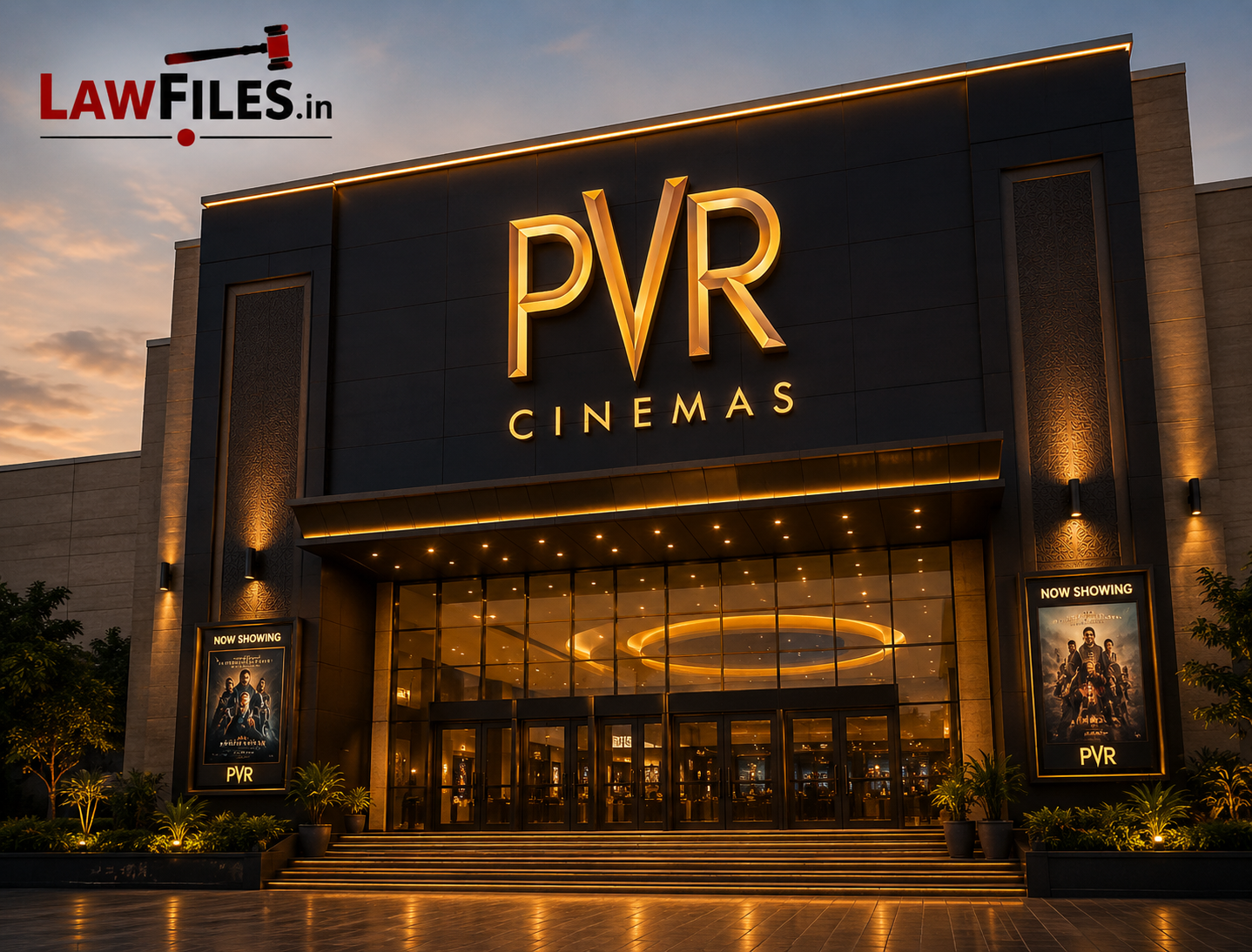
A consumer dispute arising out of the alleged disruption of a theatrical screening of the film Dhurandhar has once again brought into focus the legal obligations of multiplex operators under India’s consumer protection framework. A complaint has been instituted against PVR INOX before the appropriate Consumer Commission alleging that repeated technical glitches during the screening substantially diminished the cinematic experience despite the payment of premium ticket prices. The proceedings, though arising from an individual grievance, raise broader legal questions concerning the standard of service expected from multiplex operators, the scope of “deficiency in service” under the Consumer Protection Act, 2019, and the extent to which entertainment service providers may be held accountable for technological failures occurring during commercial screenings. The matter is presently pending adjudication, and no finding on the merits of the allegations has yet been recorded by the Consumer Commission.
According to the complaint reported before the consumer forum, the complainant had purchased tickets to watch Dhurandhar at a PVR INOX multiplex expecting an uninterrupted theatrical experience. However, during the screening, the film allegedly suffered repeated interruptions owing to technical malfunction, resulting in frequent stoppages and disruption of the viewing experience. It is alleged that despite the audience raising objections, the technical issues persisted, depriving viewers of the seamless cinematic experience for which consideration had been paid. Aggrieved by what was described as a serious lapse in service standards, the complainant approached the consumer forum seeking compensation for mental harassment, inconvenience and deficiency in service.
The dispute may appear, at first glance, to concern a routine customer grievance. Yet, from a legal perspective, it engages fundamental principles underlying the Consumer Protection Act, 2019. The Act recognises that every consumer who pays consideration for goods or services is entitled to receive services of reasonable quality, efficiency and performance. Under Section 2(11) of the Act, “deficiency” includes any fault, imperfection, inadequacy or shortcoming in the quality, nature or manner of performance required to be maintained under law or contract. Consequently, where a multiplex charges consumers for a professionally managed cinematic experience, the service provider assumes a corresponding legal obligation to ensure that projection systems, sound equipment and digital exhibition infrastructure function with reasonable efficiency.
The complaint therefore extends beyond the mere interruption of a film. It raises the broader legal issue whether repeated technological failures, if attributable to poor maintenance or inadequate operational standards, amount to actionable deficiency in service. Consumer jurisprudence in India has consistently recognised that entertainment services fall within the ambit of consumer protection legislation where consideration is paid. Cinema halls, amusement parks, sporting events and other commercial entertainment platforms are not exempt from statutory obligations merely because they provide recreational rather than essential services.
The proceedings also highlight the changing nature of cinema exhibition in the digital era. Modern multiplexes no longer rely upon traditional film reels but employ sophisticated Digital Cinema Package (DCP) technology, encrypted projection systems, automated servers and integrated audio-visual infrastructure. While these technological advancements have significantly enhanced cinematic quality, they have simultaneously increased the responsibility of operators to maintain complex digital systems through regular inspection, preventive maintenance and immediate technical support. Failure to maintain such infrastructure may expose operators to consumer claims where interruptions materially affect the service promised.
Indian consumer forums have, over the years, adopted an increasingly expansive interpretation of “service” under consumer protection legislation. Courts and consumer commissions have awarded compensation in cases involving airline delays, hotel deficiencies, educational institutions, healthcare providers, online platforms and entertainment services where consumers were deprived of the quality reasonably expected after payment of consideration. The underlying principle remains consistent: payment creates legitimate expectations, and commercial entities must discharge their contractual obligations with due care and professional competence.
An equally important legal issue concerns the measure of compensation in such cases. Consumer forums do not ordinarily award damages merely because minor inconvenience occurs during commercial transactions. The complainant must establish that the deficiency was substantial enough to impair the intended benefit of the service. In the context of cinema screenings, isolated interruptions immediately rectified may not necessarily justify substantial compensation. However, repeated technical failures significantly affecting the continuity of a film may potentially constitute actionable deficiency if the evidence demonstrates inadequate service standards.
The dispute also invites consideration of the doctrine of reasonable consumer expectation. Multiplex operators increasingly market premium experiences through IMAX, 4DX, Dolby Atmos, laser projection, luxury seating and enhanced hospitality services while charging correspondingly higher prices. Such marketing inevitably elevates consumer expectations regarding service quality. Where businesses commercially benefit from projecting an image of technological excellence, they may correspondingly face stricter scrutiny if the promised experience is materially compromised due to preventable technical failures.
Another dimension of the case concerns contractual obligations implied within ticket purchases. Although cinema tickets do not ordinarily contain elaborate contractual terms, payment for admission creates an implied contract whereby the exhibitor undertakes to provide uninterrupted exhibition of the scheduled film using functional projection and sound systems. This implied contractual relationship operates alongside statutory obligations imposed by consumer protection legislation, thereby strengthening the legal remedies available to aggrieved viewers.
The proceedings may also influence operational practices across India’s multiplex industry. Following the merger of PVR and INOX, India’s largest cinema chain operates hundreds of multiplex screens serving millions of customers annually. As theatrical exhibition becomes increasingly dependent upon sophisticated digital infrastructure, operators may need to strengthen technical monitoring systems, establish rapid-response maintenance protocols and formulate consumer compensation policies to minimise disputes arising from screening disruptions.
Comparative consumer jurisprudence also reflects a growing judicial willingness to recognise loss of leisure or recreational enjoyment as compensable in appropriate circumstances. Several jurisdictions have acknowledged that consumers purchasing entertainment services are entitled not merely to physical access but also to the quality of experience reasonably promised by the service provider. Although Indian consumer law has traditionally focused upon pecuniary loss, recent decisions increasingly recognise inconvenience, mental harassment and loss of enjoyment as relevant considerations while awarding compensation, provided the deficiency is established through evidence.
Importantly, the present proceedings remain at the threshold stage, and the allegations against PVR INOX have not yet been judicially determined. The multiplex operator will have an opportunity to present its defence, including whether the interruptions resulted from unavoidable technical contingencies beyond reasonable control or whether prompt remedial measures were undertaken immediately after the glitches occurred. Consumer adjudication necessarily requires balancing legitimate consumer expectations with the practical realities of operating technologically sophisticated entertainment infrastructure.
From a broader legal perspective, the dispute underscores the continuing evolution of consumer rights in India’s rapidly expanding experience economy. Contemporary consumers increasingly pay for services where the primary value lies not in acquiring tangible goods but in receiving high-quality experiences whether through streaming platforms, airlines, luxury hotels or multiplex cinemas. As commercial relationships increasingly revolve around experiential services, consumer protection law correspondingly evolves to ensure that businesses remain accountable for the quality of those experiences.
Ultimately, the complaint against PVR INOX is likely to contribute to the developing jurisprudence on consumer rights within the entertainment sector. Whatever the eventual outcome, the proceedings reinforce an important legal principle: commercial entertainment providers are not merely sellers of tickets but providers of a professional service carrying enforceable legal obligations. The Consumer Protection Act seeks to ensure that technological advancement and commercial expansion are accompanied by corresponding standards of accountability, thereby protecting consumers against deficiencies that substantially impair the value of services for which they have paid. As digital cinema continues to redefine the theatrical experience, the legal standards governing service quality will inevitably become an increasingly important aspect of India’s consumer protection landscape.
