


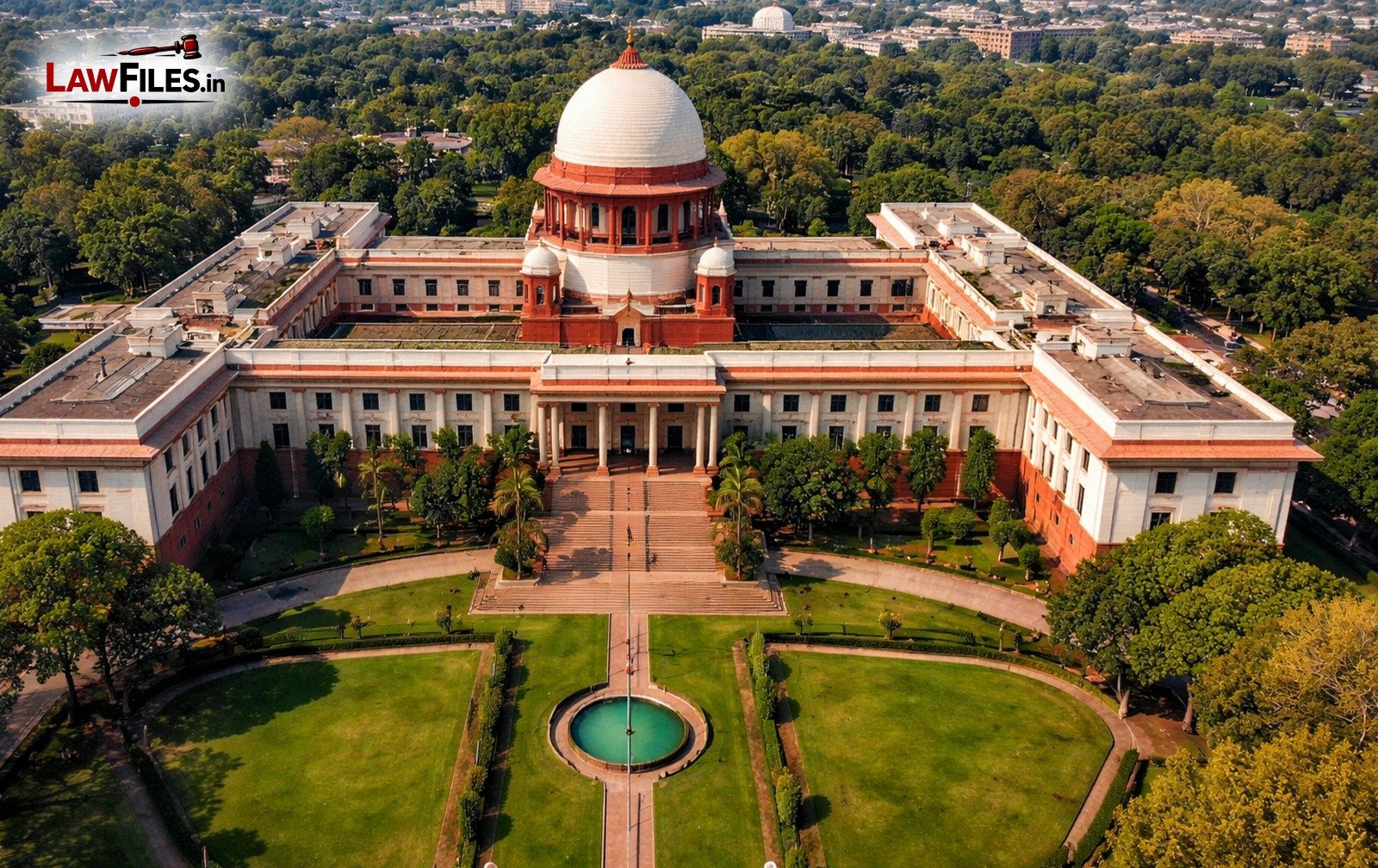
The Supreme Court’s refusal to entertain urgent pleas concerning the NEET-UG 2026 re-examination scheduled for June 21 has become the latest chapter in the continuing legal and institutional debate surrounding one of India’s most consequential entrance examinations. While declining to grant immediate relief, the Court’s observations reveal an important judicial approach toward ongoing examination disputes one that seeks to balance student anxieties, institutional stability, and the orderly administration of justice. The decision also underscores the growing challenge faced by courts in navigating controversies arising from large-scale competitive examinations that affect millions of students across the country.
The matter was mentioned before Chief Justice of India Surya Kant by counsel representing NEET candidates seeking urgent consideration of issues connected with the June 21 retest. The petitions highlighted concerns ranging from alleged irregularities surrounding the examination process to practical difficulties faced by candidates in downloading admit cards and obtaining clarity regarding examination centres. Some counsel also referred to widespread anxiety among students caused by ongoing litigation and discussions relating to alleged paper leaks and examination integrity. Despite these concerns, the Chief Justice declined to entertain the requests separately and reiterated that all NEET-related matters were already assigned to a Bench headed by Justice P.S. Narasimha.
The Court’s response is significant because it reflects a broader judicial principle that has increasingly guided examination-related litigation in recent years. Constitutional courts have generally shown reluctance to interfere with the conduct of ongoing examinations unless a clear case of illegality, arbitrariness, or systemic failure is established. Judicial intervention at the final stages of a national examination process can potentially create greater uncertainty than the problem it seeks to address. By refusing urgent listing and directing that all issues be considered before the Bench already seized of the matter, the Supreme Court emphasized procedural consistency and judicial discipline.
The controversy arises against the backdrop of the National Testing Agency’s decision to cancel the original NEET-UG 2026 examination conducted on May 3 and order a nationwide re-examination on June 21. The cancellation followed allegations that examination content had been leaked through digital platforms, including messaging applications, prior to the test. Subsequent investigations reportedly indicated that examination-related material had circulated before the scheduled examination date, prompting authorities to take the unprecedented step of ordering a fresh examination for nearly 22 lakh candidates.
This decision itself has become the subject of multiple legal challenges. One category of petitions questions whether the cancellation of the examination for all candidates was proportionate when allegations of malpractice may have been localized rather than nationwide. Petitioners have argued that bona fide students should not suffer because of administrative failures or the misconduct of a limited number of individuals. These challenges raise important questions concerning the doctrine of proportionality in administrative law and the extent to which state authorities may impose collective consequences to preserve examination integrity.
Simultaneously, other litigants have sought structural reforms in the examination process itself. Various petitions have advocated the adoption of computer-based testing, biometric verification, artificial intelligence-based monitoring systems, enhanced cybersecurity protocols, and stronger accountability mechanisms within the National Testing Agency. While the Supreme Court recently declined to direct that the June 21 retest be conducted in a computer-based format, the recurring nature of these demands reflects a growing concern regarding the vulnerability of traditional examination systems to technological and organizational breaches.
The present litigation is also noteworthy because it highlights the psychological burden imposed upon students during examination-related disputes. Counsel appearing before the Court specifically emphasized that thousands of candidates were experiencing uncertainty and stress due to conflicting information, social media speculation, and parallel proceedings in different courts. The Court’s remarks acknowledging the proliferation of information across digital platforms indicate judicial awareness of the manner in which examination controversies now unfold in real time through social media ecosystems.
The issue has not been confined to the Supreme Court alone. The Madras High Court recently declined to entertain a plea seeking formulation of a comprehensive Standard Operating Procedure for the conduct of the re-examination, citing the pendency of related matters before the Supreme Court. The High Court observed that intervention at that stage would be inappropriate when the apex court was already examining broader issues concerning the examination. This judicial consistency across forums reflects an effort to avoid conflicting directions and maintain institutional coherence in matters affecting a nationwide examination process.
From a constitutional perspective, the NEET litigation illustrates the increasingly complex relationship between educational governance and judicial review. Competitive examinations today occupy a unique position within public administration. They determine access to educational opportunities, shape professional careers, and directly impact social mobility. Consequently, allegations of irregularity often trigger demands for judicial intervention. Yet courts must simultaneously guard against becoming de facto examination administrators. The Supreme Court’s refusal to grant urgent relief reflects an awareness of these institutional boundaries.
The controversy also raises broader questions about the future of examination governance in India. Repeated litigation concerning NEET, recruitment examinations, and public entrance tests has exposed structural weaknesses in examination administration. Security breaches, technological vulnerabilities, inconsistent protocols, and questions of accountability have become recurring themes. Several commentators have argued that the solution lies not merely in judicial intervention after controversies arise but in comprehensive institutional reform capable of preventing such crises from occurring in the first place.
For legal practitioners, the case provides an instructive example of the limits of judicial review in academic and administrative matters. Courts may scrutinize the legality and rationality of governmental decisions, but they generally refrain from micromanaging examination processes unless compelling circumstances justify intervention. The proceedings therefore reinforce the distinction between judicial oversight and administrative management.
For law students and scholars, the litigation offers a valuable study in constitutional remedies, administrative discretion, and the principle of institutional competence. It demonstrates how courts balance competing interests involving fairness, efficiency, public confidence, and administrative feasibility when adjudicating disputes affecting millions of individuals.
Ultimately, the Supreme Court’s refusal to entertain urgent pleas ahead of the June 21 NEET-UG retest should not be viewed merely as a procedural decision. Rather, it reflects a broader judicial philosophy emphasizing orderly adjudication, institutional coordination, and restraint in matters involving complex administrative processes. At the same time, the continuing litigation serves as a reminder that the legitimacy of national examinations depends not only upon judicial supervision but also upon the ability of public institutions to ensure transparency, accountability, and public trust. As the June 21 retest proceeds and broader challenges remain pending, the future course of NEET-related jurisprudence may significantly influence how India addresses examination integrity in the years to come.
