

Close Menu
LawFilesLawFiles

    Subscribe to Updates

    Get the latest creative news from FooBar about art, design and business.

    What's Hot

    Delhi High Court Upholds Rajpal Yadav’s Conviction in Cheque Bounce Cases; Ruling Reaffirms Sanctity of Commercial Transactions and the Deterrent Purpose of the Negotiable Instruments Act

    July 11, 2026

    Delayed Payment by Auction Purchaser Under the SARFAESI Act: Supreme Court Reinforces Mandatory Compliance With Auction Timelines; A Landmark Shift in India’s Banking Recovery Jurisprudence

    July 11, 2026

    Anil Ambani Withdraws Bombay High Court Plea Against Bank of Baroda’s Fraud Classification; Case Highlights Evolving Judicial Standards Governing RBI Fraud Tagging Framework

    July 11, 2026
    Facebook X (Twitter) Instagram Threads
    Saturday, July 11
    LawFilesLawFiles
    Facebook X (Twitter)
    • Home
      • Who We Are
      • Our Mission
      • Advisory board
      • Contact US
    • Supreme Court
    • High Courts
      • Gujarat High Court
      • Jharkhand High Court
      • Rajasthan High Court
      • Karnataka High Court
      • Andhra Pradesh High Court
      • Allahabad High Court
      • Himachal Pradesh High Court
      • Chhattisgarh High Court
      • Jammu & Kashmir and Ladakh High Court
      • Kerala High Court
      • Punjab and Haryana High Court
      • Patna High Court
      • Madhya Pradesh High Court
      • Madras High Court
      • Bombay High Court
      • Orissa High Court
      • Calcutta High Court
      • Meghalaya High Court
      • Delhi High Court
      • Manipur High Court
      • Gauhati High Court
    • Corporate
    • Taxation Laws
      • Income Tax
      • GST
      • Customs & Excise
    • Global Affairs
    • Articles
      • Sitting Judge’s’ Views
      • Senior Advocate
      • Policy Analysis
      • Tax Expert
    • PILS
      • Free/Affordable Legal Aid
      • PIL Cell
      • Law student Volunteer Cell (research & Drafting)
      • NGO & Legal services Authority Tie-ups
      • Online Legal Formats
      • Online Legal Help Form
    Subscribe Premium
    LawFilesLawFiles
    Home»Political News»CJI Constitutes Judicial Infrastructure Advisory Committee: India’s Courts Enter a New Phase of Institutional Modernisation
    Political News

    CJI Constitutes Judicial Infrastructure Advisory Committee: India’s Courts Enter a New Phase of Institutional Modernisation

    Anvita DwivediBy Anvita DwivediMay 12, 2026No Comments6 Mins Read
    WhatsApp Facebook Twitter Copy Link
    Share
    Facebook Twitter Pinterest Copy Link WhatsApp

    In a move that could significantly reshape the future of India’s justice delivery architecture, Chief Justice of India Justice Surya Kant has constituted a high-level “Judicial Infrastructure Advisory Committee” tasked with preparing a comprehensive national roadmap for court modernisation and judicial infrastructure development. The initiative signals growing institutional recognition within the judiciary that pendency, access to justice, and judicial efficiency are inseparable from the quality of physical and technological infrastructure supporting the court system.

    According to the official communication issued by Supreme Court Secretary General Bharat Parashar on May 8, 2026, the committee has been specifically mandated to formulate a plan for securing governmental support and financial allocation between ₹40,000 crore and ₹50,000 crore toward strengthening judicial infrastructure across India. The proposed roadmap is to be presented to Sanjeev Sanyal, member of the Prime Minister’s Economic Advisory Council, indicating a direct attempt to integrate judicial reform into broader national governance and public expenditure planning.

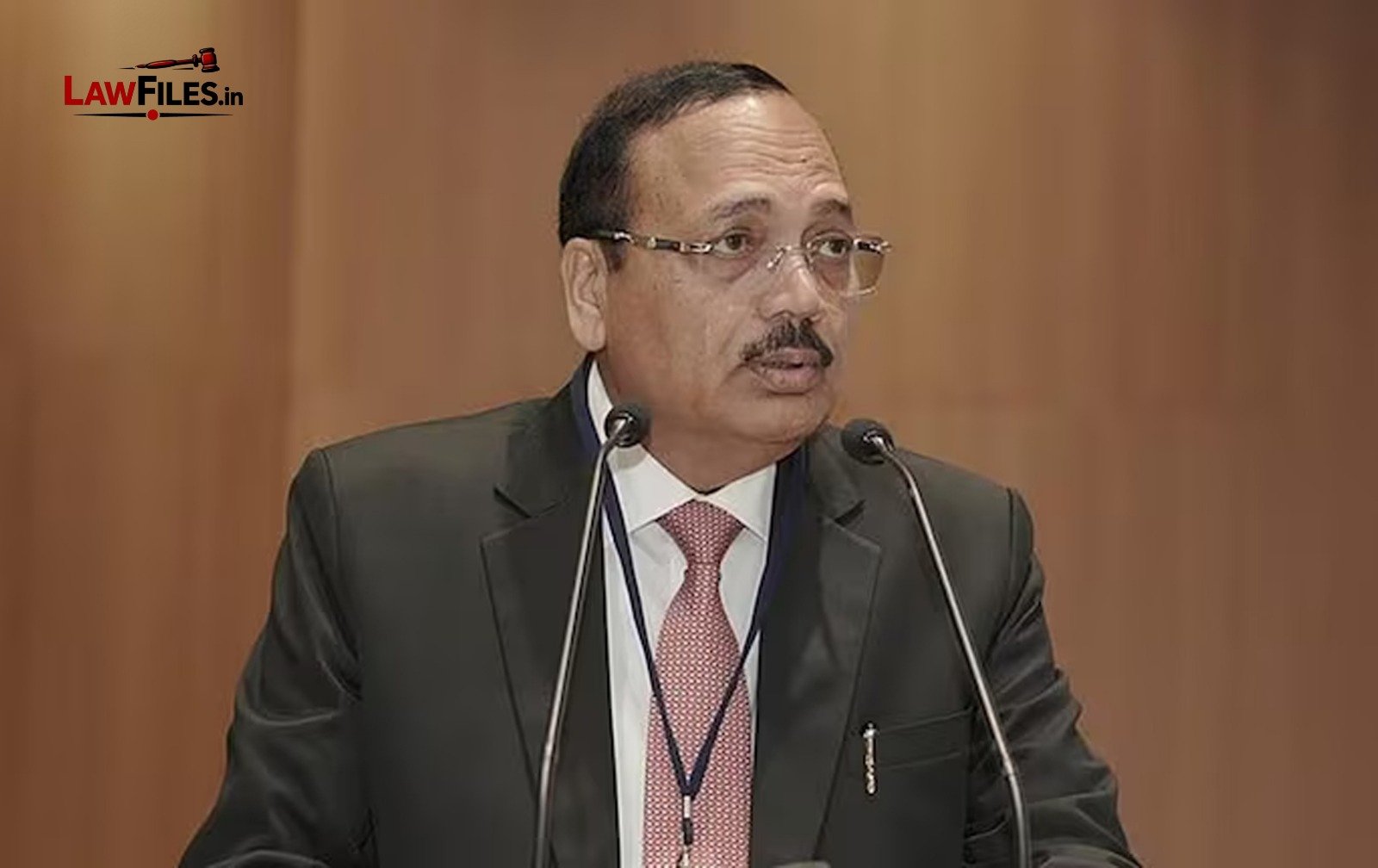
    The committee will be chaired by Supreme Court judge Justice Aravind Kumar and includes Justice Debangsu Basak of the Calcutta High Court, Justice Ashwani Kumar Mishra of the Punjab and Haryana High Court, Justice Somasekhar Sundaresan of the Bombay High Court, and the Director General of the Central Public Works Department (CPWD). The Secretary General of the Supreme Court will function as Member Secretary.

    The composition of the committee itself is institutionally significant. By including judges from multiple High Courts alongside technical infrastructure authorities such as the CPWD, the judiciary appears to be adopting a multidisciplinary approach rather than treating court infrastructure merely as a construction exercise. The inclusion of technologically inclined and reform-oriented judges further suggests that the committee may focus not only on physical expansion but also on digital transformation, accessibility, and systemic efficiency.

    The committee’s mandate is notably expansive. It has been directed to identify infrastructural deficiencies affecting judges, court staff, lawyers, litigants, and visitors while also recommending technological systems capable of accelerating information exchange and reducing delays in case disposal. The panel will additionally examine computerisation under the e-Courts project, citizen-centric digital services, modern court complexes, and measures aimed at bridging India’s widening digital divide in access to justice.

    The timing of the initiative is particularly important because India’s judicial crisis has increasingly become an infrastructural crisis as much as a legal one. The country continues to struggle with enormous case pendency across trial courts, High Courts, and the Supreme Court. Yet discussions on judicial reform have often focused disproportionately on judge appointments while neglecting the institutional ecosystem necessary for effective adjudication. Courtrooms remain overcrowded, records are poorly digitised, judges frequently lack adequate staff support, and litigants often confront deeply inaccessible court environments.

    The infrastructure deficit becomes even more severe in subordinate courts, where the overwhelming majority of Indian litigation originates. Reports from several state judiciaries have repeatedly highlighted inadequate court halls, shortage of chambers, poor record management systems, absence of litigant facilities, lack of digital infrastructure, and insufficient accommodation for judicial officers. In many districts, courts continue to function from outdated buildings incapable of supporting contemporary judicial requirements.

    Importantly, the committee’s formation revives broader debates surrounding the long-discussed proposal for a National Judicial Infrastructure Corporation. Former Chief Justice of India N.V. Ramana had repeatedly argued that judicial infrastructure should not remain dependent solely upon state governments because uneven state-level funding creates serious disparities in judicial functioning. Scholars and policy institutions have similarly argued that without a dedicated institutional framework, infrastructure development remains fragmented and inconsistent across the country.

    The current initiative appears to represent a pragmatic institutional step toward addressing those concerns through coordinated planning and central funding support. The proposed ₹40,000–50,000 crore allocation reflects recognition that judicial infrastructure cannot be improved through piecemeal expenditure. Modern courts require integrated investment in physical construction, digital architecture, cybersecurity, data systems, accessibility frameworks, and administrative staffing.

    A particularly noteworthy aspect of the committee’s mandate is its emphasis on citizen-centric services and inclusivity. Traditionally, judicial infrastructure discourse in India focused primarily on judges and courtroom capacity. The present initiative, however, expressly includes litigants and visitors within its framework. This shift reflects evolving understanding that access to justice depends not merely on judicial independence but also on the practical ability of ordinary citizens to navigate the court system.

    This becomes especially relevant in the context of disability access and digital inequality. Several recent judicial infrastructure reports from state High Courts have emphasised the need for tactile pathways, visual and audio accessibility systems, disability-friendly court premises, digital filing support, and integrated online service delivery. The committee’s explicit focus on bridging the digital divide indicates judicial awareness that rapid digitisation without inclusivity may deepen rather than reduce barriers to justice.

    The initiative also intersects with India’s ongoing e-Courts transformation project. The judiciary has increasingly embraced digitisation through virtual hearings, e-filing systems, digital cause lists, and online access to judgments. While the COVID-19 pandemic accelerated technological adoption, implementation has remained uneven across jurisdictions. Many district courts continue to struggle with unreliable internet infrastructure, inadequate hardware, shortage of trained personnel, and inconsistent digital integration.

    Critically analysed, the formation of the committee reflects an important institutional shift in how judicial reform itself is conceptualised. For decades, judicial reform debates in India centred predominantly on legal procedure, case management, and judicial vacancies. The present initiative recognises that structural deficiencies in infrastructure are themselves constitutional concerns because they directly affect timely access to justice under Article 21.

    The move may also indicate the judiciary’s attempt to reposition itself within broader national governance priorities. By engaging directly with the Prime Minister’s Economic Advisory Council through Sanjeev Sanyal, the judiciary appears to be framing court modernisation not as an isolated institutional demand but as essential national infrastructure comparable to transportation, education, or healthcare systems.

    At the same time, the initiative raises important questions regarding implementation and federal coordination. Judicial administration in India operates through a complex relationship between the Union government, state governments, High Courts, and subordinate judiciary. Historically, infrastructure projects have often been delayed by bureaucratic fragmentation, funding disputes, and uneven state capacity. Whether the committee’s recommendations translate into sustained structural transformation will therefore depend upon long-term political commitment and cooperative federalism.

    Another important challenge lies in ensuring that modernisation does not become narrowly technocratic. Judicial infrastructure reform cannot be reduced merely to smart courtrooms and digital dashboards. Questions relating to judicial staffing, working conditions, legal aid accessibility, cybersecurity, archival preservation, and regional inequalities remain equally central. True institutional modernisation requires integrating technology with constitutional values of fairness, accessibility, and procedural justice.

    The committee has reportedly been asked to submit its interim report by August 31, 2026. Given the scale of India’s judicial backlog and infrastructural deficiencies, the recommendations may substantially shape the next phase of judicial administration in the country.

    Ultimately, the formation of the Judicial Infrastructure Advisory Committee represents more than an administrative development. It reflects a deeper constitutional realisation that courts cannot deliver efficient justice while functioning within inadequate institutional environments. The initiative therefore marks an important transition in Indian judicial thinking from viewing infrastructure as peripheral to recognising it as foundational to the legitimacy, accessibility, and effectiveness of the justice delivery system itself.


    CJI Constitutes Judicial Infrastructure Advisory Committee: India’s Courts Enter a New Phase of Institutional Modernisation
    Share. WhatsApp Facebook Twitter Pinterest Email
    Anvita Dwivedi

    Related Posts

    Supreme Court Examines Challenge to Navy Recruitment Rules for Group ‘B’ Non-Gazetted Officers; Notice to Centre Puts Promotional Equality and Service Jurisprudence Under Judicial Scrutiny

    July 11, 2026

    SCBA Condemns Abusive Conduct by Litigant in Supreme Court; Seeks Regulatory Framework for Circulation of Courtroom Videos Amid Growing Debate on Open Justice and Digital Accountability

    July 11, 2026

    Supreme Court Recalibrates the Law on Interim Relief in Arbitration; Judgment Strengthens India’s Pro-Arbitration Framework While Redefining Judicial Intervention

    July 10, 2026
    Add A Comment
    Leave A Reply Cancel Reply

    Demo
    Top Posts

    Digital Forensics Fail to convince Supreme Court: Bail Denied to Gagan Khanna in BNS Assault Case

    June 15, 2026241 Views

    Wrongful Claim Rejection Amounts to Deficiency in Service: Delhi Consumer Commission Holds Star Health Liable

    March 16, 202672 Views

    Bombay High Court Quashes POCSO Case, Directs Accused to Fund MacBook for Victim’s Education

    February 28, 202658 Views

    Supreme Court Quashes FIR Over ‘Improved’ Second Complaint: A Reminder That Criminal Law Cannot Be Built on Shifting Narratives

    June 4, 202654 Views
    Don't Miss

    Delhi High Court Upholds Rajpal Yadav’s Conviction in Cheque Bounce Cases; Ruling Reaffirms Sanctity of Commercial Transactions and the Deterrent Purpose of the Negotiable Instruments Act

    By Anvita DwivediJuly 11, 2026

    In a significant reaffirmation of India’s cheque dishonour jurisprudence, the Delhi High Court has upheld…

    Delayed Payment by Auction Purchaser Under the SARFAESI Act: Supreme Court Reinforces Mandatory Compliance With Auction Timelines; A Landmark Shift in India’s Banking Recovery Jurisprudence

    July 11, 2026

    Anil Ambani Withdraws Bombay High Court Plea Against Bank of Baroda’s Fraud Classification; Case Highlights Evolving Judicial Standards Governing RBI Fraud Tagging Framework

    July 11, 2026

    Supreme Court Examines Challenge to Navy Recruitment Rules for Group ‘B’ Non-Gazetted Officers; Notice to Centre Puts Promotional Equality and Service Jurisprudence Under Judicial Scrutiny

    July 11, 2026
    Stay In Touch
    • Facebook
    • Twitter

    Subscribe to Updates

    Get the latest creative news from SmartMag about art & design.

    Top Posts

    Digital Forensics Fail to convince Supreme Court: Bail Denied to Gagan Khanna in BNS Assault Case

    June 15, 2026241 Views

    Wrongful Claim Rejection Amounts to Deficiency in Service: Delhi Consumer Commission Holds Star Health Liable

    March 16, 202672 Views

    Bombay High Court Quashes POCSO Case, Directs Accused to Fund MacBook for Victim’s Education

    February 28, 202658 Views
    Don't Miss

    Delhi High Court Upholds Rajpal Yadav’s Conviction in Cheque Bounce Cases; Ruling Reaffirms Sanctity of Commercial Transactions and the Deterrent Purpose of the Negotiable Instruments Act

    By Anvita DwivediJuly 11, 2026

    In a significant reaffirmation of India’s cheque dishonour jurisprudence, the Delhi High Court has upheld…

    Delayed Payment by Auction Purchaser Under the SARFAESI Act: Supreme Court Reinforces Mandatory Compliance With Auction Timelines; A Landmark Shift in India’s Banking Recovery Jurisprudence

    July 11, 2026

    Anil Ambani Withdraws Bombay High Court Plea Against Bank of Baroda’s Fraud Classification; Case Highlights Evolving Judicial Standards Governing RBI Fraud Tagging Framework

    July 11, 2026

    Supreme Court Examines Challenge to Navy Recruitment Rules for Group ‘B’ Non-Gazetted Officers; Notice to Centre Puts Promotional Equality and Service Jurisprudence Under Judicial Scrutiny

    July 11, 2026
    Stay In Touch
    • Facebook
    • YouTube
    • TikTok
    • Instagram
    Top Trending
    About Us
    About Us

    LawFiles.in is a comprehensive legal news platform delivering real-time updates from the Supreme Court, High Courts, Tribunals, Corporate and Tax law, Regulators, Politics, Crime, Consumer cases, and Global Affairs.

    Email Us: lawfilesoffical@gmail.com
    Contact: +91 8800026066

    Contact Us:
    India International Centre
    40, Max Mueller Marg
    Lodhi Estate, New Delhi-110003

    Facebook X (Twitter)
    Our Picks

    Delhi High Court Upholds Rajpal Yadav’s Conviction in Cheque Bounce Cases; Ruling Reaffirms Sanctity of Commercial Transactions and the Deterrent Purpose of the Negotiable Instruments Act

    July 11, 2026

    Delayed Payment by Auction Purchaser Under the SARFAESI Act: Supreme Court Reinforces Mandatory Compliance With Auction Timelines; A Landmark Shift in India’s Banking Recovery Jurisprudence

    July 11, 2026

    Anil Ambani Withdraws Bombay High Court Plea Against Bank of Baroda’s Fraud Classification; Case Highlights Evolving Judicial Standards Governing RBI Fraud Tagging Framework

    July 11, 2026

    Supreme Court Examines Challenge to Navy Recruitment Rules for Group ‘B’ Non-Gazetted Officers; Notice to Centre Puts Promotional Equality and Service Jurisprudence Under Judicial Scrutiny

    July 11, 2026

    SCBA Condemns Abusive Conduct by Litigant in Supreme Court; Seeks Regulatory Framework for Circulation of Courtroom Videos Amid Growing Debate on Open Justice and Digital Accountability

    July 11, 2026
    Most Popular

    Madhya Pradesh High Court Examines Plea to Extend NRI Quota to Stray Vacancy Round in Medical Admissions

    February 26, 20260 Views

    Supreme Court Rules Limitation Period Under CrPC Starts When Offender’s Identity Is Known, Not From First Complaint

    February 27, 20260 Views

    Maharashtra State Consumer Commission Slams HP Employees’ Co-operative Credit Society for Enforcing Undisclosed Restriction, Orders Refund with Interest and Compensation

    March 2, 20260 Views

    NCDRC Dismisses Consumer Complaint Filed Nearly a Decade After Possession, Holds Claim Barred by Limitation

    March 2, 20260 Views

    Supreme Court CJI Uses T20 Cricket Analogy to Stress Importance of Specialization in Legal Practice

    March 2, 20260 Views
    © 2026 LawFiles. Owned by Varta24 Media.
    • Articles
    • Careers
    • Corporate
    • Global Affairs
    • Law Firms & Lawyers
    • PILS
    • Regulatory

    Type above and press Enter to search. Press Esc to cancel.