


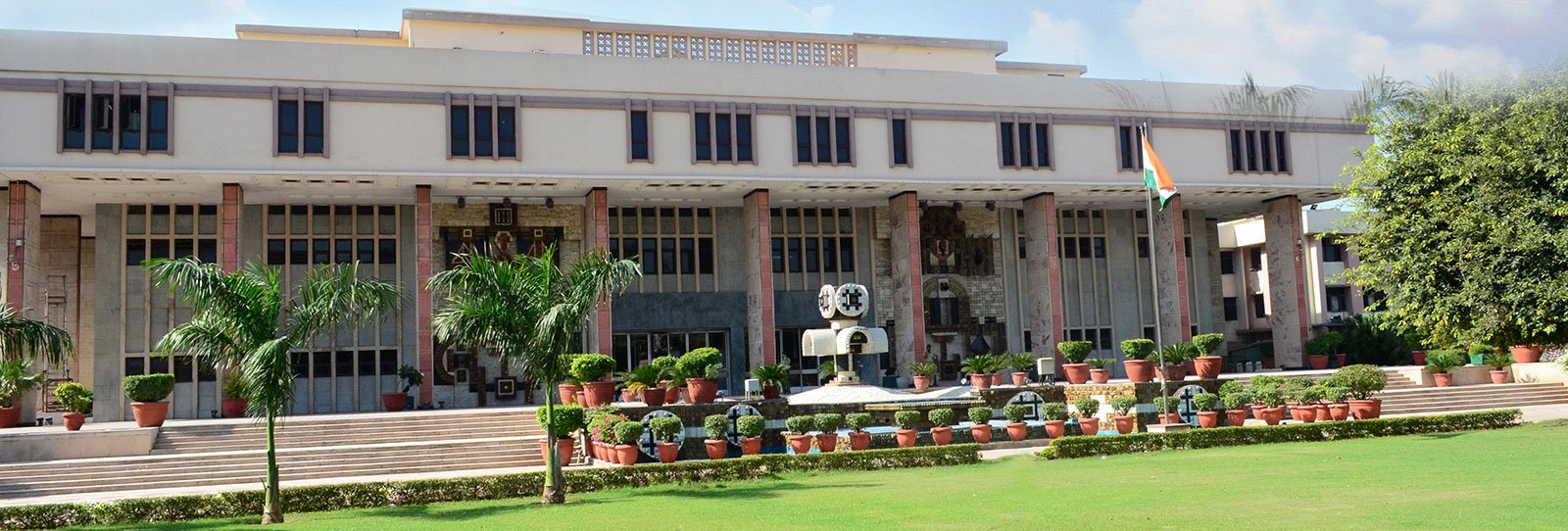
In a recent development arising from protests during the India AI Impact Summit, a Delhi court has granted interim protection from arrest to a designer accused of creating T-shirts used by demonstrators during the event. The order came from the Patiala House Courts, where the accused approached the court seeking anticipatory bail amid an ongoing investigation by the police.
Additional Sessions Judge Amit Bansal of the Patiala House Courts granted interim relief to Umesh Chandra Padala, who allegedly designed the T-shirts worn by protestors at the summit. The case is titled State of Delhi v. Umesh Chandra Padala & Anr. and relates to demonstrations that took place during the India AI Impact Summit in the national capital.
The controversy stems from protests staged during the India AI Impact Summit held at Bharat Mandapam in New Delhi. According to reports, several activists associated with the youth wing of a political party entered the summit venue after registering as participants and later staged a symbolic demonstration inside the exhibition hall.
During the protest, some participants removed their outer clothing to reveal T-shirts bearing political slogans critical of government policies and international trade agreements. The demonstration triggered security concerns at the high-profile event attended by policymakers, industry leaders and international delegates.
Following the incident, the police registered cases against multiple individuals, alleging that the protest disrupted proceedings at the summit and potentially compromised security arrangements.
When Padala approached the court seeking anticipatory bail, the Sessions Court granted him interim protection from arrest while the investigation continues. The court directed the accused to cooperate with the investigation and imposed a condition that police must provide seven days’ prior notice before effecting any arrest.
The court’s order effectively shields the designer from immediate custodial action, ensuring that he can participate in the investigation without facing abrupt arrest.
The protest incident has already led to a series of legal proceedings involving several individuals allegedly linked to the demonstration. In earlier orders, courts had granted bail to multiple activists arrested in connection with the protest, observing that continued pre-trial detention should not become a form of punishment in the absence of clear evidence of violence or damage.
The investigation, however, remains ongoing as authorities examine the circumstances under which the protest was organized and executed inside a venue hosting an international technology summit.
The interim protection granted to the designer reflects the judiciary’s cautious approach in cases involving allegations linked to protests or political expression. Courts have repeatedly emphasized that anticipatory bail and interim protection are intended to safeguard personal liberty while allowing the investigative process to proceed.
While the police continue to probe the planning and coordination behind the summit protest, the court’s order underscores the principle that arrest should not be used as a routine investigative tool when cooperation with authorities can be secured through judicial safeguards.
The matter is expected to return before the court after further investigation, where the question of granting regular anticipatory bail to the accused may be considered.
