


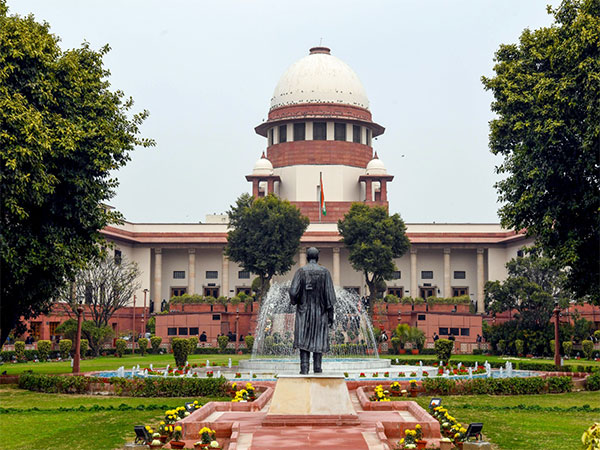
In a sharp rebuke against what it termed a frivolous public interest litigation, the Supreme Court of India dismissed a petition seeking directions to conduct scientific research into whether onions and garlic possess a “tamasic” or negative nature. The Court expressed concern that such litigation could unnecessarily hurt religious sentiments and waste judicial time.
The matter was heard by a bench comprising Surya Kant and Joymalya Bagchi, who strongly criticised the petitioner an advocate appearing in person for filing the petition under Article 32 of the Constitution.
The plea asked the Court to direct authorities to constitute a committee to examine whether onion and garlic have “tamasic” properties, a concept drawn from traditional Indian dietary classifications that associate certain foods with negative or spiritually undesirable effects.
The petitioner argued that the issue was socially relevant and even referred to a reported marital dispute in Gujarat allegedly linked to the consumption of onions in food. However, the Court found the petition vague and lacking any legal basis for invoking constitutional jurisdiction.
Court Questions the Purpose of the Petition
During the hearing, the Chief Justice questioned the motivation behind raising such an issue before the apex court.
He asked the petitioner: “Why do you want to hurt the sentiments of the Jain community?” a reference to the long-standing dietary practices within Jainism that avoid root vegetables such as onion and garlic.
The bench observed that filing petitions on matters rooted in personal beliefs or speculative claims cannot be treated as genuine public interest litigation. Courts, it noted, must remain focused on issues involving constitutional rights, governance failures, or matters affecting the public at large.
Expressing displeasure with the manner in which the petition had been drafted, the Court indicated that such filings burden the already strained judicial system.
The Chief Justice warned the petitioner that if similar petitions were filed in the future, the Court might consider imposing strict consequences. The bench noted that it could have imposed exemplary costs, but refrained from doing so since the petitioner was a member of the legal profession.
The Court also noted that the petitioner had filed several other petitions on unrelated issues, which further reinforced the perception that the litigation lacked seriousness and legal substance.
Along with the plea concerning onions and garlic, the petitioner had filed additional public interest litigations seeking directions on issues such as regulation of harmful substances in alcohol and tobacco, mandatory property registration, and guidelines regarding classical language declarations.
The Court dismissed all the petitions, observing that they were poorly drafted and sought vague or undefined reliefs, making them unsuitable for adjudication under the Court’s constitutional jurisdiction.
The ruling reflects the judiciary’s continuing effort to discourage misuse of the Public Interest Litigation mechanism, which was originally conceived as a tool to advance social justice and protect vulnerable communities. Over the years, the Supreme Court has repeatedly cautioned against filing PILs that lack genuine public interest or raise issues better suited for academic or policy debates.
By dismissing the present plea, the Court reiterated that constitutional courts must not be converted into forums for speculative inquiries or matters based solely on personal beliefs, particularly where such issues may affect religious or cultural sensitivities.
