


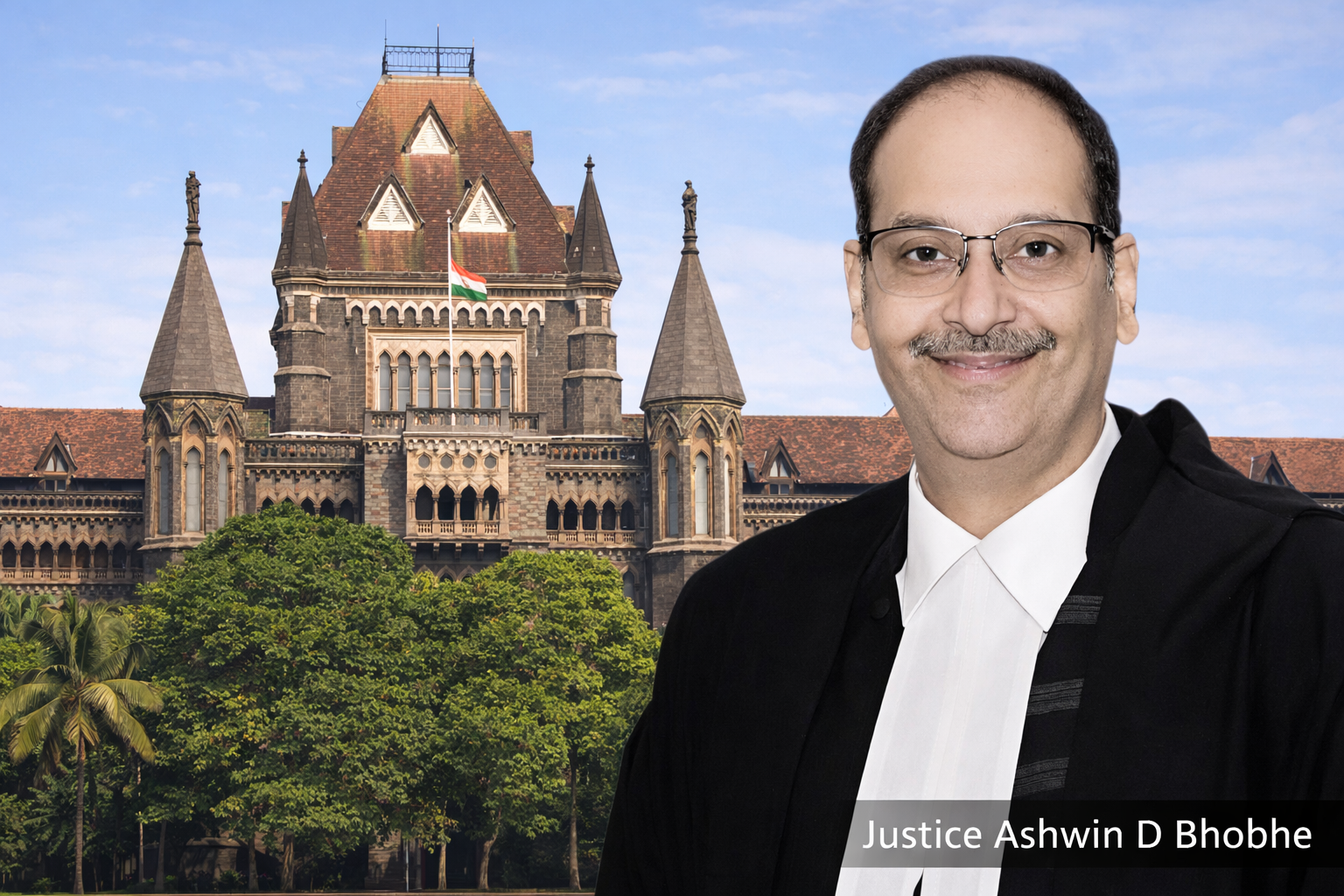
In a noteworthy and unusual turn in child safety litigation, the Bombay High Court has quashed a First Information Report (FIR) and chargesheet against a 52-year-old Pune man filed under the Protection of Children from Sexual Offences Act (POCSO) and the Bharatiya Nyaya Sanhita (BNS), while also directing that funds be used to support the minor victim’s education by purchasing her a laptop.
A single-judge bench of Justice Ashwin D. Bhobe passed the order on 13 February 2026, allowing the man’s petition for quashing after both the victim and her family stated that the complaint arose from a misunderstanding and that they no longer wished to pursue criminal proceedings against him.
The case originated from an FIR registered at the Chaturshrungi Police Station in Pune, where the accused the victim’s maternal uncle was charged with sexual assault and harassment after a family dispute. The prosecution had filed a chargesheet against him over the allegations.
However, during legal proceedings, both the minor (then 17) and her parents expressed that they no longer had any grievance against the uncle, and explicitly reiterated before the High Court that the FIR was filed due to a misunderstanding. They also filed affidavits confirming their position was free and voluntary, with no coercion by any party.
Justice Bhobe found no legal impediment in allowing the quashing of the FIR and the chargesheet, given the consistent statements by the victim and her family that there was no longer any grievance or desire to proceed with the criminal case.
Importantly, the Court also took a cost order of ₹1,50,000 from the accused a condition precedent to quashing and directed that this amount be utilised to procure a MacBook (or equivalent laptop) for the minor to support her academic needs and further studies in consultation with her.
The order further instructs that any balance remaining after purchase should be transferred to the High Court Employees Medical Welfare Fund in Mumbai.
The Bombay High Court’s decision engages with two important themes in criminal jurisprudence: One, Under POCSO, courts have the power to quash criminal proceedings in appropriate cases where continuation of litigation serves no productive purpose and may affect the victim’s well-being particularly when the prosecutrix and her guardians withdraw their objection and there is no continuing public interest in trial. Second,While the Quashing of FIRs under Section 482 of the Code of Criminal Procedure (CrPC)/similar inherent powers primarily prevents abuse of process, the High Court’s direction to apply costs toward a laptop for educational use indicates a restorative justice approach aimed at addressing harm in ways beneficial to the victim’s future.
This type of order combining quashing of proceedings with a directed cost for the benefit of the victim is uncommon in Indian criminal litigation, especially in matters involving sexual offences against minors under POCSO, and reflects judicial sensitivity to both procedural fairness and the broader interests of the victim.
Legal analysts note that the High Court’s approach signals a balancing of; Statutory protections for children under POCSO, the victim’s current autonomous stance and lack of grievance, and Judicial discretion to ensure that costs serve a constructive purpose for the minor’s welfare.
Given that POCSO cases are treated with strictness due to the imperative of child safety, this decision stands out for its nuanced application of quashing principles and for directing beneficial use of costs to empower the victim’s educational prospects.
The judgment is expected to be cited in future petitions involving quashing of protective law cases where the victim’s own stance and interests evolve over time, and where courts seek to ensure both procedural propriety and victim welfare.
