


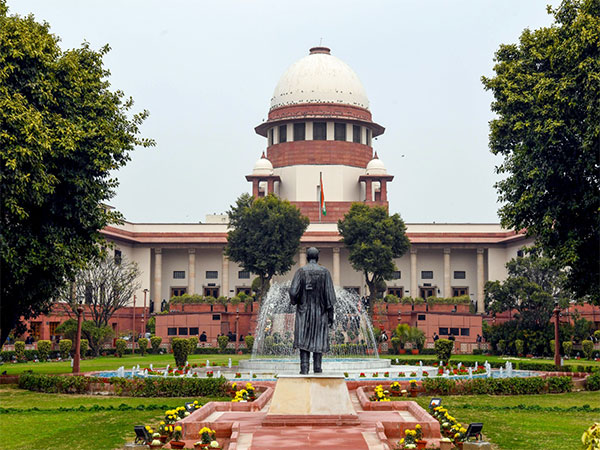
New Delhi, February 25, 2026: The Supreme Court of India on Wednesday granted interim relief to Jharkhand Chief Minister Hemant Soren by staying criminal proceedings initiated against him by the Enforcement Directorate (ED), in a case alleging willful non-compliance with summons issued during a high-profile money-laundering investigation.
A three-judge bench comprising Chief Justice of India Surya Kant, Justice Joymalya Bagchi, and Justice Vipul M. Pancholi passed an interim order keeping in abeyance the criminal complaint proceedings before the Chief Judicial Magistrate, Ranchi, while issuing notice to the ED on Soren’s Special Leave Petition challenging a Jharkhand High Court decision that refused to quash the case.
The criminal proceedings stem from a complaint filed by the ED dated February 19, 2024, alleging that Soren repeatedly failed to appear in response to summonses issued under Section 50(4) of the Prevention of Money Laundering Act (PMLA). These summonses were part of the probe into an alleged land acquisition and money-laundering racket in Ranchi’s Baragain area, where the ED claims documents were recovered indicating that approximately 8.86 acres of land were in Soren’s possession as proceeds of crime.
According to the agency, the ED issued multiple summons between August 2023 and January 2024, but Soren appeared only on a limited number of occasions, prompting the complaint under the PMLA and Sections 63(4) of the Act read with Section 174 of the Indian Penal Code (IPC) for disobedience of summons by a public servant.
Soren was arrested by the ED on January 31, 2024, but later granted bail by the Jharkhand High Court on June 28, 2024. He subsequently regained the position of Chief Minister after his party, the Jharkhand Mukti Morcha (JMM)-led alliance won state elections later that year.
Soren approached the Supreme Court after the High Court declined to quash the criminal complaint, holding that whether he was legally obliged to appear in person was a question of fact to be decided at trial. The apex court’s interim order halts all further trial activity in the matter pending further orders, and it has directed the ED to file a counter-affidavit within four weeks, with Soren to file any rejoinder thereafter.
During the hearing, senior counsel for Soren emphasised that he had complied with summons where possible and that the complaint was maliciously filed. The ED’s counsel insisted that Soren’s failure to respond to numerous summons hindered the investigation.
Notably, Chief Justice Kant admonished the ED in court, observing that the agency had filed “bulk complaints” and urged it to prioritise effective prosecution in serious matters, hinting that the purpose of the specific summons prosecution had largely been served.
The Supreme Court’s stay does not quash the underlying case; it merely suspends active proceedings while legal challenges are adjudicated. This means the trial remains pending, and the special court in Ranchi cannot proceed with hearings until further orders.
The order comes amid ongoing tensions between central investigative agencies and regional political leadership in India. Critics of the ED’s approach argue that overzealous prosecution can verge into harassment of political figures, while proponents contend that enforcing compliance with lawful summons is fundamental to the integrity of money-laundering investigations. The Supreme Court’s interim relief reflects judicial caution in balancing enforcement interests against the rights of an accused, especially a sitting elected head of a state.
As the matter unfolds, the court’s eventual decision on Soren’s plea could shape legal boundaries around compliance with investigative summons and the powers of federal agencies issues central to the rule of law and federal balance in India.
