


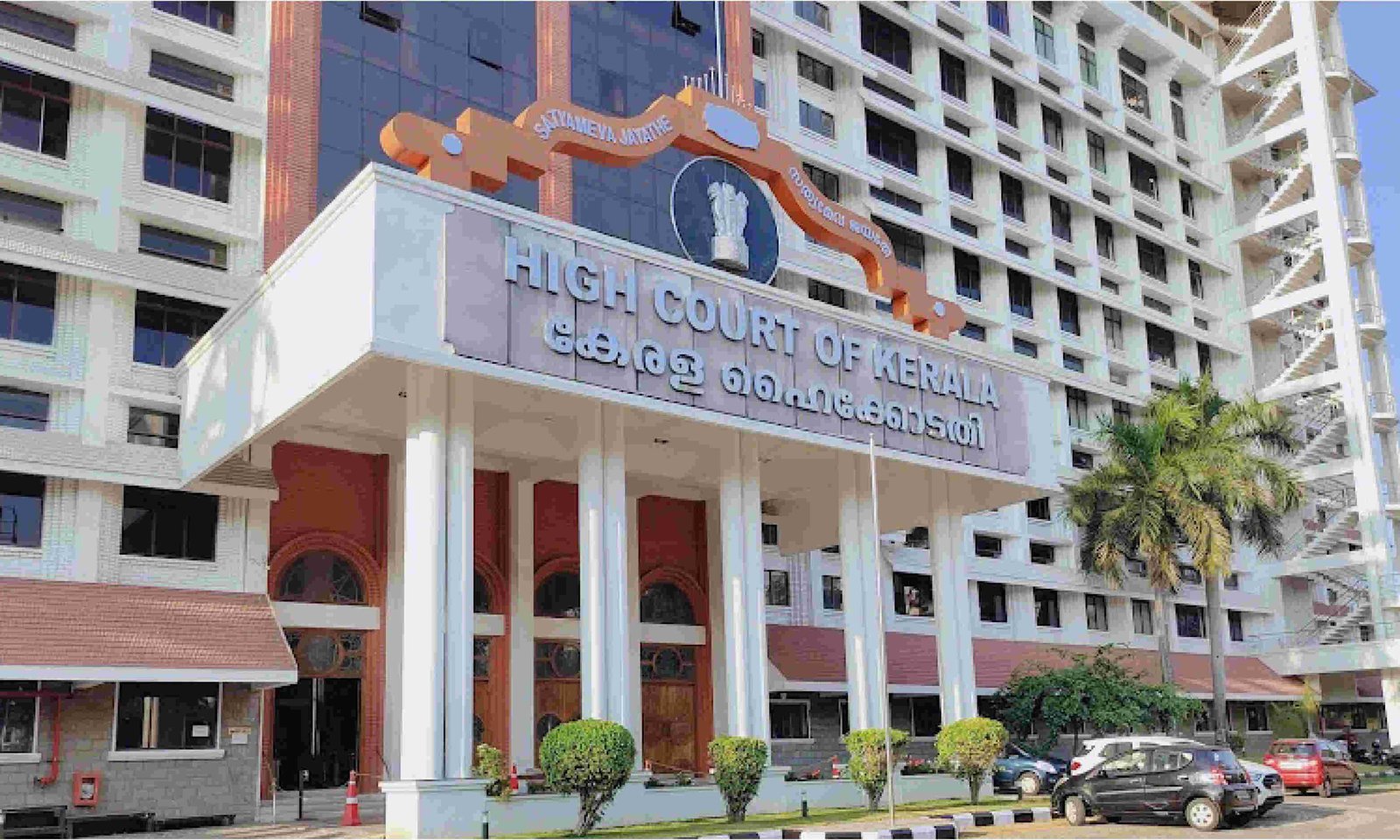
Overview
The Kerala High Court has ruled that the Admission Supervisory Committee for Medical Education, a statutory body exercising quasi-judicial powers, cannot maintain a writ appeal against a judgment that sets aside its own orders. The Court held that such a body cannot be treated as an “aggrieved person” under law.
Key Findings Of The Court
1. Quasi-Judicial Authority Not An ‘Aggrieved Person’
A statutory authority performing adjudicatory functions cannot challenge a superior court’s order overturning its decision.
-
The Admission Supervisory Committee exercises powers akin to a civil court under the Kerala Medical Education (Regulation and Control of Admission to Private Medical Educational Institutions) Act, 2017.
-
Its role is to adjudicate disputes, not to litigate in defence of its own orders.
2. Appeal Lies Only To Affected Parties, Not The Decision-Maker
Section 12 of the 2017 Act provides an appellate remedy only to persons aggrieved by the Committee’s decision — not to the Committee itself.
-
The beneficiary or adversely affected party is always a third party, such as a candidate or institution.
-
The Committee, being the decision-maker, cannot claim personal grievance.
3. Judicial Discipline Bars Authorities From Defending Their Own Orders
Allowing quasi-judicial bodies to file appeals would undermine judicial discipline and neutrality.
-
Courts have consistently held that adjudicating authorities must not:
-
Support their own decisions before appellate forums, or
-
Challenge orders passed by superior courts.
-
-
Permitting such appeals would create an “anomalous situation”, leading to routine litigation by authorities against adverse judgments.
4. Mere Arraying As A Respondent Does Not Confer Right To Appeal
Being made a respondent in a writ petition does not automatically grant the authority the status of an aggrieved party.
-
The Committee’s participation was only in its official capacity as the decision-maker.
-
This does not translate into a substantive right to file an appeal.
Case Background (Brief)
-
A NEET (UG)–2023 candidate secured admission to a BAMS course under the OBC category.
-
His caste status as “Hindu Chakkala Nair” was clarified through official certification and Gazette notification.
-
The Admission Supervisory Committee disapproved and cancelled the admission.
-
A Single Judge of the High Court set aside the Committee’s orders and upheld the candidate’s eligibility.
-
The Committee challenged this decision by filing a writ appeal.
Final Outcome
🚫 Writ Appeal Dismissed As Not Maintainable
The Division Bench held that:
-
The Admission Supervisory Committee lacked locus standi to file the appeal.
-
The appeal was dismissed without examining the merits of the admission dispute.
