


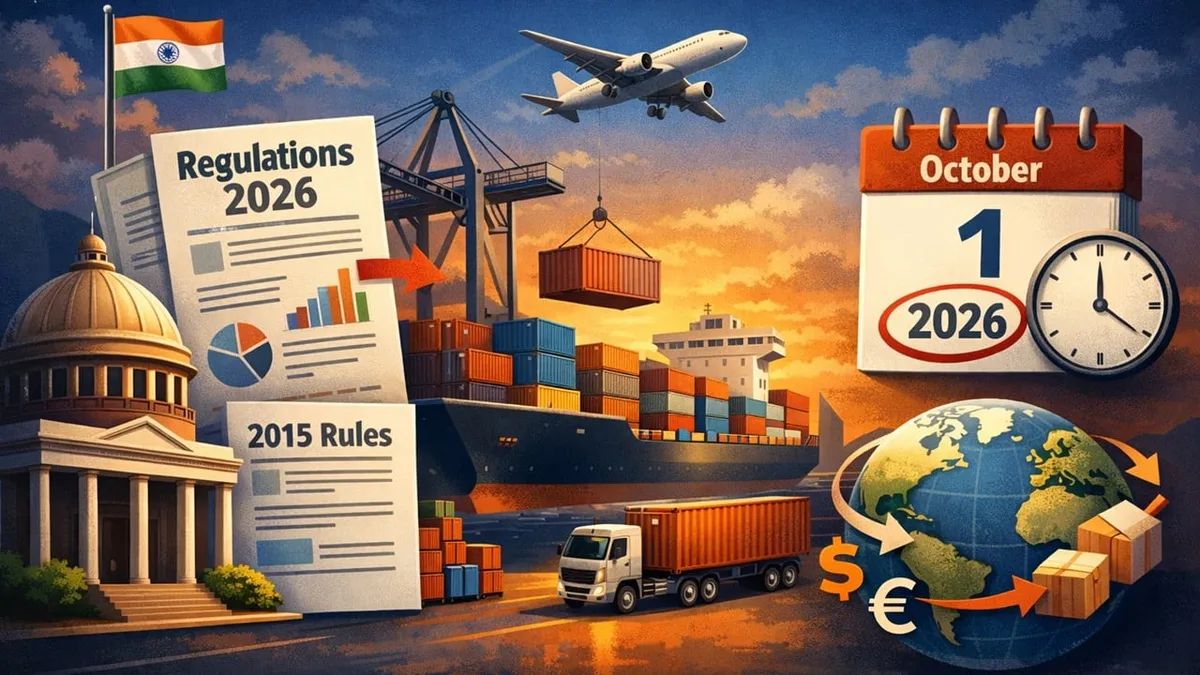
Until now, service exports from India (other than software) have largely remained outside the scope of EDF/SOFTEX filings and detailed FEMA compliances. Even software exporters, though subject to SOFTEX, have generally ensured timely realisation of export proceeds because GST refunds are directly linked to such realisations.
Failure to realise export proceeds within the prescribed time exposes exporters to GST liability along with interest under Rule 96A of the CGST Rules.
What Is Changing Under The New FEMA Framework
1. Shift From Relaxed Oversight To Structured Compliance
The new FEMA compliance framework signals a move towards closer monitoring of service exports.
-
Service exporters may now be required to:
-
Report export transactions more comprehensively
-
Track timelines for realisation of export proceeds
-
Maintain stronger documentary trails for remittances
-
2. Increased Emphasis On Timely Realisation Of Export Proceeds
Realisation of export proceeds is set to become the central compliance trigger.
-
Delays or failures in realisation could lead to:
-
FEMA contraventions
-
Penalties under foreign exchange regulations
-
Continued GST exposure and interest liability
-
3. Alignment Between FEMA And GST Enforcement
The framework strengthens coordination between FEMA and GST laws.
-
Exporters already face GST recovery if proceeds are not realised
-
FEMA compliance will now add an additional regulatory layer, increasing financial and legal exposure
4. Wider Coverage Of Service Exporters
The framework is expected to impact:
-
Consulting and professional service providers
-
Engineering, design and creative services
-
IT-enabled services (beyond pure software exports)
Service exporters who were earlier outside regular FEMA reporting will now need to reassess their compliance posture.
Key Implications For Exporters
🔹 Higher Compliance Burden – Increased reporting and documentation
🔹 Stricter Monitoring – Banks and regulators likely to scrutinise inward remittances
🔹 Financial Risk – Penalties under FEMA in addition to GST recovery
🔹 Need For Process Overhaul – Export contracts, invoicing, and remittance tracking must be streamlined
Conclusion
The new FEMA compliance framework marks a decisive policy shift from trust-based regulation to structured oversight of service exports. While it aims to improve foreign exchange monitoring and discipline, it also raises compliance costs and risks for service exporters.
Exporters must proactively review their FEMA, GST, and banking processes to avoid regulatory exposure under the new regime.
